
Why No Interviews? The Real Reason You're Not Getting Interviews
Discover why no interviews are coming your way and what's really holding you back. Learn proven strategies beyond résumé fixes to land more interviews.
Introduction
You've sent out dozens of applications. Your résumé looks polished. You've tweaked the bullet points, adjusted the formatting, and triple-checked for typos. Yet the silence continues.
When applications disappear into the void, the instinct is to blame the résumé. You rewrite it again, try a new template, maybe pay for another review. But if you're still not getting interviews after multiple résumé overhauls, the document itself probably isn't the primary problem. The real barriers often sit upstream or downstream of that PDF—in how you're found, how you're filtered, and whether you're even reaching the right opportunities.
This isn't about perfecting fonts or adding one more keyword. It's about diagnosing the actual breakpoints in your job search system. Many capable candidates remain invisible not because their experience is weak, but because they're applying through channels that were never designed to surface them. Others pass the automated filters but fail to trigger the personal referrals or follow-ups that convert applications into conversations. Still others target roles where the job description and their background speak different languages, ensuring rejection regardless of résumé quality.
The good news: once you identify where the process is actually failing, the fixes are concrete and measurable. You can test whether an ATS-friendly résumé format changes your response rate, whether direct outreach bypasses the black hole, or whether narrowing your search increases relevance enough to move the needle. The mystery dissolves when you treat your job search as a system with identifiable failure points rather than a referendum on your résumé's worthiness.
What follows is a structured breakdown of the real reasons applications stall, the diagnostic questions that reveal your specific bottleneck, and the targeted interventions that get you in front of decision-makers. If you've been stuck in the résumé-revision loop, this is your exit ramp.
Why You're Not Getting Interviews: Common Barriers
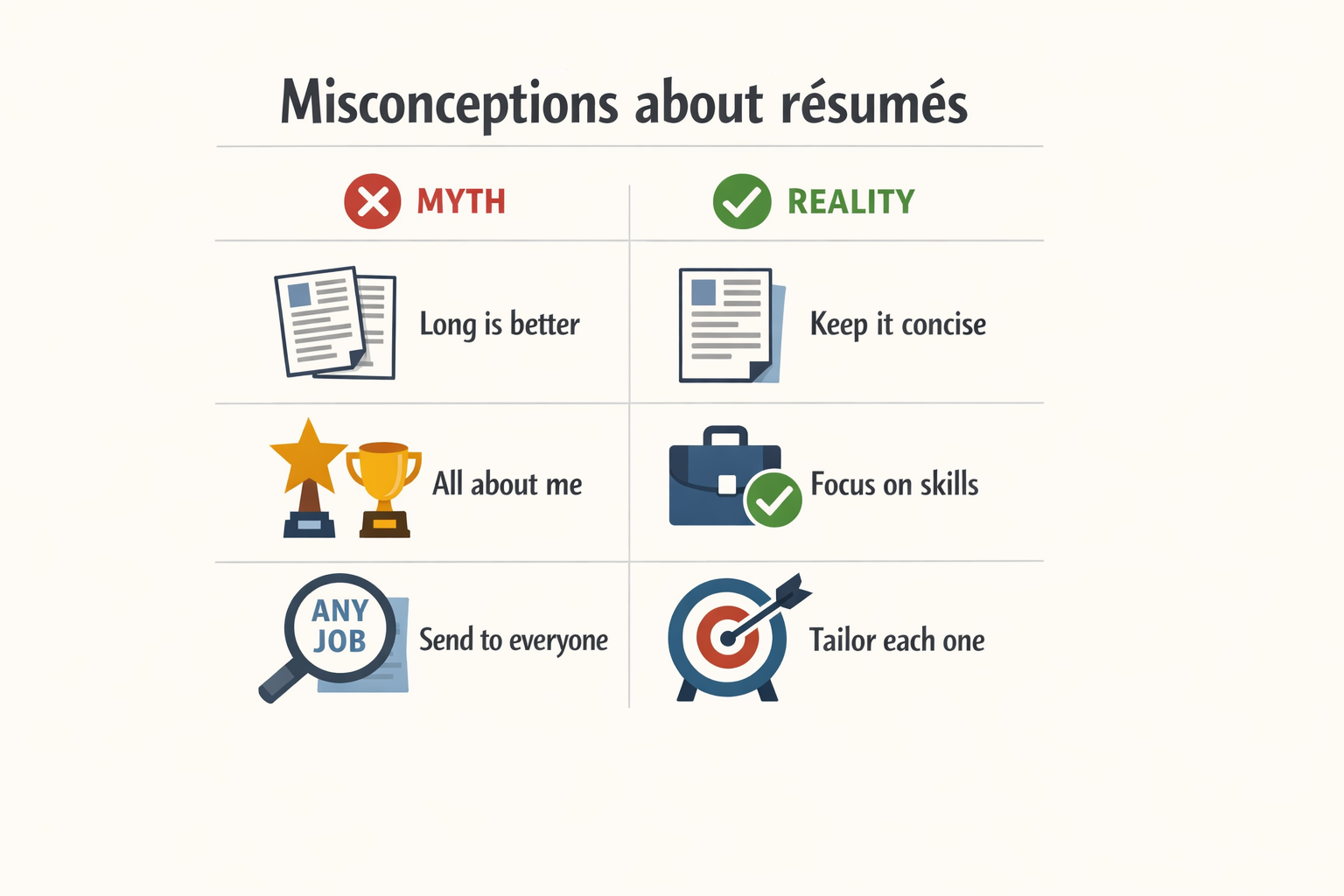
You've sent out dozens of applications. Maybe hundreds. You meet the qualifications listed in every job posting. You've had friends review your résumé, and they all say it looks fine. Yet the interview invitations never arrive, and you're left wondering what's going wrong.
The frustrating truth is that most job seekers approach their search with a set of beliefs about what works — and many of those beliefs are simply incorrect. These misconceptions keep qualified candidates stuck in a cycle of applying and waiting, never understanding why their applications disappear into the void.
The Résumé Misconception
The most common problem is also the most invisible: your résumé probably doesn't show what you've accomplished. Most résumés list job duties — processed transactions, filled customer requests, managed schedules. That tells a hiring manager what jobs you've held, but it reveals nothing about how well you performed in those roles.
Hiring managers don't care much that you held a string of jobs. They care what you achieved there. The candidates getting interviews list outcomes: increased web traffic by a specific percentage, earned recognition for customer service excellence, or streamlined a process that saved time. If your résumé doesn't include these kinds of achievements, that's likely the first barrier standing between you and an interview.
The Qualification Trap
Many job seekers believe that meeting the requirements listed in a job ad is sufficient to secure an interview. It's a logical assumption — the employer listed qualifications, you have them, so you should get a call. But when dozens or even hundreds of applicants meet those same qualifications, the employer can't interview everyone.
Successful applicants go far beyond simply checking boxes. They write engaging cover letters explaining why they're interested in the specific role and why they'd excel at it. They have compelling résumés that demonstrate past success, not just past presence. They stand out as thoughtful, responsible, and genuinely enthusiastic about the opportunity. If your application materials don't convey these qualities, you're competing with one hand tied behind your back.
For guidance on what actually catches a recruiter's eye, see our detailed breakdown of ATS Résumé Format: What Recruiters Actually Look For.
The Feedback Problem
Here's an uncomfortable reality: the people who tell you your résumé looks fine may not know what a truly strong résumé looks like. Friends, family members, even some career counselors lack the hiring experience to distinguish between a passable résumé and one that compels action. As a result, job seekers continue applying with mediocre materials, convinced the problem must be somewhere else.
The gap between "this looks fine" and "this gets interviews" is wider than most job seekers realize — and it's costing them opportunities every day.
Hidden Barriers Beyond the Résumé
While résumé quality is the primary culprit, other factors compound the problem. Employment gaps, even brief ones, raise red flags for many employers. Applying for positions that seem like a step down from your previous role can trigger concerns about overqualification — employers worry you'll leave as soon as something better comes along, so they discard your application before you get a chance to explain your reasoning.
The job market itself presents challenges. For popular positions like administrative roles or office management, there are often far more qualified applicants than openings. In that environment, even small weaknesses in your application materials become disqualifying.
The Core Issue
The thread connecting all these problems is the same: most job seekers don't realize their application materials aren't working. They assume that because they're qualified and their résumé looks professional, the system should respond. But hiring managers are looking for evidence of excellence, not just competence. They're searching for signals that you'll thrive in the role, not just survive in it.
Until you understand what those signals look like and how to demonstrate them in your résumé and cover letter, the interview invitations will remain scarce — no matter how qualified you actually are for the work.
Solution Steps to Improve Your Interview Chances
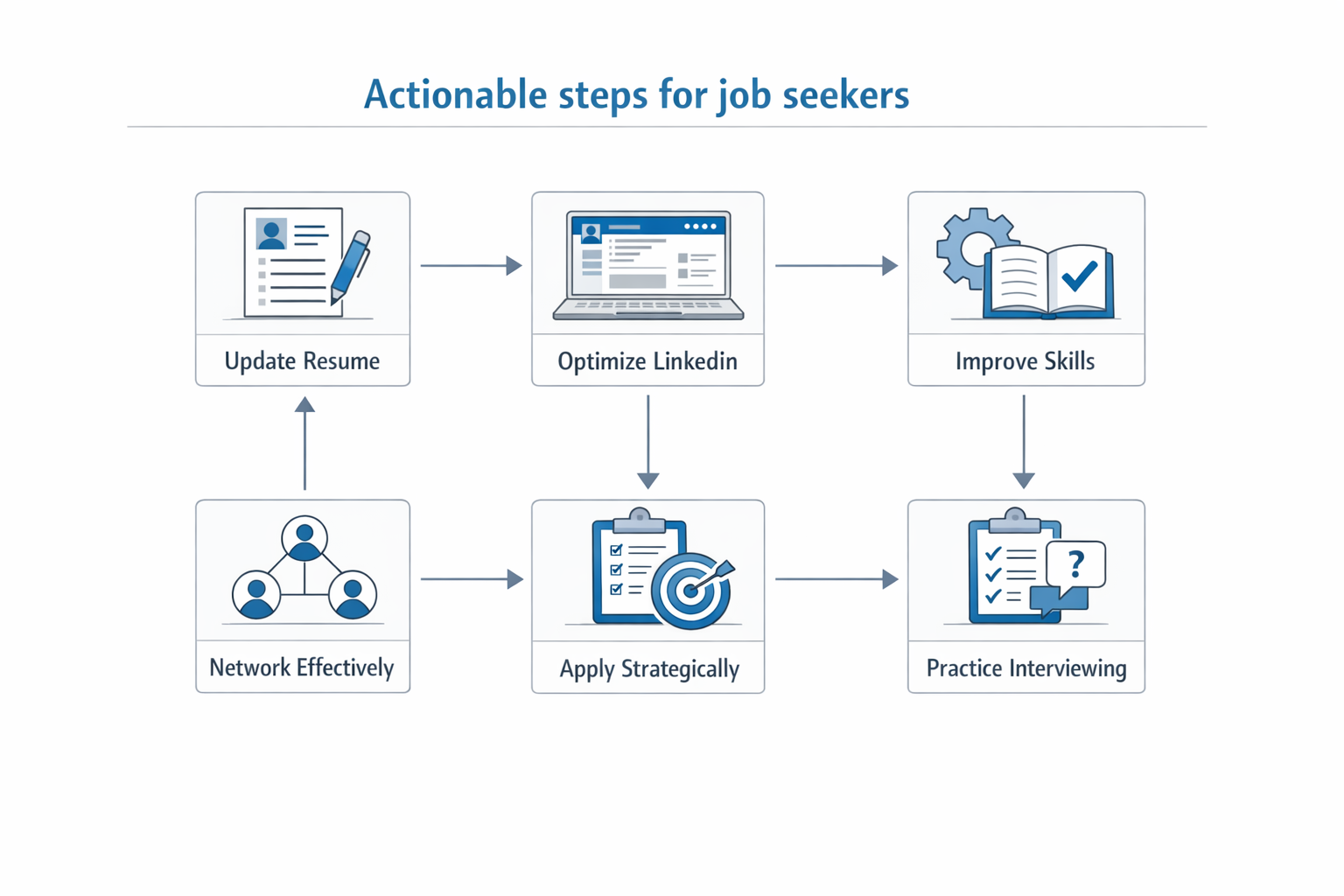
If you're not getting interviews, the path forward requires more than tweaking your résumé font or adding keywords. The candidates who land interviews take deliberate steps that go beyond meeting basic qualifications. Here's how to position yourself as someone hiring managers want to meet.
Transform Your Résumé from Duties to Achievements
Step 1
Audit every bullet point for impact
Review your current résumé and identify any line that simply describes what you did—like "processed customer orders" or "managed social media accounts." These duty-based statements tell employers nothing about how well you performed. Replace each one with a specific achievement: "increased order accuracy to 99.2 percent over six months" or "grew Instagram engagement by 40 percent in one quarter." Hiring managers care what you accomplished, not just what jobs you held.
Step 2
Quantify results wherever possible
Numbers make achievements concrete. When you can attach metrics to your work—revenue increased, costs reduced, projects delivered ahead of schedule—you give hiring managers proof of your capabilities. Even if your role doesn't seem numbers-driven, look for volume handled, timelines met, or recognition received. A receptionist who notes "managed 200+ daily visitor check-ins while maintaining zero security incidents" stands out more than one who lists "greeted visitors."
Craft Cover Letters That Explain Why You're Interested
Step 3
Write engaging, specific cover letters
Successful applicants go far beyond simply meeting the qualifications listed in a job posting. When dozens or hundreds of candidates meet the basic requirements, employers can't interview everyone—so they prioritize those who demonstrate genuine interest and explain why they'd excel in the role. Your cover letter should answer two questions: why this specific job appeals to you, and what makes you particularly well-suited for it. Generic enthusiasm doesn't differentiate you; specific examples of past work that aligns with the role's challenges do.
Rethink Your Approach to Qualifications
Many job seekers believe that meeting every requirement in a job posting guarantees an interview. The reality is harsher: meeting qualifications is the starting line, not the finish. When you're competing against candidates who also meet those requirements and have compelling narratives about their accomplishments, a checklist approach falls short. Focus less on ticking boxes and more on demonstrating that you'll excel at the work.
For roles where you're genuinely qualified, make sure your application materials reflect not just competence but excellence. If you're applying to positions that require ATS-friendly formatting, ensure your résumé passes initial screening—but remember that getting past the software is only the first hurdle.
Test Your Interview Skills Before They Matter
Step 4
Conduct mock interviews with experienced feedback
Even if you're not yet getting interviews, prepare as though one is imminent. Ask someone with hiring experience—ideally a manager who's conducted interviews themselves—to run a practice session with you. This person needs to be blunt and insightful, not just supportive. You want honest feedback on how you're coming across, whether your answers demonstrate why you'd excel at the job, and if any habits (nervous laughter, rambling answers, defensive body language) could undermine your candidacy.
The candidates who land interviews don't just meet qualifications—they write materials that make hiring managers think, "I need to talk to this person."
Verify Your References Won't Sabotage You
Even at the pre-interview stage, it's worth ensuring your references are solid. Some employers check references earlier in the process than you might expect. Have a trusted contact call your references as though conducting a reference check and report back on what's actually being said. If you discover a problem reference, consider reaching out to negotiate a more neutral assessment or replace that reference with someone more reliably positive.
Tips and Tricks for Job Seekers
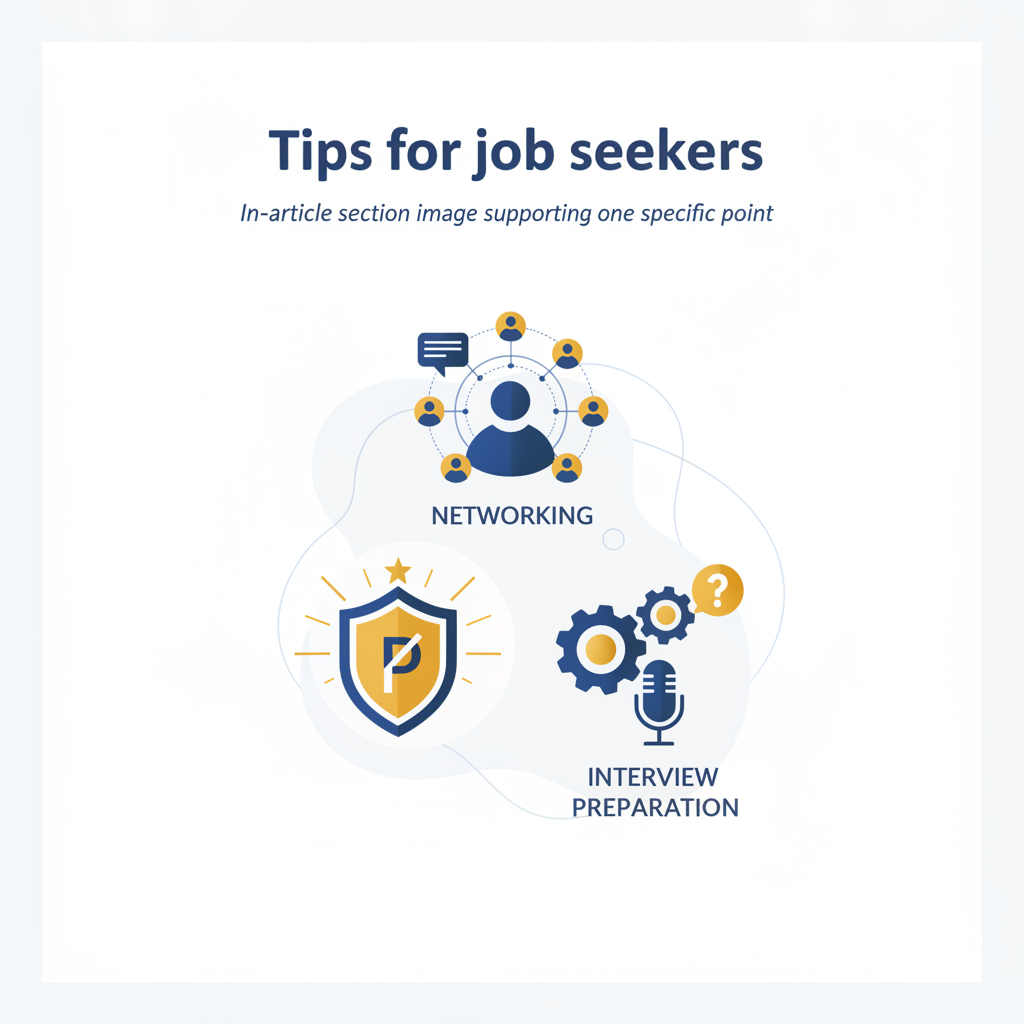
Beyond the core strategies already covered, there are several lesser-known tactics that can give you an edge in your job search. These tips address common blind spots that job seekers often overlook.
Verify Your References Before Employers Do
Your references might be sabotaging your chances without you knowing. Even people you trust can give lukewarm assessments or inadvertently share information that raises red flags.
If you discover a reference is problematic, reach out to them directly. Sometimes a candid conversation can help you negotiate a more neutral assessment, or you may need to replace them with a stronger advocate.
Read What Interviewers Read
Most job seekers only consume advice written for candidates. Flip the script by reading interviewing guides and training materials designed for hiring managers. This gives you insight into what interviewers are trained to look for, why they ask certain questions, and what red flags they're screening for.
Understanding the interviewer's perspective helps you anticipate their concerns and frame your answers more strategically. You'll recognize behavioral question patterns and know which competencies they're trying to assess.
Activate Your Network Strategically
Relying solely on online job postings puts you in direct competition with hundreds of other applicants. Having someone in your network connect you to an opening can be the boost that sets you apart from the pack.
A warm introduction from a trusted contact moves your application from the bottom of the pile to the top of the interview list.
Don't just broadcast your job search on social media. Reach out to specific contacts with targeted requests. Let them know what roles you're pursuing and ask if they know anyone in those companies or industries. The more specific your ask, the easier it is for people to help you.
For specialized roles, understanding the technical expectations is crucial. A software engineer resume requires different optimization than other positions, and knowing those nuances helps you position yourself more effectively. Similarly, receptionist positions demand different proof points than technical roles.
Manage Your Emotional State
Desperation and frustration are interview killers. If you've been searching for months without success, those feelings are understandable — but if they come across in interviews, they can be the kiss of death for job offers.
Interviewers pick up on negativity, whether it's in your tone, your body language, or the way you talk about previous employers. If you know you're radiating frustration, consider taking a brief break from your search to reset emotionally. Return to interviewing when you can project confidence and enthusiasm again.
Conduct Mock Interviews with Honest Feedback
You might think your interview skills are solid, but self-assessment is notoriously unreliable. Have someone with hiring experience conduct a mock interview and give you brutally honest feedback on how you're coming across.
The ideal person is someone who has done significant hiring themselves. They can spot subtle issues like talking too much, not providing concrete examples, or failing to connect your experience to the role's requirements. Even if you can't find a hiring manager, anyone who's blunt and insightful can help you identify blind spots.
Avoid Gimmicks and Desperation Moves
When job seekers feel desperate, they often resort to gimmicks: sending gifts to interviewers, creating elaborate presentations for roles that don't require them, or calling employers multiple times to "show interest." These tactics almost never work and frequently backfire.
Stick to professional norms. Follow up once after an interview with a thank-you email. If you don't hear back within the stated timeline, one polite check-in is acceptable. Beyond that, you risk damaging your candidacy.
FAQ
What does it mean when you're not getting interviews despite meeting job requirements?
Meeting the basic qualifications is only the starting point. Employers receive dozens or hundreds of applications from qualified candidates, so they prioritize those who demonstrate excellence through achievements, compelling cover letters, and materials that show genuine interest in the specific role. If you're not getting interviews, your application likely isn't standing out from the qualified pool.
How can I tell if my résumé is the reason I'm not getting interviews?
If your résumé lists job duties rather than specific achievements with measurable outcomes, that's likely the problem. Have someone with actual hiring experience review it—not just friends or family who may lack the expertise to spot the difference between a passable résumé and one that compels action.
What are the most common mistakes that prevent candidates from getting interviews?
The three most common mistakes are: listing duties instead of achievements on your résumé, writing generic cover letters that don't explain your specific interest in the role, and relying solely on online applications without leveraging your network for warm introductions.
How important is networking when you're not getting interviews through applications?
Networking is critical. A warm introduction from someone in your network can move your application from the bottom of a pile to the top of the interview list. Many positions are filled through referrals before they're even publicly posted, so activating your network strategically gives you access to opportunities you'd otherwise miss.
Conclusion
If you're not getting interviews, the answer rarely lies in one single fix. Throughout this guide, we've examined the real culprits: application tracking systems that filter on keywords and format, networking gaps that leave you invisible to hiring managers, misaligned applications that ignore what the job posting actually asks for, and follow-up strategies that either don't exist or come across as pushy. Each of these factors compounds the others, and addressing your résumé alone won't move the needle if the rest of your approach stays the same.
The good news is that you now have a roadmap. Start by auditing your résumé against the job descriptions you're targeting—ensure your keywords, formatting, and accomplishments align with what ATS systems and human reviewers expect. Then expand your efforts beyond the application button: reach out to people in your target companies, engage authentically on professional platforms, and tailor every cover letter and follow-up message to the specific role. These steps take more time than batch-applying to dozens of postings, but they produce measurably better results.
Remember that job searching is a process of iteration. Track what works, refine what doesn't, and stay consistent. If you're still unsure whether your résumé is passing initial screens, review ATS Résumé Format: What Recruiters Actually Look For to confirm your formatting and keyword strategy are on target. With the right combination of technical preparation and proactive outreach, you'll see your interview rate climb—and that's when the real work of landing the offer begins.
Sources(38)
- Ask a Manager (2012)
- interviewing.io (2025)
- Ask a Manager (2019)
- Ask a Manager (2016)
- Ask a Manager (2023)
- Ask a Manager (2020)
- Ask a Manager (2012)
- Ask a Manager (2025)
- Zenodo (CERN European Organization for Nuclear Research) (2026)
- Zenodo (CERN European Organization for Nuclear Research) (2026)
- Ask a Manager (2011)
- Ask a Manager (2012)
- Ask a Manager (2017)
- Ask a Manager (2012)
- Ask a Manager (2012)
- Ask a Manager (2012)
- Ask a Manager (2014)
- Ask a Manager (2012)
- Ask a Manager (2012)
- Ask a Manager (2012)
- Ask a Manager (2015)
- Ask a Manager (2011)
- Ask a Manager (2014)
- International Journal of Selection and Assessment (2024)
- Revelio Labs (2024)
- interviewing.io (2016)
- The International Journal of Human Resource Management (2019)
- Psychological Bulletin (1979)
- Ask a Manager (2012)
- Ask a Manager (2012)
- Ask a Manager (2014)
- Ask a Manager (2011)
- Ask a Manager (2012)
- Ask a Manager (2018)
- Ask a Manager (2011)
- Ask a Manager (2012)
- Ask a Manager (2014)
- Ask a Manager (2023)
Written by
Resume Coach Team
Published November 4, 2026 · 12 min read
Want this kind of read on your résumé?
We'll tell you what's actually working, what's holding you back, and what to fix — in plain English.
Get My Job Match ScoreYou Might Also Like
More articles to help you advance your career