



Job Search Truth: 7 Resume Industry Secrets Job Seekers Need to Know
Discover the job search truth and 7 resume industry secrets that can transform your job search. Learn the tough truths about crafting applications that actually work.
Introduction
The job search process is riddled with well-intentioned advice that often misses the mark. As part of the Resume Coach Team, my role involves guiding job seekers through the often opaque world of resume writing and job applications, and one of the most significant challenges is confronting the harsh realities that the resume industry rarely discusses openly. The truth is that much of the conventional wisdom circulating about resumes creates a harmful cycle where candidates spend countless hours perfecting bullet points while neglecting the activities that actually lead to job offers.
Resume conventions have changed dramatically over the past two decades, yet outdated sources continue to proliferate. Many job seekers rely on advice that insists on including an objective statement or limiting resumes to a single page—guidance that no longer reflects how modern hiring actually works. The reality is that the job market is highly competitive, and standing out requires more than just a well-crafted resume. It demands a strategic approach that acknowledges uncomfortable truths about how hiring decisions are made.
The resume writing cottage industry has grown around the myth that the perfect resume is the golden ticket to employment. This myth persists partly because polishing a resume feels productive and controllable during an intimidating job search. It's easier to retreat into formatting tweaks than to face the harder work of networking and outreach. But understanding what really moves the needle—and what the ATS resume format actually prioritizes—can transform your entire approach.
This article pulls back the curtain on seven resume industry secrets that can make or break your job search. These aren't gentle suggestions—they're tough love insights that challenge the comfortable narratives many job seekers cling to. From the overemphasis on resume formatting to the critical importance of networking, these truths will help you redirect your energy toward strategies that actually work. The following sections break down each secret with practical guidance on how to adjust your approach and compete more effectively in today's job market.
1. Your Resume Is Not the Only Thing That Matters
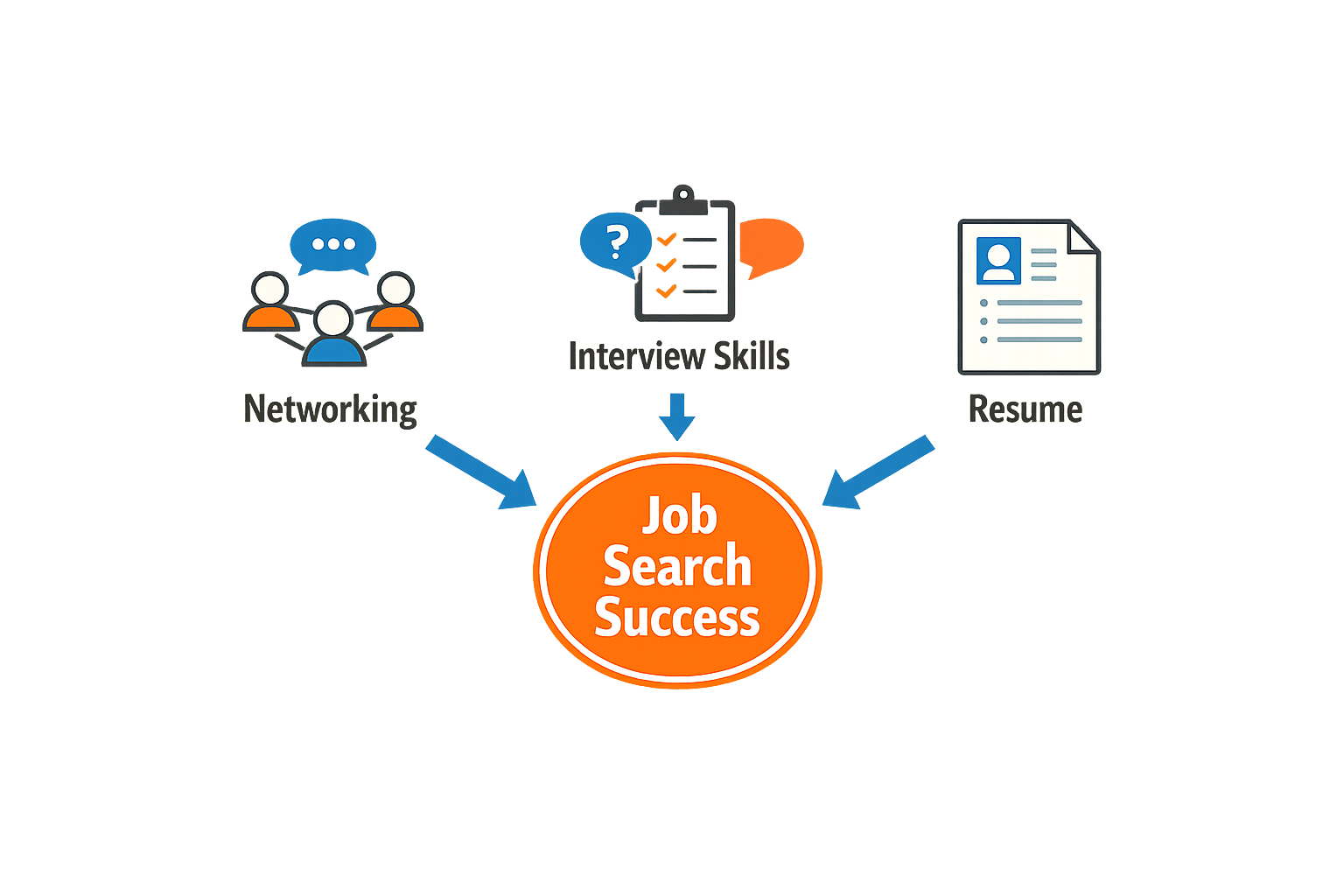
The resume industry has built an entire ecosystem around perfecting your one-page summary, but here's a truth that doesn't sell well: your resume is just one piece of a much larger puzzle. While a polished document opens doors, it won't carry you through the entire hiring process. Employers evaluate you on multiple dimensions—your ability to interview effectively, your professional network, your online presence, and how you present yourself in person all matter just as much, if not more, than what's printed on paper.
The Resume Gets You in the Room, Not the Job
Think of your resume as a ticket to the conversation, not the conversation itself. Once you're sitting across from a hiring manager, your interpersonal skills, problem-solving abilities, and cultural fit become the deciding factors. A candidate with a solid but unremarkable resume who interviews exceptionally well will almost always beat a candidate with a flawless resume who stumbles through the interview. The document gets you noticed; everything else gets you hired.
Many job seekers invest countless hours tweaking bullet points while neglecting interview preparation entirely. They assume that if the resume is strong enough, the rest will fall into place. This is a costly miscalculation. Hiring managers are looking for someone they can work with daily, not just someone who looks good on paper.
Networking Opens Doors Resumes Can't
Here's another uncomfortable reality: many positions are filled before they're ever publicly posted. Internal referrals and professional connections give candidates a significant advantage that no amount of resume optimization can replicate. When someone inside the organization vouches for you, your application bypasses much of the initial screening process that filters out qualified candidates.
Building genuine professional relationships—not transactional networking—creates opportunities that cold applications simply cannot. The person who took the time to attend industry events, engage meaningfully on professional platforms, and maintain relationships with former colleagues has access to a hidden job market that most applicants never see. Understanding what recruiters actually look for is important, but knowing the recruiter personally is transformative.
Avoid Gimmicks That Undermine Your Qualifications
Desperation sometimes leads job seekers to try attention-grabbing tactics that backfire spectacularly. Showing up uninvited with gimmicky props, sending overly creative packages, or using aggressive follow-up strategies may seem bold, but they typically signal a lack of professional judgment. These approaches suggest you don't trust your qualifications to speak for themselves—and hiring managers notice.
The most effective candidates let their skills, experience, and professional demeanor do the talking. They prepare thoroughly for interviews, research the company deeply, and engage authentically during the hiring process. They understand that standing out means being exceptionally competent and pleasant to work with, not being the loudest voice in the room.
The resume is your introduction, but your network, interview skills, and professional presence determine whether you get the offer.
Investing solely in resume perfection while ignoring these other critical elements is like polishing the front door of a house with a crumbling foundation. The whole structure needs to be solid. Allocate your job search energy accordingly—yes, craft a strong resume, but dedicate equal effort to developing your interview skills, expanding your professional network, and building a credible online presence. That balanced approach is what separates candidates who land offers from those who collect rejections despite having impressive resumes.
2. Tailoring Is Key—Generic Resumes Won't Cut It
One of the most damaging resume industry secrets is that generic, one-size-fits-all resumes rarely make it past the initial screening. Hiring managers and applicant tracking systems (ATS) are trained to identify candidates who have taken the time to align their experience with the specific role. When you submit the same resume to every opening, you signal that you're more interested in volume than fit.
Why Generic Resumes Fail
Employers receive dozens—sometimes hundreds—of applications for a single position. A generic resume forces the reader to do the work of connecting your background to their needs. Busy hiring managers won't make that leap for you. They're looking for evidence that you understand the role and can deliver on its requirements. Without tailoring, your application blends into the pile of other candidates who also listed "team player" and "detail-oriented" without context.
How to Tailor Effectively
Start by analyzing the job posting for keywords, required skills, and emphasized outcomes. Then adjust your resume to highlight the experiences that directly match those priorities. This doesn't mean fabricating qualifications—it means reordering, rewording, and emphasizing the parts of your background that matter most for this specific role. For example, if a posting emphasizes project management, lead with accomplishments that demonstrate your ability to manage timelines, budgets, and cross-functional teams.
Consider how different roles require different emphases. A software engineer resume will prioritize technical stack and measurable performance improvements, while a receptionist role will focus on systems proficiency and front-desk volume. The core of your experience may stay the same, but the framing should shift to match the employer's lens.
Tailoring isn't about rewriting your entire history—it's about strategically surfacing the pieces that prove you're the solution to their problem.
Don't Overlook Relevant Experience
Many candidates make the mistake of excluding experiences they assume won't count. Volunteer work, freelance projects, and side gigs all belong on your resume if they demonstrate relevant skills. These roles often provide the exact proof points an employer needs to see, especially if your traditional work history has gaps or doesn't align perfectly with the target role.
3. Employers Want to See Results, Not Responsibilities
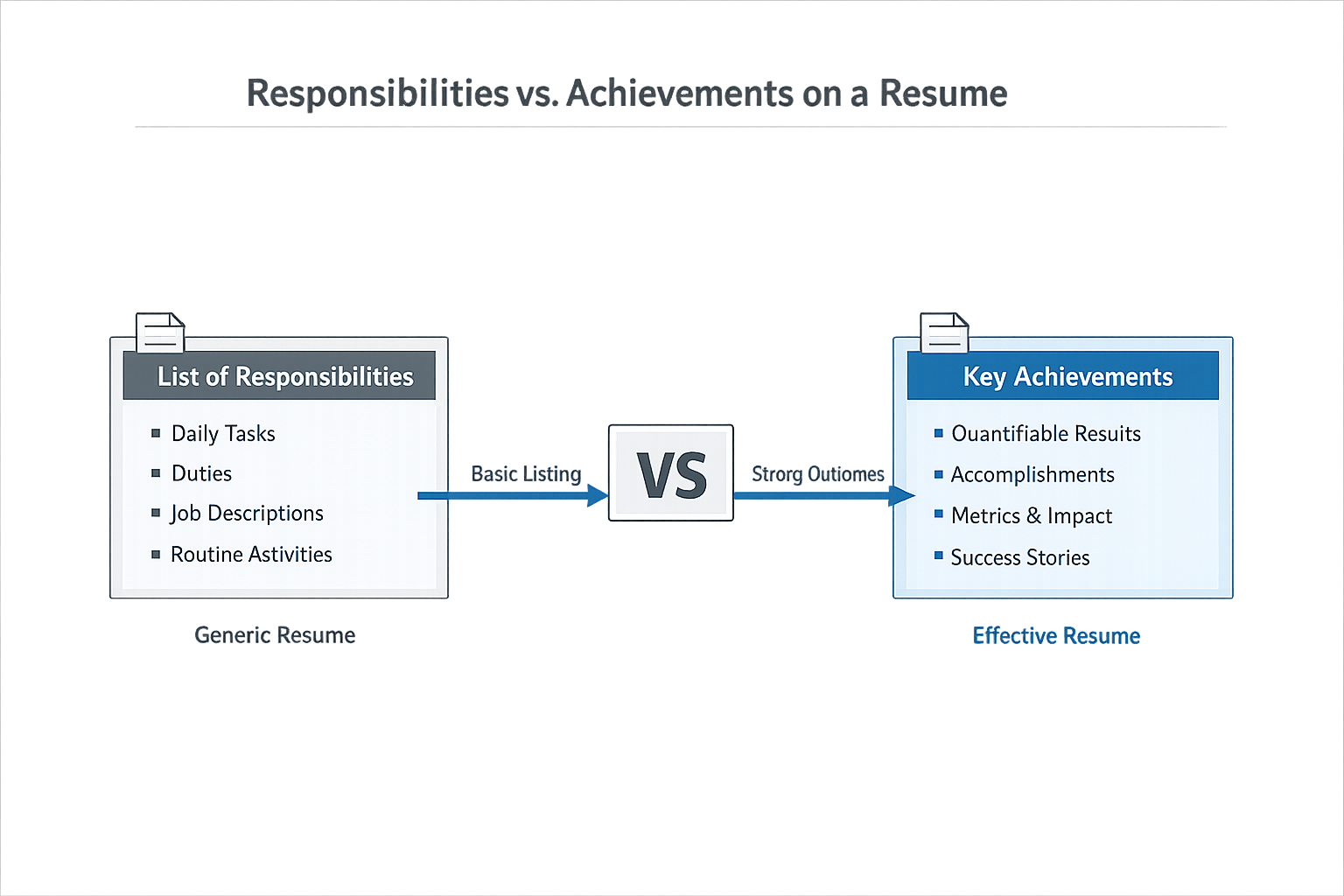
One of the most critical resume industry secrets is this: hiring managers don't care what you were supposed to do—they care what you actually accomplished. Too many resumes read like job descriptions, listing responsibilities and daily tasks without demonstrating impact. This approach makes you blend into the crowd rather than stand out.
A strong resume focuses on outcomes achieved at each job rather than just listing job duties. Instead of writing "Managed social media accounts," show what happened because of your management: "Grew Instagram following by 40% in six months, driving a measurable increase in web traffic." The difference is stark. One tells the employer you showed up; the other proves you delivered value.
Shift From Tasks to Achievements
The transformation from task-oriented to achievement-focused writing requires a mental shift. For every bullet point on your resume, ask yourself: "So what? What changed because I did this?" If you can't answer that question, the bullet probably isn't pulling its weight.
Consider quantifying your achievements whenever possible. Numbers provide concrete evidence of your impact and make your accomplishments memorable. Did you reduce processing time? By how much? Did you train new employees? How many, and what was the retention rate? Even approximate figures carry more weight than vague descriptions.
Make Every Word Earn Its Place
Employers spend seconds scanning each resume. When they see a list of generic responsibilities, their eyes glaze over. When they see specific achievements with measurable outcomes, they pause and pay attention. That pause is what gets you to the interview stage.
Think about the problems you solved, the processes you improved, or the goals you exceeded. Did you streamline a workflow that saved time? Did you identify cost savings? Did you exceed sales targets or improve customer satisfaction scores? These are the details that demonstrate you're not just filling a role—you're adding value.
For specialized roles, understanding what recruiters actually look for can help you frame your achievements in ways that resonate with hiring managers and applicant tracking systems alike.
The resume that shows impact gets the interview; the resume that lists tasks gets filed away.
4. Buzzwords Can Be a Double-Edged Sword
Every industry has its favorite jargon: synergy, results-driven, innovative, strategic thinker. These buzzwords feel safe—they're what everyone else uses, so they must work, right? The truth is more nuanced. While certain terms demonstrate you understand your field, overloading your resume with generic buzzwords can make you sound like everyone else in the pile. Worse, it can make hiring managers question whether there's substance behind the language.
The Problem With Buzzword Overload
Buzzwords become problematic when they replace concrete information. Calling yourself a "dynamic team player with excellent communication skills" tells a hiring manager almost nothing. These phrases are so common they've lost meaning—they're resume filler that takes up space without proving capability. When every candidate claims to be "detail-oriented" and "highly motivated," those words stop differentiating anyone.
The real issue is authenticity. A resume packed with buzzwords can read as though it was generated by a template rather than written by a real person with specific accomplishments. Hiring managers see thousands of resumes; they've developed a sixth sense for generic language that masks a lack of concrete achievements.
How to Balance Industry Language With Authenticity
The solution isn't to eliminate all industry terminology—it's to use it strategically. Include buzzwords only when you can back them up with evidence. Instead of simply claiming you're "results-driven," show the results: "Increased quarterly revenue by 18% through targeted client outreach." The buzzword becomes implied by the achievement itself.
Focus on outcomes rather than adjectives. Rather than listing "excellent project management skills," describe what you managed: "Coordinated cross-functional team of 12 to deliver software release two weeks ahead of schedule." This approach demonstrates the skill without relying on empty descriptors. For guidance on structuring achievement-focused content, see our guide on ATS résumé format and what recruiters actually look for.
The strongest resumes replace buzzwords with evidence—show the skill, don't just name it.
When Buzzwords Actually Help
There are moments when industry-specific terms are necessary. Applicant tracking systems (ATS) often scan for keywords that match the job description, so including relevant terminology can help your resume get past initial filters. The key is to use these terms in context, not as standalone claims. If a job posting asks for "strategic planning," mention it in the context of an actual project: "Led strategic planning initiative that realigned departmental priorities and reduced operational costs by 12%."
Similarly, certain technical terms and certifications should appear exactly as they're commonly known in your field—these aren't buzzwords, they're credentials. "Certified Public Accountant" or "AWS Certified Solutions Architect" are precise qualifications, not vague descriptors.
The balance comes down to this: use the language of your industry to demonstrate fluency, but rely on specific accomplishments to prove competence. Let your results do the talking, and use buzzwords only as supporting vocabulary—never as the main message.
5. Cover Letters Are Still Important—Don't Skip Them

Despite widespread rumors that cover letters are dead, they remain a critical component of the application process. Many job seekers treat them as optional or skip them entirely, assuming their resume will speak for itself. This is a costly mistake. Cover letters provide context that your resume cannot—they explain career transitions, highlight relevant achievements that might otherwise be overlooked, and demonstrate your genuine interest in the specific role.
The reality is that hiring managers use cover letters to assess whether you've done your homework. A compelling cover letter shows you understand the company's challenges and can articulate how your experience addresses their needs. It's your opportunity to make a case for yourself beyond the bullet points, sharing insights that wouldn't be clear from your resume alone.
Why Cover Letters Still Matter in Today's Job Market
Cover letters serve as a differentiator when multiple candidates have similar qualifications. They allow you to tell your story in a way that connects your background to the employer's specific situation. This narrative element is especially valuable for career changers, those with employment gaps, or candidates with limited direct experience who need to demonstrate transferable skills.
Even when a job posting lists the cover letter as "optional," submitting one shows initiative and attention to detail. Employers who take the time to read applications appreciate candidates who take the time to craft thoughtful introductions. The absence of a cover letter can signal lack of interest or effort, particularly for competitive positions.
Common Cover Letter Mistakes That Undermine Your Application
Many job seekers who do write cover letters sabotage themselves with generic templates that could apply to any company. Opening with "I am writing to express my interest in the position" wastes valuable space and fails to capture attention. Instead, lead with something specific about the company or role that connects to your experience.
Another frequent error is focusing too heavily on what you want from the job rather than what you bring to it. Employers care about solving their problems, not fulfilling your career aspirations. Frame your qualifications in terms of the value you'll deliver, not the learning opportunities you seek.
Overly formal or stiff language can also work against you. While professionalism is important, your cover letter should sound like a real person wrote it. Conversational doesn't mean casual—it means clear, direct, and authentic. For guidance on creating application materials that get results, see our ATS Résumé Format: What Recruiters Actually Look For.
How to Write a Cover Letter That Actually Works
Start by researching the company and role thoroughly. Reference specific projects, challenges, or initiatives that resonate with your background. This demonstrates genuine interest and shows you've invested time in understanding their needs. Your opening paragraph should immediately establish relevance—why you're qualified and why this particular opportunity matters to you.
In the body paragraphs, select two or three key achievements that directly align with the job requirements. Use concrete examples with measurable outcomes when possible. Explain the context briefly, describe your actions, and emphasize the results. This approach is far more compelling than listing general skills or responsibilities.
Crafting a compelling cover letter is essential, even for those with limited work experience, and reviewing successful examples can guide your writing process. Keep your letter to one page, use clear paragraph breaks, and close with a confident statement about your interest in discussing the role further. Proofread carefully—errors in a cover letter are particularly damaging because they suggest carelessness in a document specifically designed to showcase your communication skills.
6. You Need to Network, Not Just Apply Online
Submitting applications through job boards feels productive. You can track the number of resumes sent, watch confirmation emails arrive, and tell yourself you're making progress. But here's one of the most uncomfortable resume industry secrets: online applications alone rarely lead to interviews. The vast majority of candidates who land roles do so through referrals, internal recommendations, or direct outreach—not by clicking "Submit" on a company career page.
The math is sobering. A single job posting can attract hundreds or even thousands of applicants within hours. Your resume enters a queue where it competes with candidates who may have identical qualifications, similar keywords, and comparable experience. Even if your resume is flawless, the sheer volume means many qualified applicants never get reviewed. Recruiters often prioritize candidates who come through trusted channels: employee referrals, LinkedIn messages from hiring managers, or introductions from mutual connections.
Why Networking Outperforms Blind Applications
Networking isn't about collecting business cards or attending awkward mixers. It's about building genuine professional relationships that create opportunities before jobs are publicly posted. Many positions are filled through internal pipelines or referrals before a job description ever hits a board. When you network effectively, you gain access to this hidden market.
Consider how recruiters process applications. When faced with a stack of 300 resumes, they look for reasons to narrow the field quickly. A referral or direct introduction gives them a reason to look closer at your background. It transforms you from a faceless PDF into a real person with a connection to the organization. This doesn't guarantee you'll get the job, but it dramatically increases the likelihood that someone will actually read your resume and consider your fit.
Practical Networking Strategies That Work
Effective networking doesn't require extroverted charisma or a massive LinkedIn following. It requires consistency, genuine interest, and strategic follow-through. Start by identifying people who work in your target industry or at companies you're interested in. Reach out with specific questions about their work, their career path, or the challenges their team faces. Avoid immediately asking for a job—focus on building rapport and learning.
Informational interviews are one of the most underutilized tools in job searching. Request a brief conversation (15-20 minutes) to learn about someone's role or company. Prepare thoughtful questions that demonstrate you've researched their background. Most professionals are willing to share insights, especially if you approach them with genuine curiosity rather than a thinly veiled job request. These conversations often lead to introductions, referrals, or advance notice of upcoming openings.
The strongest job leads come from relationships built before you need them, not scrambled together in desperation.
Leverage your existing network more strategically. Let former colleagues, classmates, and professional contacts know you're exploring new opportunities. Be specific about what you're looking for—vague requests for "any opportunities" are easy to ignore. When you're clear about your target roles and industries, people can make meaningful introductions. Follow up on every connection, even if it doesn't immediately lead to an interview. Building a reputation for professionalism and follow-through pays dividends over time.
Online platforms like LinkedIn make outreach easier, but they require a thoughtful approach. Personalize every connection request and message. Reference shared experiences, mutual connections, or specific content the person has posted. Generic templates are instantly recognizable and usually ignored. When reaching out to recruiters or hiring managers, keep your message concise: introduce yourself, explain why you're interested in their company, and ask a specific question or request a brief conversation.
For those wondering how to balance networking with application quality, remember that ATS résumé format still matters when your network opens doors—your resume needs to hold up once someone actually reviews it.
Making Networking a Consistent Habit
The biggest mistake job seekers make is treating networking as a crisis response—something to do only when unemployed or desperate. Effective networkers maintain relationships continuously, even when they're happily employed. Set aside time each week to engage with your professional community: comment on LinkedIn posts, share relevant articles, congratulate connections on new roles, or simply check in with people you haven't spoken to recently.
Attend industry events, webinars, and conferences where you can meet people working in your field. Virtual events have made this easier than ever—you can participate in panel discussions, join breakout rooms, and follow up with speakers without geographic constraints. The goal isn't to meet everyone in the room; it's to have a few meaningful conversations that could develop into ongoing professional relationships.
Track your networking efforts just as you would track applications. Keep a simple spreadsheet noting who you've contacted, when you followed up, and any next steps. This prevents connections from falling through the cracks and ensures you're building a pipeline of relationships over time. Networking is a long game—most connections won't immediately result in job offers, but they create a foundation of goodwill and visibility that pays off when opportunities arise.
7. Job Searching Is a Job in Itself—Treat It Like One
One of the most overlooked resume industry secrets is that finding a job requires the same discipline, structure, and effort as holding one. Many job seekers approach their search sporadically—sending out a few applications when they feel motivated, then waiting passively for responses. This reactive approach rarely yields results in a competitive market.
Successful job searching demands a strategic, systematic approach. Set specific daily goals: a target number of tailored applications, networking conversations, or follow-ups. Block dedicated hours on your calendar for job search activities, just as you would for work meetings. Track your applications in a spreadsheet, noting company names, positions, dates submitted, and follow-up actions required.
Structure Your Search Like a Workday
Treat your job search with the professionalism it deserves. Start your day at a consistent time, dress as if you're going to work (even if you're at home), and create a dedicated workspace. This mental shift from "unemployed person" to "professional conducting a job search" changes your energy and output.
Divide your time strategically across multiple activities. Spend mornings on high-concentration tasks like customizing resumes and writing cover letters when your mental energy is highest. Use afternoons for networking outreach, informational interviews, and research. Reserve evenings for skill development or industry reading that keeps you current and confident.
Maintain Accountability and Momentum
Without a boss or colleagues, accountability falls entirely on you. Set weekly targets and review your progress honestly. If you're not getting interviews, revisit your materials and strategy rather than simply sending more of what isn't working. When you do land interviews, treat the preparation with the same seriousness you'd give a major client presentation.
The emotional weight of job searching can be draining, which is why treating it as a job helps maintain boundaries. When your "workday" ends, step away from job boards and application portals. Burnout serves no one, and sustainable effort over weeks or months requires rest and recovery.
Building a routine also combats the isolation many job seekers experience. Schedule regular check-ins with mentors, former colleagues, or accountability partners. Join professional groups or online communities where you can share progress and challenges. The structure keeps you moving forward even when motivation wanes.
Understanding that job searching requires systematic effort helps you approach each application with the attention it deserves. Your resume materials need to be strong, but the process of getting them in front of the right people demands equal rigor.
Honorable Mentions
While the seven resume industry secrets above form the core of what job seekers need to know, several additional insights deserve attention. These honorable mentions address common oversights that can quietly undermine an otherwise strong application.
Don't Overlook Volunteer Experience
Many candidates dismiss volunteer work as irrelevant, assuming employers only care about paid positions. This is a costly mistake. Volunteer experience counts as legitimate professional experience, especially when it demonstrates skills relevant to the role you're targeting. If you managed a fundraising campaign, coordinated community events, or provided pro bono consulting, those accomplishments belong on your resume. The outcomes you achieved matter more than whether you received a paycheck.
Focus on Outcomes, Not Just Duties
A strong resume emphasizes what you accomplished in each role rather than simply listing what you were responsible for. Instead of writing "Managed customer service team," frame it as "Led 8-person customer service team to achieve 95% satisfaction rating, up from 78% baseline." This shift from duties to outcomes transforms a generic job description into compelling evidence of your impact. Hiring managers want to understand the difference you made, not just the tasks you performed.
For guidance on formatting these achievements for applicant tracking systems, see our guide on ATS résumé format.
Keep Your Resume Current and Relevant
Resume conventions evolve constantly. Advice that was standard practice twenty years ago—such as including an objective statement or limiting your resume to one page regardless of experience level—is now outdated. If your resume guidance comes from a book published before 2010 or from well-meaning relatives who haven't job-searched recently, verify it against current best practices. The job market has changed dramatically, and your application materials need to reflect contemporary expectations.
Proofread Ruthlessly
This may seem obvious, but typos and grammatical errors remain among the fastest ways to eliminate yourself from consideration. A single misspelled word signals carelessness to hiring managers who are looking for reasons to narrow a large applicant pool. Read your resume multiple times, use spell-check tools, and ask a trusted friend to review it with fresh eyes. The five minutes you invest in proofreading can prevent months of missed opportunities.
Conclusion
The resume industry secrets revealed in this article aren't designed to discourage you—they're meant to arm you with the truth. Understanding that your resume is just one piece of a larger puzzle, that tailoring beats templating every time, and that results matter more than responsibilities will fundamentally shift how you approach your job search. Recognizing that buzzwords need context, cover letters still carry weight, and networking opens doors that online applications can't will give you a competitive edge in a crowded market.
As part of the Resume Coach Team, I have observed how confronting these uncomfortable realities transforms job seekers from frustrated applicants into strategic candidates. The job search truth is that the market is competitive, and standing out requires more than a well-crafted resume—it demands intentional effort across every touchpoint. When you treat job searching as a job itself, dedicate time to building genuine professional relationships, and focus on outcomes rather than duties, you're no longer hoping to get noticed—you're positioning yourself to be remembered.
The career advice reality is that no single resume tweak or networking coffee will guarantee success, but the cumulative effect of informed, strategic action will significantly enhance your chances. Start by auditing your current materials against the principles outlined here. Are you showing results or just listing tasks? Is your resume tailored to each opportunity, or are you sending the same document everywhere? Are you actively building relationships, or just clicking "Apply" and hoping for the best?
For a deeper look at how hiring systems evaluate your application, explore our guide on ATS Résumé Format: What Recruiters Actually Look For to ensure your materials pass the initial screening. The job search process is rarely easy, but it becomes far more manageable when you understand the rules of the game. Take these resume industry secrets, apply them with intention, and approach your search with the professionalism and persistence it deserves. Your next opportunity is waiting—make sure you're ready when it arrives.
Sources(39)
- Ask a Manager (2012)
- interviewing.io (2025)
- interviewing.io (2025)
- Ask a Manager (2012)
- Ask a Manager (2016)
- Ask a Manager (2011)
- interviewing.io (2014)
- Ask a Manager (2012)
- Ask a Manager (2013)
- Ask a Manager (2016)
- Ask a Manager (2013)
- Ask a Manager (2015)
- Ask a Manager (2008)
- Ask a Manager (2012)
- Ask a Manager (2015)
- Ask a Manager (2014)
- Ask a Manager (2012)
- Ask a Manager (2013)
- Ask a Manager (2014)
- Ask a Manager (2013)
- Ask a Manager (2012)
- john-cronin-quote-integration — John Cronin
- Zenodo (CERN European Organization for Nuclear Research) (2026)
- Ask a Manager (2020)
- Ask a Manager (2021)
- interviewing.io (2024)
- Ask a Manager (2011)
- Ask a Manager (2013)
- Ask a Manager (2013)
- aam-95c6e8d68c8b907c (practitioner_guidance)
- aam-d5f28215402d9259 (practitioner_guidance)
- aam-d425870bf912f23b (practitioner_guidance)
- aam-4393b0d5ed3b15a3 (practitioner_guidance)
- aam-cabec4ff113edea9 (practitioner_guidance)
- aam-a61583d5d524f284 (practitioner_guidance)
- aam-56d3522da348ca83 (practitioner_guidance)
- aam-59b90992a9e0019f (practitioner_guidance)
- aam-a8601efbb799b702 (practitioner_guidance)
- aam-35e426299f5f0ec5 (practitioner_guidance)
Written by
Resume Coach Team
Published October 18, 2026 · 23 min read
Want this kind of read on your résumé?
We'll tell you what's actually working, what's holding you back, and what to fix — in plain English.
Get My Job Match ScoreYou Might Also Like
More articles to help you advance your career

Why No Interviews? Interview Callback Issues: The Real Reason You're
Discover the real reasons behind interview callback issues and actionable steps to improve your chances of landing job opportunities. Learn why no interviews are

ATS Résumé Format: What Recruiters Actually Look For
Learn about ATS Résumé Format and what recruiters look for to optimize your job application and pass automated screening systems.
ATS Myths: Surprising Practical Misconceptions Debunked
Discover the truth about ATS myths and learn how applicant tracking systems really work with our practical guide to common misconceptions and realities.

Job Application Silence: Surprising Expert Insights and Solutions
Experiencing job application silence after applying? Discover surprising expert insights on why it happens and practical solutions to overcome it.