



Free ATS Resume Checker: What's Useful and What's Not
Discover what Free ATS Resume Checker tools can and can't do. Learn which features actually help optimize your resume for applicant tracking systems.
Introduction
You've probably heard warnings that applicant tracking systems reject most resumes before a human ever sees them. The reality is more nuanced. While ATS software does screen and rank applications, it doesn't automatically discard your resume based on formatting alone. Instead, these systems contextualize applicants for recruiters, organizing candidates by how well their qualifications match the job requirements.
Free ATS resume checkers have emerged as popular tools to help job seekers navigate this screening process. These tools promise to analyze your resume the way an ATS would, flagging formatting problems and missing keywords. But what can they actually tell you, and where do their limitations become important?
Understanding what makes a resume ATS-friendly starts with separating myth from reality. The widely cited claim that ATS systems reject a specific percentage of applications lacks concrete research backing. What matters more is recognizing that ATS platforms rank candidates based on keyword relevance and readability rather than operating as binary gatekeepers.
Free ATS resume checkers can be valuable diagnostic tools when you understand their scope. They excel at identifying common formatting pitfalls and suggesting relevant keywords from job descriptions. However, they can't replicate the exact algorithms of every ATS platform, nor can they assess the strategic positioning of your accomplishments or the persuasive quality of your writing. The goal isn't to achieve a perfect score on a checker tool — it's to create a resume that both passes technical screening and compels a human recruiter to call you for an interview.
Problem Statement
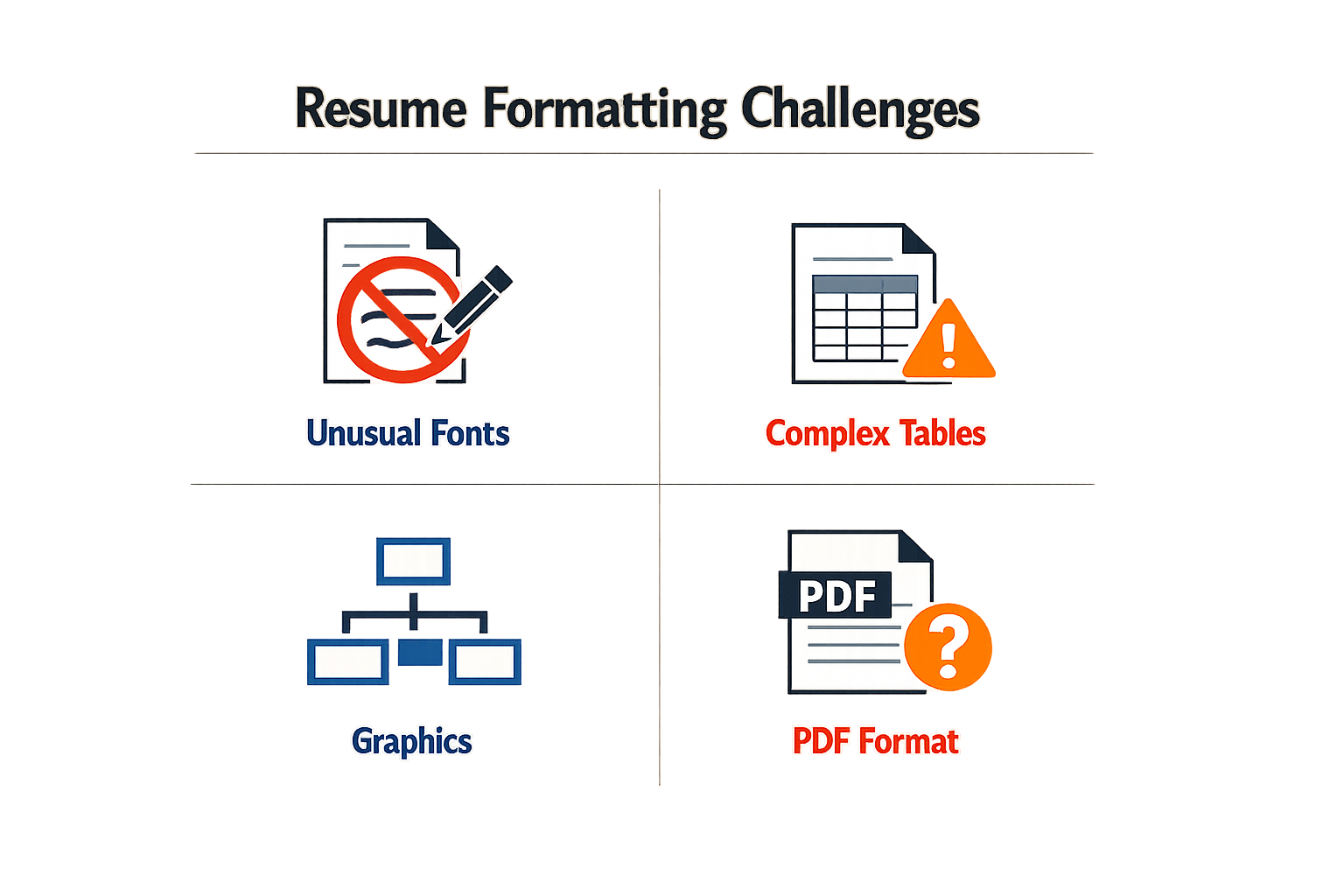
Job seekers face a critical barrier before their resumes ever reach human eyes: applicant tracking systems that filter candidates based on formatting, keywords, and structural compliance. Even highly qualified professionals find themselves rejected not because they lack skills, but because their resumes fail to meet the technical requirements of automated screening software. This disconnect between candidate quality and resume presentation creates a frustrating cycle where experience and expertise become invisible to hiring systems.
The Format and Keyword Trap
Many qualified candidates are overlooked because their resumes do not match predefined formats or keywords. Applicant tracking systems scan for specific terms, section headers, and file structures that align with job descriptions. When a resume uses creative formatting, unconventional section titles, or industry terminology that differs slightly from the posted requirements, the ATS may categorize it as a poor match—regardless of the candidate's actual qualifications.
The widespread adoption of applicant tracking systems leads to a preference for candidates with narrow, platform-specific expertise, often filtering out highly experienced professionals who possess broader, transferable skills. This creates a paradox where systems designed to streamline hiring actually exclude the very talent companies claim to need. The emphasis shifts from genuine capability to keyword optimization, forcing job seekers to reformat and reword their accomplishments to satisfy algorithmic requirements rather than showcase their true value.
The Risk-Averse Recruitment Culture
Behind these technical challenges lies a deeper structural issue: recruitment practices driven by ATS reflect a risk-averse culture that prioritizes procedural correctness over genuine talent acquisition. Companies rely on automated filtering to reduce liability and processing time, but this approach treats resumes as compliance documents rather than professional narratives. The result is a system where following formatting rules becomes more important than demonstrating impact, and where candidates must navigate an opaque set of technical requirements just to be considered.
For job seekers, this means understanding ATS compatibility is no longer optional—it's a prerequisite for getting past the initial screening. Without insight into how these systems parse and rank resumes, even the most accomplished professionals risk being filtered out before their qualifications are ever reviewed. This is where ATS-friendly resume formatting becomes essential: knowing what these systems can and cannot process helps candidates present their experience in ways that both machines and humans can evaluate fairly.
Solution Steps
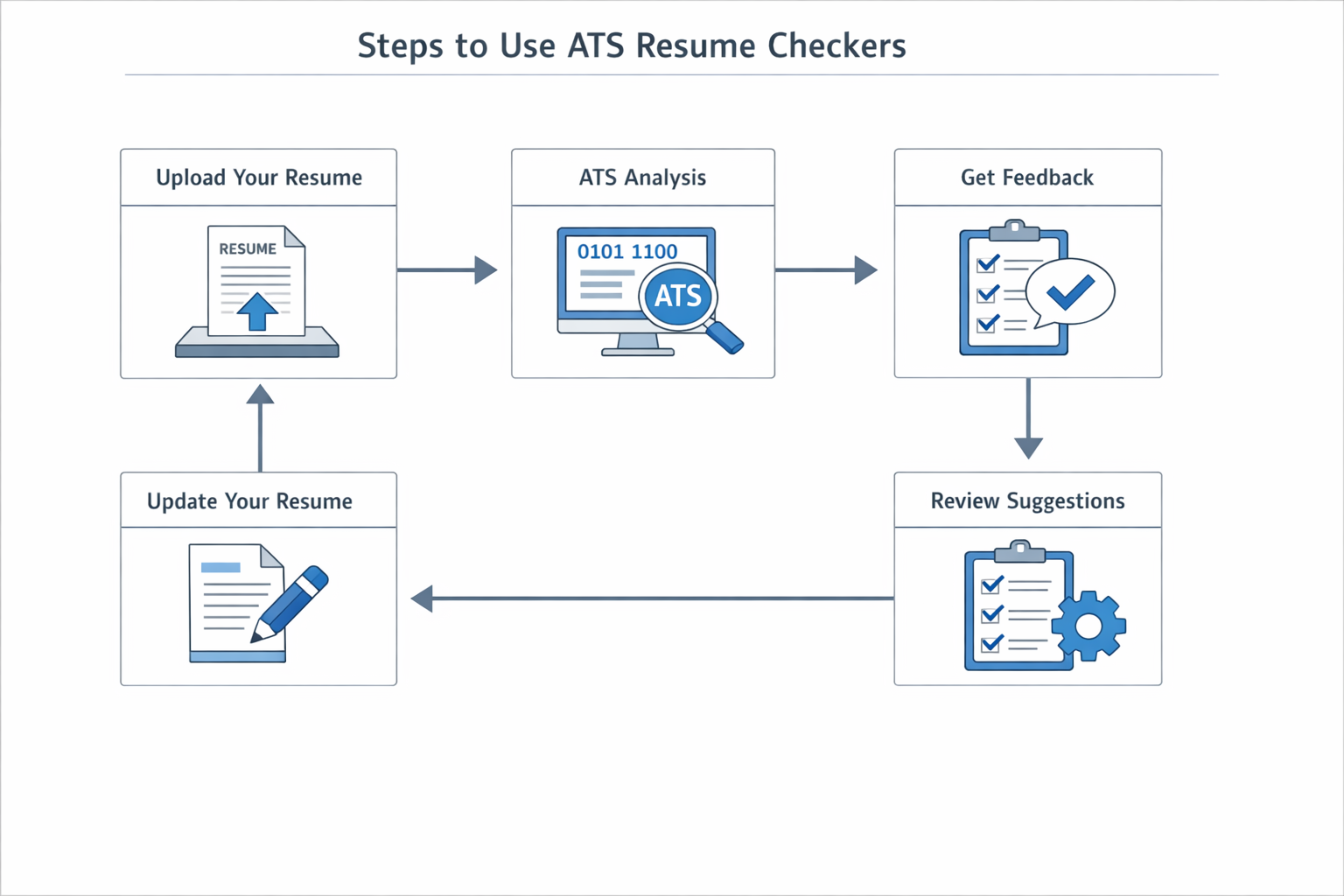
Using a Free ATS Resume Checker effectively requires a methodical approach. These tools can surface formatting issues and keyword gaps, but only if you know how to interpret their feedback and apply it strategically. The following steps will help you extract maximum value from free checkers while avoiding common pitfalls.
Step 1: Choose a Checker That Parses Your Format
Not all free checkers use the same parsing engine. Look for tools that explicitly state they extract structured data from resumes—names, dates, job titles, skills—rather than simply scanning for keywords. Research shows that modern parsing systems can achieve accuracy rates around 93–94% when extracting key information, so prioritize tools that demonstrate actual parsing capabilities rather than basic text matching.
Avoid checkers that only return a single percentage score without showing you what they extracted. If the tool can't display how it interpreted your work history or education section, it's not giving you actionable feedback.
Step 2: Upload and Review the Parsed Output
Once you upload your resume, examine the parsed output carefully. Check that dates, job titles, company names, and education credentials appear correctly. If the tool misreads a section—placing a certification under work experience, for example—your resume format likely has structural ambiguity that a real ATS will also struggle with.
Common parsing errors include merged date ranges, missing job titles, or skills buried in paragraph text that the parser skips. Each error signals a formatting weakness you need to address.
Step 3: Cross-Reference Keyword Suggestions with the Job Description
Many free checkers highlight missing keywords by comparing your resume to a job posting. This feature is useful, but only if you apply it critically. Copy the target job description into the tool if it offers that option, then review the suggested keywords.
If a keyword feels forced or irrelevant to your background, leave it out. Keyword stuffing damages readability and raises red flags during human review. For more on balancing ATS optimization with recruiter expectations, see our guide on ATS résumé format.
Step 4: Fix Formatting Issues Flagged by the Tool
Free checkers often flag tables, text boxes, headers, footers, or unusual fonts. These elements confuse parsers and cause data loss. Remove or simplify any flagged formatting, then re-upload your resume to confirm the tool now parses it cleanly.
Stick to standard section headings like "Work Experience," "Education," and "Skills." Creative labels may appeal to human readers but often confuse parsing logic.
Step 5: Proofread After Every Change
Automated tools catch structural problems, but they don't replace human judgment. After applying the checker's suggestions, have at least two people proofread your resume to ensure it still reads naturally and accurately represents your achievements. A resume is a document you can refine over time, so treat each iteration as an opportunity to improve clarity and impact.
Step 6: Test with Multiple Tools
No single free checker replicates every ATS in use. Run your resume through two or three different tools to identify patterns in their feedback. If multiple checkers flag the same formatting issue or missing keyword, prioritize fixing that item. Discrepancies between tools are normal—focus on consensus issues rather than chasing perfect scores on every platform.
Tips and Tricks for Using Free ATS Resume Checkers

Using a free ATS resume checker effectively requires understanding both what these tools can do and where human judgment still matters. The most successful job seekers treat these checkers as one input among several, not as the final word on resume quality.
Treat the Tool as a Starting Point, Not a Finish Line
Free ATS resume checkers excel at catching formatting errors and keyword gaps, but they can't evaluate whether your accomplishments are compelling or whether your experience tells a coherent story. Use the checker's feedback to identify technical issues—missing keywords, formatting problems, or readability concerns—then address those issues while keeping your resume's narrative intact.
The checker's score is a diagnostic, not a grade. A resume that scores well on keyword density but lacks measurable achievements will still fail to impress human recruiters. Focus on fixing genuine problems the tool identifies rather than chasing a perfect score.
Get Human Eyes on Your Resume
Automated tools can't replace the value of having real people review your work. You should have at least two people proofread your resume before submitting it to ensure it accurately represents your achievements and skills. Choose reviewers who understand your field and can spot both technical errors and unclear descriptions.
Human reviewers catch different problems than automated checkers. They'll notice when a bullet point is confusing, when your job titles don't match industry norms, or when your strongest accomplishments are buried in the middle of the page. Combine automated feedback with human insight for the most complete picture of your resume's strengths and weaknesses.
For role-specific guidance on what human reviewers and ATS systems both look for, see our guide on ATS Résumé Format: What Recruiters Actually Look For.
Focus on Substance Over Optimization
It's much easier to retreat to the comfort of polishing up your bullet points because it's something you can control.
While it's tempting to spend hours tweaking keywords and formatting, remember that resume polish has diminishing returns. If you already have strong experience and measurable achievements, light optimization helps. If your resume lacks substance, no amount of keyword tweaking will compensate.
Polishing your resume can be useful if you already look good on paper, especially if you have recognizable brands on your resume. But if you're struggling to get interviews, the problem is more likely your experience, your network, or your job search strategy—not your bullet point formatting.
Use Multiple Checkers for Cross-Validation
Different free ATS resume checkers use different algorithms and keyword databases. Running your resume through two or three different tools helps you identify consistent issues versus tool-specific quirks. If three checkers all flag the same missing keyword, that's worth addressing. If only one checker complains about a formatting choice that the others approve, you can probably ignore it.
This cross-validation approach prevents you from over-optimizing for one tool's particular preferences. Real ATS systems vary widely in how they parse and rank resumes, so building a resume that performs reasonably well across multiple checkers gives you better odds across multiple real systems.
Before making any changes, run your current resume through your chosen checker to establish a baseline. Note specific issues flagged—missing keywords, formatting problems, or readability concerns—and prioritize them by how often they appear and how easy they are to fix.
Fix problems that affect readability and keyword coverage before worrying about minor formatting details. Add missing hard skills that match the job description, clarify vague job titles, and ensure your contact information is machine-readable.
After addressing the checker's feedback, have at least two people review your resume. Ask them specifically whether your changes improved clarity and whether your strongest accomplishments still stand out.
Conclusion
Choosing the right Free ATS Resume Checker is less about finding a perfect tool and more about understanding what these tools can realistically deliver. While no free checker can guarantee your resume will pass every system, the right one can help you spot formatting errors, identify missing keywords, and ensure your document is machine-readable. The key is to use these tools as one part of a broader strategy—not as a magic solution that replaces thoughtful resume writing and targeted job applications.
The myth that ATS systems automatically reject most resumes has been widely debunked; research shows that these systems contextualize applicants for recruiters rather than making final rejection decisions. What matters more than beating an algorithm is creating a resume that clearly communicates your qualifications to the human reviewer who will ultimately evaluate your application. A good free checker helps you remove technical barriers—poor formatting, unreadable fonts, or missing standard sections—so recruiters can focus on your actual experience and skills.
As you refine your resume, remember that ATS optimization is just the foundation. Your resume still needs to tell a compelling story about your career, demonstrate measurable impact, and align with the specific requirements of each role you're targeting. For guidance on creating resumes that satisfy both ATS requirements and human reviewers, explore our guide on ATS Résumé Format: What Recruiters Actually Look For.
Ultimately, the most effective approach combines a reliable free checker with careful attention to job descriptions, clear writing, and honest self-assessment. Use the tool to catch technical issues, but invest your real effort in showcasing the qualifications that make you the right candidate—because that's what will get you the interview.
Written by
Resume Coach Team
Published October 18, 2026 · 11 min read
Want this kind of read on your résumé?
We'll tell you what's actually working, what's holding you back, and what to fix — in plain English.
Get My Job Match ScoreYou Might Also Like
More articles to help you advance your career

ATS Meaning Resume: Understanding ATS and What Applicant Tracking
Learn what ATS meaning resume entails and how Applicant Tracking Systems work in 2026 to streamline your hiring process and recruitment workflows.

Why a Generic Cybersecurity Resume Won't Work and What Will
Discover why a generic cybersecurity resume won't cut it and learn how to tailor your application for success in the tech industry.

What the ATS Resume Checker Actually Checks in 2025
Learn what an ATS resume checker actually checks and what it overlooks, helping you craft a resume that passes automated screening systems.

Free ATS Resume Checker: What's Free vs. Actually Useful
Explore the differences between Free ATS Resume Checker tools and truly useful options. Learn what free versions offer vs. paid features for job seekers.