


ATS Meaning Resume: Understanding ATS and What Applicant Tracking
Learn what ATS meaning resume entails and how Applicant Tracking Systems work in 2026 to streamline your hiring process and recruitment workflows.
Introduction
Understanding ATS begins with recognizing how these systems have become the backbone of modern recruitment. An Applicant Tracking System is software that collects, sorts, and ranks job applications, helping recruiters handle hundreds or thousands of candidates efficiently. In 2026, these systems are more sophisticated than ever, yet their core function remains unchanged: streamlining the path between candidate and hiring manager.
The rise of ATS technology reflects a practical response to volume. When a single job posting attracts hundreds of resumes, manual review becomes impossible. Recruiters need tools that surface qualified candidates quickly while maintaining fairness and consistency. Understanding ATS matters not just for HR professionals configuring these systems, but for job seekers who need to navigate them successfully.
Many candidates believe that computers automatically reject their applications based on rigid keyword formulas. The reality is more nuanced. While ATS platforms do screen and rank resumes using algorithms, humans typically make the final decision about who advances. The system sorts; the recruiter selects. This distinction matters because it shifts the focus from "beating the robot" to presenting your qualifications clearly and strategically. For deeper insight into how to structure your application, see our guide on ATS Résumé Format: What Recruiters Actually Look For.
Understanding ATS functionality gives you a competitive advantage. When you know that an ATS parses your resume for specific skills, job titles, and qualifications mentioned in the posting, you can tailor your content accordingly. This isn't about gaming the system—it's about communicating your fit in the language the employer is already using. The goal is visibility: ensuring your resume reaches human eyes rather than disappearing into an unsorted queue.
In the sections ahead, we'll explore the recruitment challenges that make ATS necessary, how these systems simplify hiring workflows, and practical strategies to maximize your success whether you're a recruiter or a candidate. By the end, you'll have a clear picture of what Applicant Tracking Systems actually do in 2026 and how to work with them effectively.
Understanding the Challenges in Recruitment
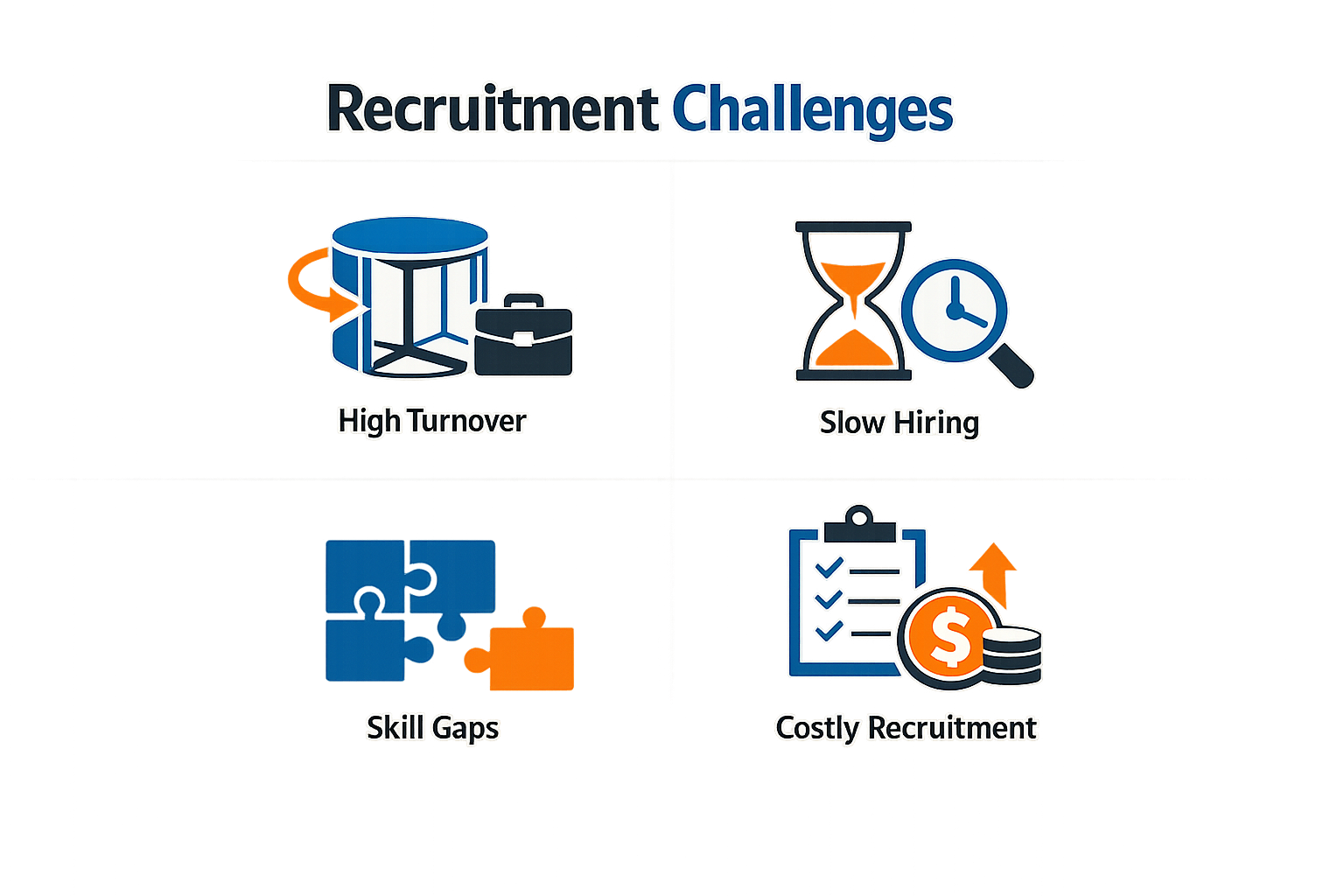
Recruitment without structured systems creates friction at every stage of the hiring pipeline. Organizations often struggle with manual resume screening, inconsistent candidate evaluation, and the inability to track applicants efficiently across multiple roles. These challenges compound as application volume grows, turning what should be a strategic process into an administrative burden that delays hiring decisions and increases costs.
How Does High Volume Impact Manual Screening?
Modern organizations receive hundreds or thousands of applications for each open position, making manual review impractical. Without automated systems, recruiters spend excessive time on initial screening tasks that could be standardized. Traditional keyword-based matching techniques often fail to capture the semantic relevance of a candidate's skills and experience, leading to qualified applicants being overlooked while less suitable candidates advance.
The Paradox of Rigid Selection Criteria
The widespread adoption of structured recruitment practices has created a capability paradox where the demand for professionals with strong problem-solving skills conflicts with rigid screening procedures. Organizations seek adaptable talent but implement inflexible filtering mechanisms that prioritize exact keyword matches over transferable competencies. This structural contradiction means companies often screen out the very candidates they claim to want—those who can learn quickly and solve novel problems.
The gap between stated hiring goals and actual screening practices creates a technical recruiting death spiral where talented professionals are systematically filtered out before human review.
Rising Costs and Timeline Extensions
Without centralized tracking, the hiring process becomes slower, harder, and more expensive. Recruiters duplicate effort across disconnected tools, lose track of candidate status, and struggle to maintain consistent communication. Interview scheduling becomes a manual coordination exercise, and data for hiring metrics remains scattered across email threads and spreadsheets. These inefficiencies extend time-to-hire, increase cost-per-hire, and create poor candidate experiences that damage employer brand.
For job seekers navigating these systems, understanding how to format applications becomes critical. Learn more about what makes a resume ATS-friendly to improve your chances of passing initial screening stages.
Inconsistent Evaluation and Bias Risk
Manual processes introduce inconsistency in how candidates are evaluated. Different reviewers apply different standards, and unconscious bias influences decisions in ways that are difficult to identify or correct. Without structured evaluation frameworks, organizations lack visibility into whether their hiring practices are fair, compliant, or aligned with stated diversity goals. This creates both legal risk and missed opportunities to build stronger, more diverse teams.
How Does Understanding ATS Help Simplify Hiring?
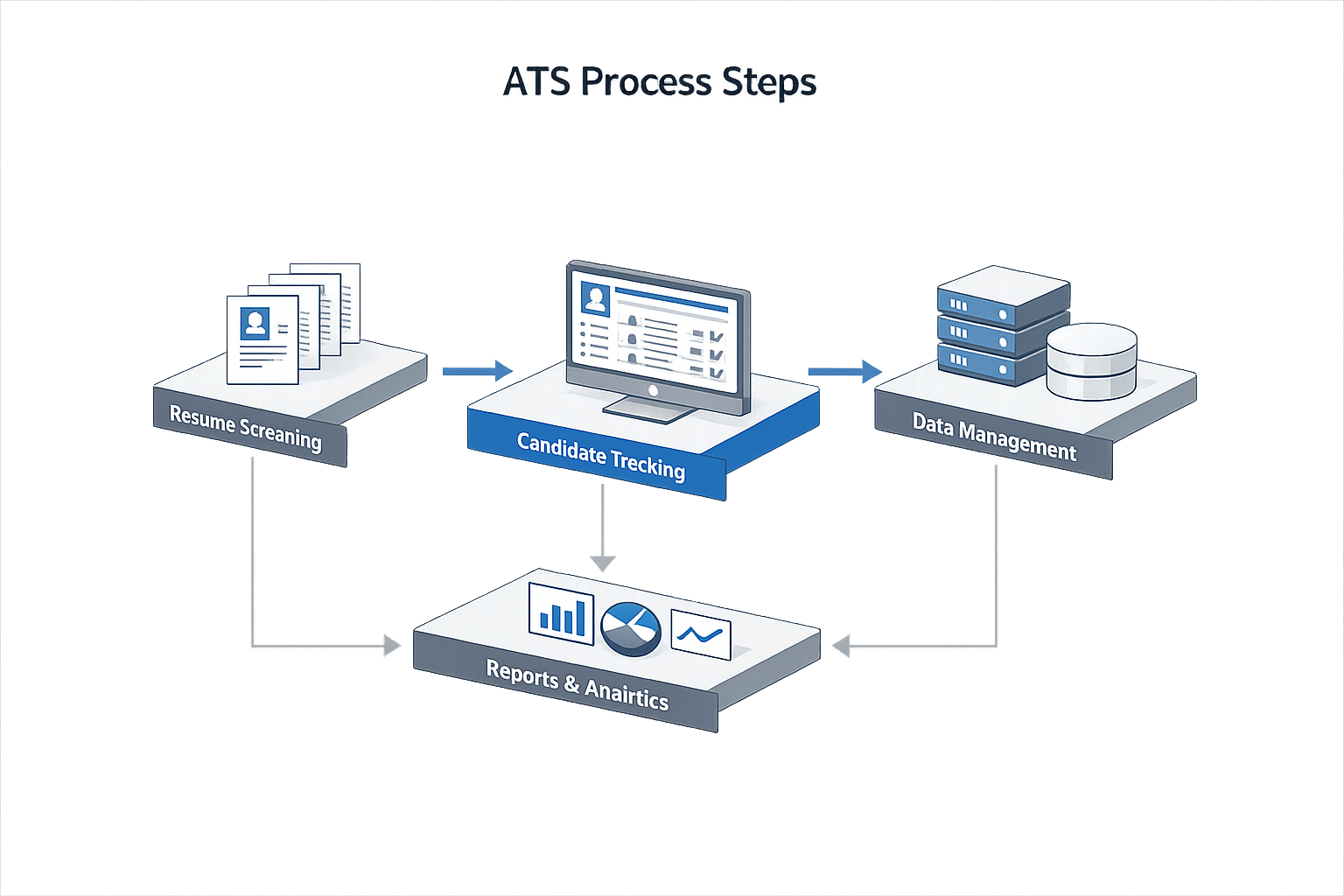
Understanding ATS reveals how these systems transform recruitment from a manual, time-intensive process into a streamlined workflow. By automating repetitive tasks and centralizing candidate data, ATS platforms allow hiring teams to focus on evaluation rather than administration. The system's core functions—resume screening, candidate tracking, and data management—work together to accelerate hiring while maintaining consistency across all applications.
Automated Resume Screening and Parsing
Step 1
Resume ingestion and data extraction
When a candidate submits an application, the ATS immediately ingests the resume file and extracts structured data. The system parses contact information, work history, education, and skills into searchable fields. Modern platforms use semantic extraction techniques to identify relevant qualifications beyond simple keyword matching, ensuring that qualified candidates aren't overlooked due to formatting variations.
Step 2
Candidate ranking and filtering
Once parsed, the ATS evaluates each resume against job requirements. The system assigns relevance scores based on how closely a candidate's profile matches the position criteria. Recruiters can set threshold scores to automatically filter applications, surfacing the most qualified candidates first. This ranking mechanism significantly reduces the time spent on initial screening.
Traditional Applicant Tracking Systems rely heavily on keyword matching, which can miss qualified candidates who use different terminology. Advanced systems now incorporate natural language processing to understand context and skill relationships, creating a more nuanced evaluation process.
Centralized Candidate Tracking
The ATS maintains a complete record of every candidate's journey through the hiring pipeline. From initial application to final decision, each interaction—interviews scheduled, feedback submitted, assessments completed—is logged in a single platform. Hiring managers can view candidate status at a glance, eliminating the need for email chains or spreadsheet updates.
This visibility extends across departments. When multiple teams are hiring simultaneously, the ATS prevents duplicate outreach and identifies candidates who might be a better fit for a different role. The system can flag when a candidate has applied to multiple positions, allowing recruiters to coordinate their approach.
Streamlined Communication and Collaboration
ATS platforms automate candidate communication at every stage. Acknowledgment emails send immediately upon application submission. Interview invitations, reminders, and status updates trigger based on workflow rules. This automation maintains consistent candidate experience while freeing recruiters from repetitive correspondence.
Internal collaboration features allow hiring teams to share feedback within the platform. Interviewers can submit evaluations, leave notes, and rate candidates without switching systems. When it's time to make a hiring decision, all relevant information is consolidated in one place. For organizations looking to optimize their recruitment materials, understanding what is an ATS-friendly resume helps both candidates and recruiters align expectations.
Data Management and Reporting
Step 3
Compliance and record retention
The ATS automatically maintains records required for compliance purposes. Application data, interview notes, and hiring decisions are stored with appropriate timestamps. When audits occur, the system can generate reports showing that hiring practices followed established protocols and legal requirements.
Reporting capabilities transform raw hiring data into actionable insights. Recruiters can analyze time-to-fill metrics, identify bottlenecks in the pipeline, and measure source effectiveness. These analytics reveal which job boards deliver the best candidates, which interview stages cause delays, and where the hiring process can be optimized.
AI-based recruitment systems automate candidate selection tasks, leading to increased operational efficiency and faster hiring times.
The system's database becomes a talent pool for future openings. When a new position opens, recruiters can search previous applicants who were qualified but not selected. This proactive sourcing reduces time-to-hire and leverages the investment already made in candidate evaluation.
Maximizing the Benefits of Applicant Tracking Systems
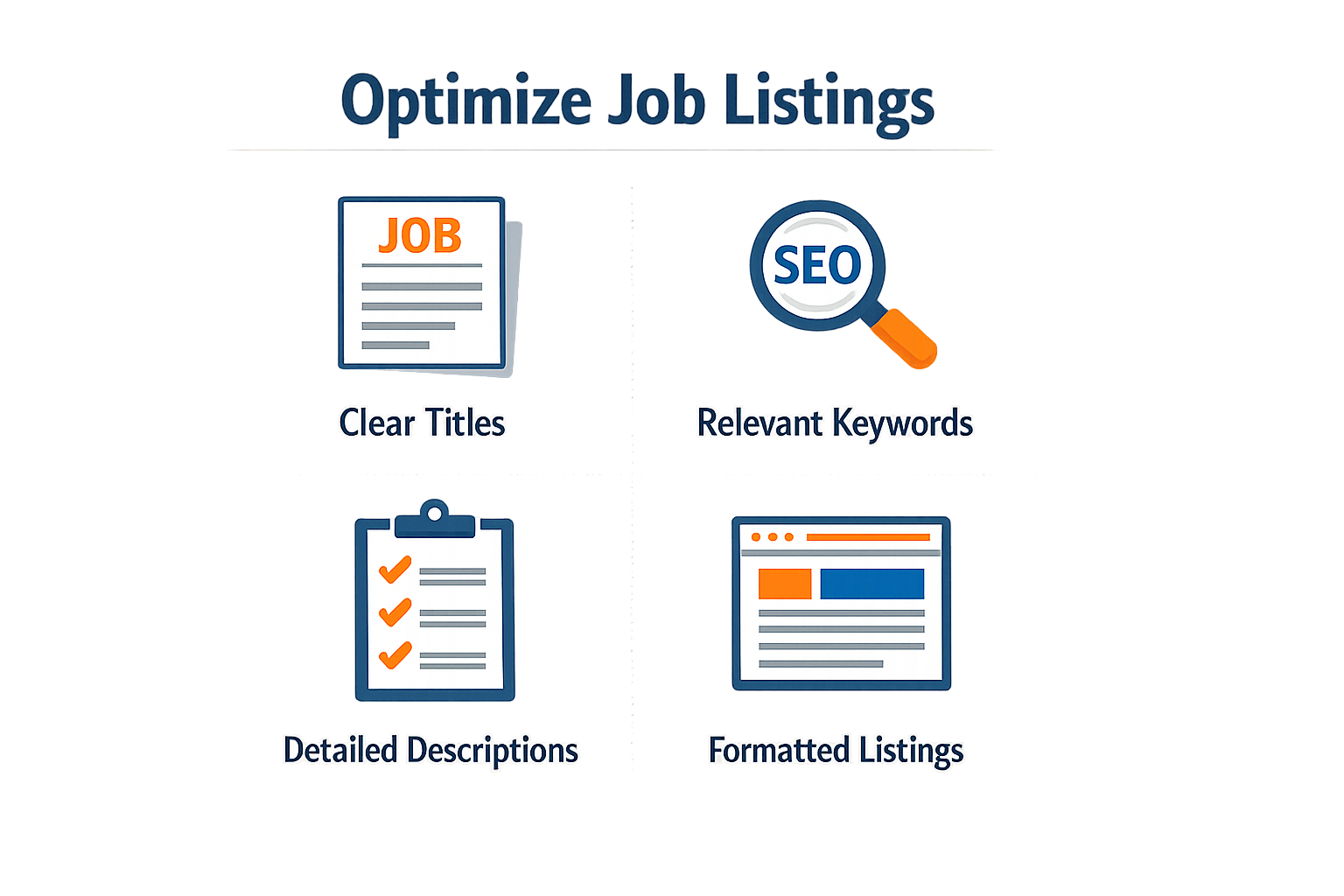
Once an organization implements an ATS, the real work begins: extracting maximum value from the platform. Many teams deploy the software but use only a fraction of its capabilities, treating it as a digital filing cabinet rather than a strategic recruitment tool. Understanding ATS capabilities and actively optimizing your approach ensures you gain efficiency, improve candidate experience, and make better hiring decisions.
Configure Your System for Your Workflow
Every recruitment process has unique stages, approval chains, and communication patterns. Configure your ATS to mirror your actual workflow rather than forcing your team to adapt to generic defaults. Set up custom pipelines that reflect how candidates move through your process, define clear ownership at each stage, and automate status updates so nothing falls through the cracks. When the system matches your reality, adoption improves and errors decrease.
Maintain Clean, Keyword-Rich Job Descriptions
The quality of your job postings directly affects the quality of your candidate pool. Write descriptions that balance specificity with accessibility, using industry-standard terminology that qualified candidates actually search for. Include relevant skills, certifications, and tools in a scannable format. When candidates tailor their resumes to match your language, the ATS can surface the best matches more accurately.
Step 1
Audit existing job templates
Review your standard job descriptions for outdated terminology, jargon that excludes qualified candidates, and missing keywords that top performers would include on their resumes. Update templates to reflect current market language.
Step 2
Test keyword alignment
Take a high-performing employee's resume and run it against your job posting. If the ATS would rank them poorly, your keywords need adjustment. The system should recognize excellence when it appears.
Train Your Team on ATS Features
Hiring managers and recruiters often use only the features they discovered during initial onboarding. Schedule regular training sessions to introduce advanced capabilities like Boolean search, automated scheduling, collaborative evaluation tools, and reporting dashboards. When your team knows what the system can do, they'll find opportunities to work smarter. For candidates preparing materials that work well with these systems, resources like ATS Résumé Format: What Recruiters Actually Look For provide practical guidance on optimization.
Monitor System Performance and Candidate Feedback
An ATS should improve your hiring outcomes, not just digitize your process. Track metrics like time-to-fill, candidate drop-off rates at each stage, and quality-of-hire scores. If candidates report frustration with your application process or if strong applicants disappear mid-pipeline, investigate whether the system is creating unnecessary friction. Responsible usage requires ongoing assessment to ensure the technology serves both organizational needs and candidate experience.
Integrate With Your Broader HR Ecosystem
Your ATS shouldn't operate in isolation. Connect it to your onboarding platform, HRIS, background check providers, and communication tools. Seamless data flow between systems eliminates duplicate entry, reduces errors, and gives you a complete view of each candidate's journey from application through their first day. When systems talk to each other, your team spends less time on administrative tasks and more time on strategic decisions.
Conclusion
Understanding ATS is essential for organizations navigating the complexities of modern recruitment in 2026. These systems have transformed hiring from a manual, paper-intensive process into a streamlined digital workflow that organizes applications, ranks candidates, and surfaces the most relevant talent for human review. While myths persist about computers automatically rejecting applications, the reality is far more collaborative: ATS platforms sort and prioritize, but hiring decisions remain firmly in human hands.
The true value of an Applicant Tracking System lies not in replacing human judgment, but in amplifying it. By parsing resumes, filtering based on defined criteria, and presenting organized candidate pools, ATS technology allows recruiters and hiring managers to focus their expertise where it matters most—evaluating fit, assessing potential, and building teams. Organizations that recognize this partnership between technology and human insight gain a competitive advantage in attracting and selecting top talent.
As recruitment technology continues to evolve, the fundamentals remain constant: clear job requirements, well-structured candidate data, and thoughtful human evaluation. Whether you're implementing your first ATS or optimizing an existing system, success depends on understanding ATS—what these platforms actually do (organize information, surface patterns, and create efficiency) while preserving the human connections that drive great hiring decisions. For job seekers looking to optimize their applications for these systems, learning what is an ATS-friendly resume can make the difference between getting overlooked and getting called for an interview.
The hiring landscape of 2026 demands both technological competence and human wisdom. Organizations that master this balance will build stronger teams, faster.
Frequently asked questions
What is Understanding ATS and why does it matter?
Understanding ATS means knowing how Applicant Tracking Systems collect, parse, and rank job applications before human review. It matters because these systems determine whether your resume reaches a recruiter or disappears into an unsorted queue.
How do ATS platforms screen resumes?
ATS platforms extract structured data from resumes, then evaluate each application against job requirements using keyword matching and semantic analysis. The system assigns relevance scores and ranks candidates, but humans make final hiring decisions.
Can an ATS automatically reject my application?
No. An ATS organizes and ranks applications, but recruiters decide who advances. The system helps prioritize candidates; it doesn't make rejection decisions on its own.
What percentage of companies use ATS in 2026?
While exact figures vary by industry, research indicates that over 98% of Fortune 500 companies and a majority of mid-sized organizations use some form of ATS to manage recruitment workflows.
How can I make my resume ATS-friendly?
Use standard formatting, include relevant keywords from the job posting, avoid complex graphics or tables, use common section headings, and save your resume as a .docx or PDF file that the system can parse accurately.
Sources(35)
- Ask a Manager (2012)
- interviewing.io (2025)
- Ask a Manager (2019)
- Ask a Manager (2016)
- Ask a Manager (2023)
- Ask a Manager (2020)
- Ask a Manager (2012)
- Ask a Manager (2025)
- Zenodo (CERN European Organization for Nuclear Research) (2026)
- Zenodo (CERN European Organization for Nuclear Research) (2026)
- Ask a Manager (2011)
- Clarify Capital
- Ask a Manager (2013)
- Ask a Manager (2015)
- Ask a Manager (2013)
- Ask a Manager (2016)
- Clarify Capital
- DOAJ (DOAJ: Directory of Open Access Journals) (2026)
- interviewing.io (2023)
- Ask a Manager (2020)
- Zenodo (CERN European Organization for Nuclear Research) (2026)
- Zenodo (CERN European Organization for Nuclear Research) (2026)
- Ask a Manager (2011)
- Ask a Manager (2011)
- Ask a Manager (2017)
- Ask a Manager (2012)
- aam-e7624c462dfba80d (practitioner_guidance)
- resume-screening (working_paper)
- aam-60a3e3dd31abca16 (practitioner_guidance)
- applicant-tracking-systems (working_paper)
- applicant-tracking-systems (peer_reviewed_finding)
- applicant-tracking-systems (peer_reviewed_finding)
- aam-d9c32d7114e41d3b (practitioner_guidance)
- personality-assessment-hiring (peer_reviewed_finding)
- applicant-tracking-systems (working_paper)
Written by
Resume Coach Team
Published October 20, 2026 · 10 min read
Want this kind of read on your résumé?
We'll tell you what's actually working, what's holding you back, and what to fix — in plain English.
Get My Job Match ScoreYou Might Also Like
More articles to help you advance your career

Why a Generic Cybersecurity Resume Won't Work and What Will
Discover why a generic cybersecurity resume won't cut it and learn how to tailor your application for success in the tech industry.

Free ATS Resume Checker: What's Useful and What's Not
Discover what Free ATS Resume Checker tools can and can't do. Learn which features actually help optimize your resume for applicant tracking systems.

What the ATS Resume Checker Actually Checks in 2025
Learn what an ATS resume checker actually checks and what it overlooks, helping you craft a resume that passes automated screening systems.

Free ATS Resume Checker: What's Free vs. Actually Useful
Explore the differences between Free ATS Resume Checker tools and truly useful options. Learn what free versions offer vs. paid features for job seekers.