



Honest Résumé Score Example: What It Looks Like and How to Improve
Learn what an honest résumé score looks like with this real walkthrough. See actual examples and discover how to improve your résumé evaluation results with an honest
Introduction
When you upload your résumé to a job board or application portal, you might receive a score—but what does that number actually mean? An honest résumé score reflects how well your document meets the criteria set by Applicant Tracking Systems and human recruiters, focusing on keyword relevance and skill alignment. Unlike vanity metrics that tell you what you want to hear, an honest score reveals the truth about how your résumé will perform in real screening scenarios.
The challenge is that most job seekers never see behind the curtain. They receive a percentage or letter grade without understanding whether the system evaluated their formatting, their keyword density, their skill matches, or some combination of factors. An honest résumé score is calculated using an ATS-based scoring mechanism that compares extracted candidate skills with job requirements, giving you a transparent view of where you stand.
This walkthrough takes you inside the scoring process to show you exactly what an honest evaluation looks like. You'll see how clarity and structure affect data extraction, why keyword relevance matters more than résumé length, and how to interpret scores that actually help you improve. For a deeper dive into what makes a résumé compatible with these systems, see our guide on what is an ATS-friendly resume.
By the end of this article, you'll understand the mechanics behind résumé scoring, recognize the difference between honest and inflated evaluations, and know exactly how to use your score to make targeted improvements that get you past the initial screening stage.
Problem Statement
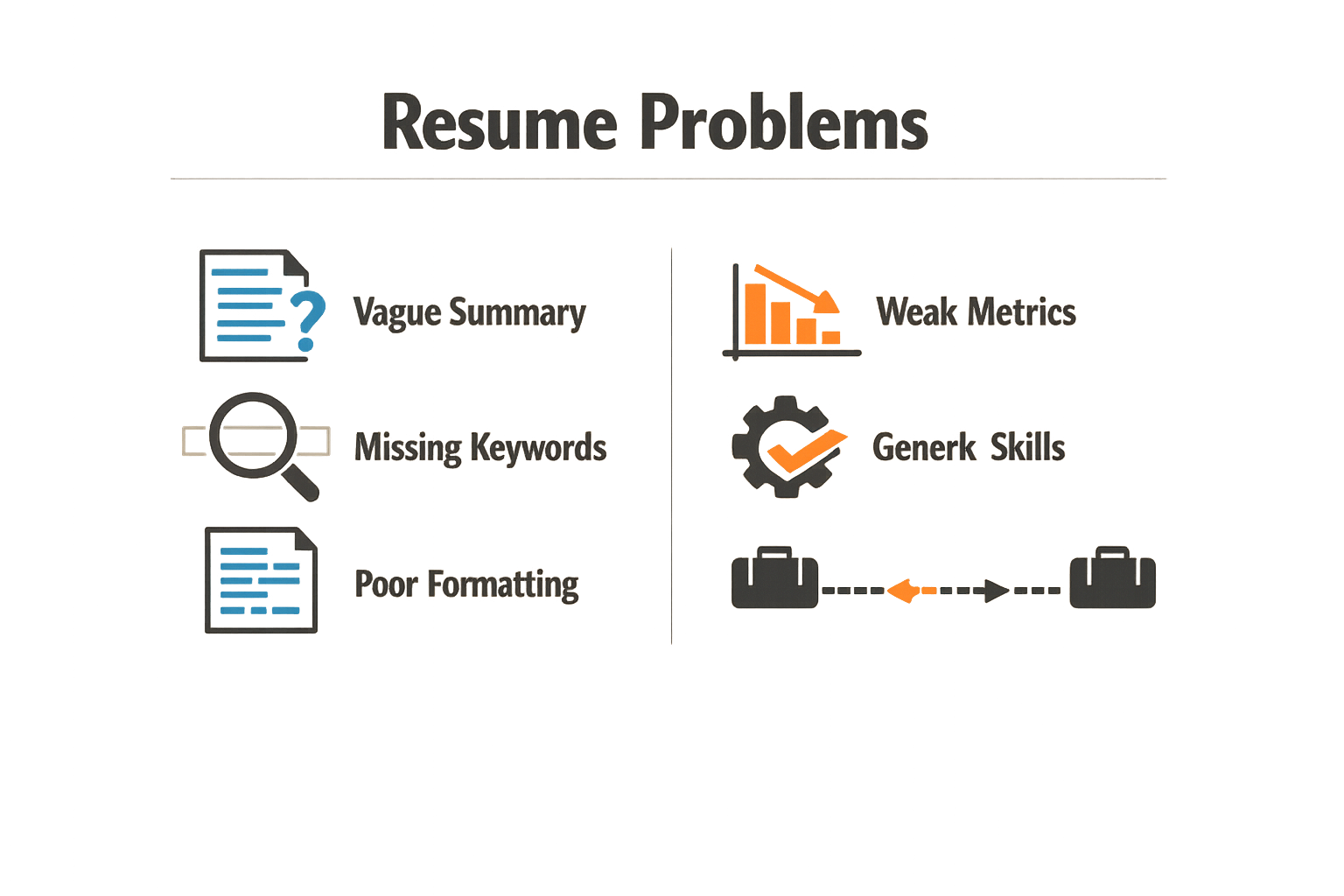
Most job seekers submit résumés into a black hole. You format carefully, tailor your bullet points, and hit submit — then silence. The fundamental problem isn't effort; it's that traditional résumé evaluation methods fail to measure what actually matters.
Research shows that factors like where you went to school, your GPA, and your highest degree earned didn't correlate with hiring success. The metrics we've been told to optimize turn out to be largely irrelevant. Meanwhile, traditional recruitment systems rely on manual review or simple keyword matching, both of which miss the skills and experience that predict job performance.
The Disconnect Between Scores and Reality
When résumés are scored, the results often run counter to how hiring actually works. A candidate with an impressive educational pedigree might score high on paper but lack the practical experience the role demands. Conversely, someone with hands-on expertise but a non-traditional background might be filtered out before a human ever reads their application.
This creates a clarity problem: job seekers don't know what constitutes a genuinely good score. Is a 92% résumé score meaningful if it's based on surface-level keyword density? Or would a lower score from a system that evaluates actual relevance be more valuable? Without transparency into how scores are calculated, candidates optimize for the wrong things.
Why Manual Evaluation Falls Short
Manual résumé screening is time-consuming and inconsistent. Recruiters spend seconds per résumé, making snap judgments based on formatting, school names, or job titles rather than substantive qualifications. This approach scales poorly and introduces bias — both conscious and unconscious — into the process.
The result is a system where neither candidates nor employers get what they need. Job seekers receive vague rejections with no actionable feedback. Hiring teams miss strong candidates because their résumés didn't trigger the right pattern-matching heuristics. An honest résumé score would measure alignment with actual job requirements, not superficial markers.
The Real Cost of Unclear Standards
When you don't know what makes a résumé score honest, you waste time on cosmetic improvements. You might obsess over font choices or add skills you barely understand, hoping to game an algorithm you can't see. Meanwhile, the substantive work — clarifying your impact, quantifying results, and aligning your experience with employer needs — gets neglected.
The lack of clarity also breeds cynicism. After enough rejections from roles you're qualified for, it's tempting to assume the system is arbitrary. In many cases, that assumption is correct: opaque scoring mechanisms reward résumé optimization over genuine fit.
Solution Steps to Achieve an Honest Résumé Score
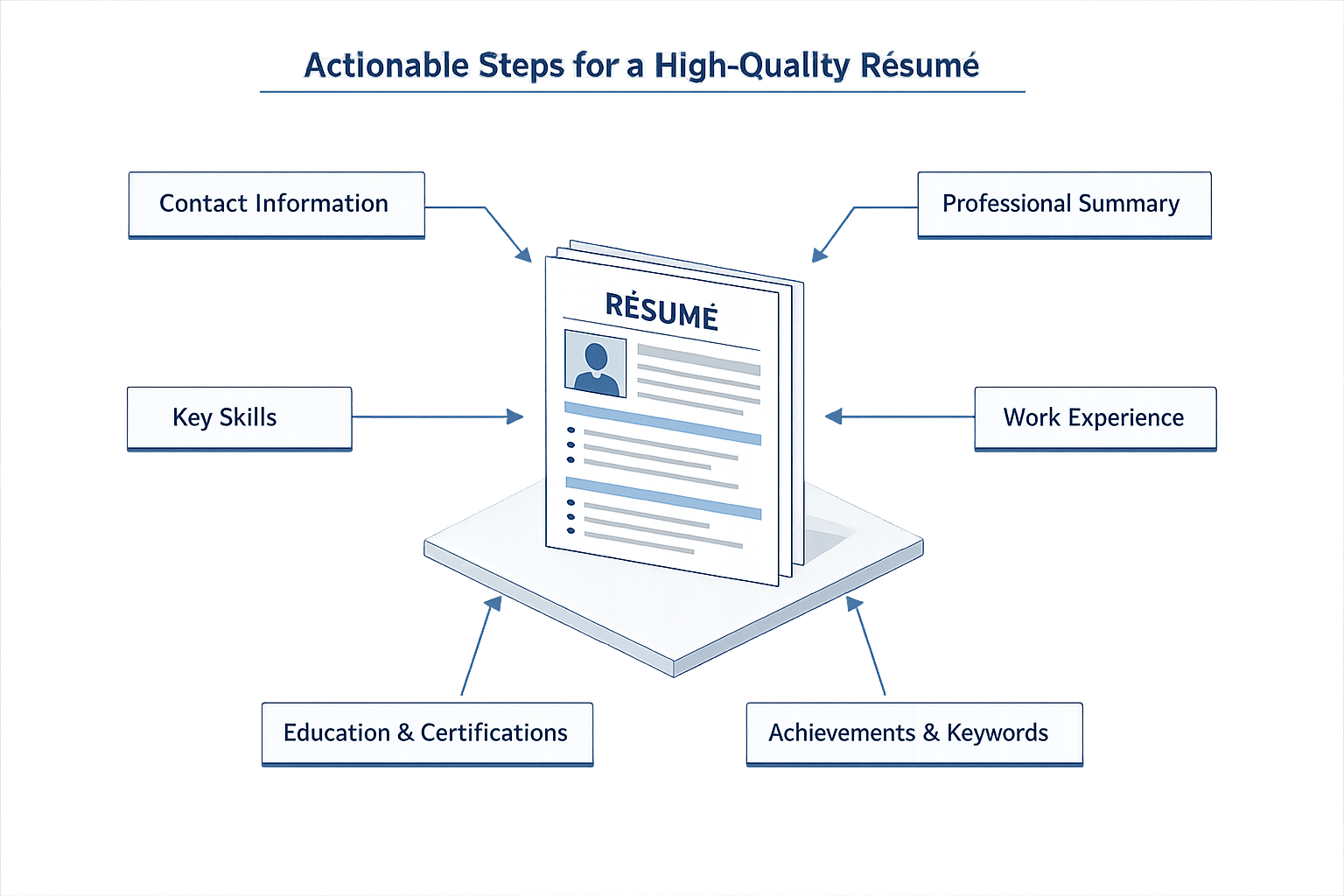
Building a résumé that earns an honest, meaningful score requires a structured approach. Rather than chasing inflated numbers, focus on creating a document that automated systems can parse accurately and recruiters can evaluate quickly. The steps below guide you through optimizing your résumé for both technical screening tools and human decision-makers.
Step 1: Establish a Clean, Hierarchical Structure
Start with a straightforward layout that avoids complex formatting. Use standard section headings like "Professional Experience," "Education," and "Skills." Avoid tables, text boxes, headers, footers, and columns — these elements interfere with automated parsing systems that extract information from your résumé. Stick to a single-column design with consistent font sizes and clear visual hierarchy.
Automated screening systems rely on hierarchical structure to identify and categorize your qualifications. When your résumé follows a predictable pattern, extraction algorithms can accurately map your experience to job requirements. This foundational step ensures your content reaches both the scoring engine and the recruiter's desk intact.
Step 2: Align Your Content with the Target Job Description
Every job posting contains specific keywords, required skills, and qualification phrases. Read the description carefully and identify the core competencies the employer seeks. Then mirror that language in your résumé where truthful and relevant.
Create a side-by-side comparison: job requirements on one side, your matching experience on the other. For each required skill or qualification, write a bullet point that demonstrates your proficiency. Use the exact terminology from the posting when it accurately describes your background — if they ask for "project management," don't substitute "initiative leadership."
This alignment process directly improves how automated systems score your résumé against the job description. Tools that analyze keyword gaps will flag fewer missing elements when your language matches the employer's vocabulary. For more on how recruiters evaluate this alignment, see our guide on ATS Résumé Format: What Recruiters Actually Look For.
Step 3: Quantify Achievements with Measurable Outcomes
Vague statements like "responsible for team management" provide little signal to either automated systems or human readers. Replace responsibility-focused language with outcome-focused metrics. Specify the scale of your work, the results you delivered, and the impact you created.
Review each bullet point in your experience section. Ask: What was the scope? What changed as a result of my work? How much, how many, or by what percentage? Transform "Managed customer service operations" into "Managed customer service team of 12, reducing average response time from 48 hours to 6 hours and improving satisfaction scores by 23%."
Quantified achievements give scoring systems concrete data points to evaluate. More importantly, they provide recruiters with evidence of your capabilities rather than claims about your responsibilities.
Step 4: Optimize for Natural Language Processing
Avoid excessive abbreviations, unexplained acronyms, or industry jargon that may not be universally recognized. When you must use specialized terms, provide context on first use. This practice improves both automated parsing and human comprehension.
Step 5: Test and Refine Based on Feedback
Once you've structured your résumé, run it through available analysis tools to identify gaps between your content and typical job requirements in your field. These tools can highlight missing keywords, formatting issues that hinder parsing, or sections that lack sufficient detail.
Submit your résumé to a scoring or analysis tool that compares it against job descriptions. Review the feedback for specific gaps — not just an overall score. If the tool flags missing technical skills that you actually possess, add them. If it identifies formatting problems, simplify your layout. Treat the analysis as a diagnostic, not a final judgment.
The goal is continuous improvement toward a résumé that accurately represents your qualifications in a format that both systems and people can evaluate fairly. An honest résumé score reflects this alignment — it's a measure of how well your document communicates your fit for the role, not a grade on your worth as a candidate.
Tips and Tricks for Improving Your Résumé Score
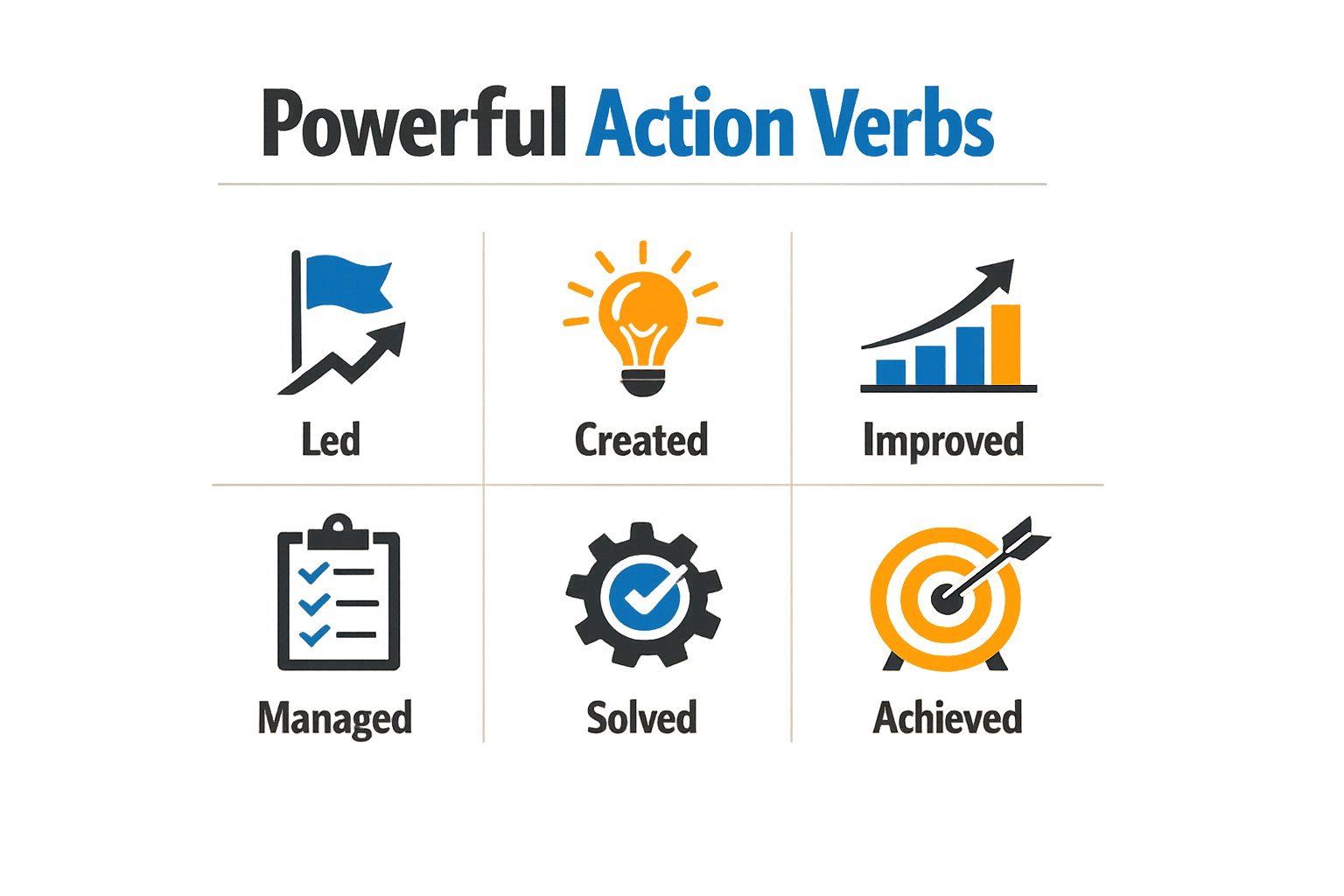
Once you understand what drives an honest résumé score, the next step is applying proven techniques that make your document stand out. These tips focus on clarity, specificity, and strategic presentation—elements that matter when a recruiter spends only seconds scanning your résumé.
Optimize Your Summary Section
Your summary or "About" section occupies prime real estate at the top of your résumé. Many candidates waste this space on generic phrases like "passionate self-starter" or "detail-oriented team player." Instead, use this section to state the two or three most impressive things about you in plain English. If you increased revenue by a specific percentage, led a team of a certain size, or built a product that achieved measurable results, say it directly. Recruiters appreciate clarity over buzzwords.
Use Concrete Specifics in Your Accomplishments
Vague action verbs like "revitalized," "publicized," or "managed" tell a recruiter very little about your actual impact. For each bullet point under your work experience, ask yourself: What exactly did I do, and what did it result in? Replace general statements with specific outcomes. Instead of "improved customer satisfaction," write "reduced average response time from 48 hours to 6 hours, increasing customer satisfaction scores by 22%." Numbers, timelines, and measurable results give your résumé credibility.
When you include concrete details, you help employers understand the scope and significance of your work. This specificity directly improves your honest résumé score because it demonstrates real value rather than abstract claims.
Get Multiple Proofreaders
Your résumé is not a document you write on the spot—it's something you have every opportunity to refine. Before submitting your résumé, have at least two people proofread it. Fresh eyes catch typos, awkward phrasing, and formatting inconsistencies that you might miss after staring at the same document for hours. Proofreading signals professionalism and attention to detail, both of which influence how recruiters perceive your candidacy.
For additional guidance on formatting that passes both human and automated review, see our guide on ATS Résumé Format: What Recruiters Actually Look For.
A résumé isn't something you write on the spot—it's a document you have every opportunity to improve.
Focus on Highlights, Not Everything
The longer your résumé, the less likely a recruiter is to see the parts you want them to notice. During the initial scan—which lasts about 20 seconds—do you want the recruiter reading about every minor task you've ever performed, or do you want them seeing your biggest wins? Prioritize accomplishments that align with the role you're applying for. Remove outdated or irrelevant experience that dilutes your message.
A focused résumé makes it easier for recruiters to identify your strengths quickly, which improves both your score and your chances of landing an interview.
Polish When You Already Look Good on Paper
If your résumé already includes strong brands, impressive titles, or notable achievements, polishing can be especially effective. Fine-tuning bullet points, adjusting formatting, and ensuring consistency in style can elevate a good résumé to a great one. However, if your foundational experience is weak, no amount of polishing will compensate. Focus first on building substantive accomplishments, then refine how you present them.
Conclusion
An honest résumé score isn't about achieving perfection or gaming automated systems—it's about submitting a document that reflects your true abilities and accomplishments with clarity and pride. Throughout this walkthrough, we've examined what real résumé evaluation looks like: the impact of typos and grammatical errors, the importance of measurable achievements, and the need for consistent formatting that helps reviewers quickly understand your value.
The strongest predictor of success isn't inflated language or keyword stuffing. It's the fundamental quality of your presentation: error-free writing, clear descriptions of what you accomplished, and a structure that respects the reader's time. When you submit your résumé, you're making a declaration about your capabilities—make sure that declaration is honest and well-executed.
Rather than retreating into endless rounds of bullet-point polishing, focus on the elements that truly matter: eliminate every typo, quantify your contributions where possible, and ensure your formatting is clean and consistent. For a deeper look at what actually passes initial screening, see our guide on ATS Résumé Format: What Recruiters Actually Look For.
Take action now: review your current résumé against the criteria we've discussed, address any gaps or errors, and submit a document that genuinely represents your best work. An honest résumé score starts with honest effort—and that effort pays off in interviews that match your actual skills.
Learn what an honest résumé score looks like and how to improve your résumé with this real walkthrough guide.
Sources(13)
- Applicant Tracking Systems and Resume Analysis
- Resume Screening and Candidate Matching
- Resumes suck. Here's the data.
- resume-screening
- Interviewing — iio-60b9f5fff288fda3
- Interviewing — iio-330a60b6decc6619
- john-cronin (practitioner_guidance)
- aam-6b92eda0fc4c8655 (practitioner_guidance)
- aam-da5ad36da22f982a (practitioner_guidance)
- iio-067fab5c4586bd19 (practitioner_guidance)
- iio-9fa7c401faafb2a1 (practitioner_guidance)
- iio-49579e250d8bb89b (practitioner_guidance)
- clar-2ababacc967fcca8 (practitioner_guidance)
Written by
Resume Coach Team
Published October 19, 2026 · 11 min read
Want this kind of read on your résumé?
We'll tell you what's actually working, what's holding you back, and what to fix — in plain English.
Get My Job Match ScoreYou Might Also Like
More articles to help you advance your career

ATS Meaning Resume: Understanding ATS and What Applicant Tracking
Learn what ATS meaning resume entails and how Applicant Tracking Systems work in 2026 to streamline your hiring process and recruitment workflows.

Why a Generic Cybersecurity Resume Won't Work and What Will
Discover why a generic cybersecurity resume won't cut it and learn how to tailor your application for success in the tech industry.

Free ATS Resume Checker: What's Useful and What's Not
Discover what Free ATS Resume Checker tools can and can't do. Learn which features actually help optimize your resume for applicant tracking systems.

What the ATS Resume Checker Actually Checks in 2025
Learn what an ATS resume checker actually checks and what it overlooks, helping you craft a resume that passes automated screening systems.