



Truck Driver Resume: CDL Class, Endorsements and Miles
Discover why a generic Truck Driver Resume won't work and learn how to create a tailored resume that meets industry standards and gets results.
 John Cronin
Introduction
Having spent 25 years in talent acquisition, I've learned that a generic resume simply won't cut it, especially in specialized fields like truck driving. Whether I was hiring machine learning engineers at Meta or screening candidates at Imgur, one truth remained constant: tailored resumes get results, while generic ones get lost in the pile.
The trucking industry has changed. Carriers are more selective than they were five years ago, and a CDL alone no longer guarantees a callback. Today's hiring managers expect resumes that speak directly to their needs—safety records, endorsements, route experience, and compliance knowledge all matter. Yet most truck driver resumes look identical: a list of jobs, a CDL number, and a vague "hardworking and reliable" summary.
Here's the problem: 91% of companies now use Applicant Tracking Systems to filter resumes before a human ever sees them, and most truck driver resumes score below 36% on these systems. That means your application is likely being rejected automatically, not because you lack qualifications, but because your resume wasn't built to pass the filter. Understanding how ATS reads resumes can give you a significant edge in this competitive landscape.
This guide will show you why the one-size-fits-all approach fails and what you need to do instead. You'll learn how to customize your truck driver resume for each application, highlight the skills that matter most, and format your document so it passes both the software and the recruiter's quick scan. By the end, you'll have a clear roadmap to building a resume that actually works in today's market.
Understanding the Truck Driver Resume
A truck driver resume isn't just a list of jobs you've held—it's a compliance document and a safety record rolled into one. Unlike resumes in other fields, yours must prove you're legally allowed to operate commercial vehicles and that you've done so without incident. Hiring managers in trucking scan for specific certifications, endorsements, and measurable performance metrics that generic templates simply don't address.
What Makes a Truck Driver Resume Different
Your resume needs to answer three questions immediately: What can you drive? How safely have you driven it? And are you ready to start tomorrow? That means leading with your CDL class, endorsements, and DOT compliance status. A recruiter should know within five seconds whether you hold a Class A license with hazmat endorsement or a Class B with passenger certification. These aren't nice-to-have details—they're gate criteria that determine whether your application moves forward.
The equipment you've operated and the annual mileage you've logged matter more than vague statements about "transportation experience." Specificity wins. If you've driven refrigerated trailers across 48 states and logged 100,000 accident-free miles annually, that belongs in the opening summary. If you've maintained a clean Motor Vehicle Record (MVR) for five years, lead with it. These data points prove reliability in a way that soft skills never will.
Core Components That Can't Be Optional
Every truck driver resume must include a reliability-focused summary, your CDL class and endorsements prominently displayed, and a clean driving record or MVR statement. The experience section should use quantified bullets—routes driven, cargo types handled, on-time delivery percentages. A dedicated skills section should list equipment types (flatbed, tanker, dry van) and compliance knowledge (HOS regulations, ELD systems). Education or CDL training credentials come next, followed by certifications like your current DOT medical card.
Many candidates bury their CDL information in a certifications section at the bottom. That's a mistake. Your license class and endorsements should appear in the header or summary, right below your contact information. Recruiters often filter applications by license type before reading a single bullet point. If they have to hunt for your credentials, they won't. For more insights on how automated systems process resumes, see How ATS Reads Resumes: The Ultimate Guide to Surprising Success.
The unique requirements of a truck driver resume reflect the unique demands of the job. You're not selling potential—you're proving you're already qualified, insured, and road-ready. That shift in focus changes everything about how you structure and present your experience.
Why Generic Resumes Fail
A one-size-fits-all resume might seem efficient, but in the trucking industry it's a fast track to the rejection pile. Larger carriers run every application through applicant tracking systems that filter for specific keywords—CDL class, endorsements, safety records. If your resume doesn't speak the language of the job posting, the software never forwards it to a human. Smaller operations take a different approach: a dispatcher or hiring manager reads every page personally, looking for proof you understand their routes, equipment, and compliance demands.
Generic Language Gets Ignored
Vague phrases like "responsible for deliveries" or "good communication skills" tell a recruiter nothing. They want to see concrete details: the types of loads you've hauled, the regions you've covered, your clean DOT inspection record. When you rely on soft skills and boilerplate descriptions, you blend into a stack of identical applications. The resume that stands out is the one that mirrors the employer's exact requirements and demonstrates you've done the homework.
The ATS Barrier
Applicant tracking systems are unforgiving. They scan for CDL classifications, endorsement codes (Hazmat, Tanker, Doubles/Triples), and compliance certifications. A generic resume that lists "truck driving experience" without specifying Class A or Class B, or that buries your endorsements in a paragraph, simply won't register the right flags. Understanding how ATS reads resumes can help you structure your document so the software recognizes your qualifications before a human ever sees it.
Meanwhile, smaller carriers without ATS still expect precision. A dispatcher reviewing twenty resumes wants to know immediately whether you've driven their type of rig, handled their cargo, and stayed current on hours-of-service rules. Generic statements waste their time and signal you haven't tailored your application to their operation.
Missing the Mark on Employer Expectations
Every trucking company has different priorities. A long-haul carrier cares about your ability to manage multi-day routes and maintain logs. A regional delivery outfit wants proof of tight scheduling and urban navigation. A specialized hauler needs endorsements and experience with oversized loads or refrigerated freight. When you submit the same resume to all of them, you're telling each employer that you don't care enough to address their specific needs.
Generic resumes also fail to highlight what sets you apart. Two drivers with similar years of experience can have wildly different safety records, fuel efficiency metrics, and on-time delivery rates. If you don't call out those differentiators, the hiring manager has no reason to pick you over the next candidate.
Key Elements of a Successful Truck Driver Resume
A truck driver resume that gets callbacks shares a handful of non-negotiable components. Recruiters scan first for a clean CDL and a verifiable record: a valid Class A CDL, endorsements like Hazmat, Tanker, and Doubles/Triples, and a safe driving history. Miss one of these elements and the resume lands in the "maybe later" pile—which usually means never.
CDL Class and Endorsements
Your CDL class belongs at the top, either in the header or the opening summary. List every endorsement you hold—Hazmat, Tanker, Doubles/Triples—because each one signals specialized capability. Recruiters look for this information within the first three seconds of opening your resume. If they have to hunt for it, they won't.
Clean Driving Record and MVR Statement
A clean Motor Vehicle Record is the price of entry. State your accident-free mileage directly: "250,000+ accident-free miles" or "Five years, zero preventable incidents." This line reassures the recruiter that you won't spike their insurance premiums. If your record has a blemish, acknowledge it briefly in a cover letter—but only if asked. On the resume itself, lead with your clean years.
Resumes that move past the safety screen share three things: CDL class and endorsements in the header, verifiable safe miles by year, and a clean MVR statement. These elements answer the recruiter's first question: "Can I trust this driver with my equipment and cargo?"
DOT Compliance and Medical Certification
Include your DOT medical card status—"Current DOT medical card, valid through [date]"—in the certifications section. Compliance signals professionalism and saves the recruiter a follow-up email. If you have additional certifications like defensive driving or Smith System training, list those too. They're tiebreakers when two candidates look equally qualified.
Equipment Type and Annual Mileage
Specify the equipment you've operated: 53-foot dry van, refrigerated trailer, flatbed, tanker. Pair each type with approximate annual mileage. For example, "Operated 53-foot dry van, 120,000 miles annually, cross-country routes." This level of detail helps recruiters match you to the fleet and route profile they're hiring for.
Step 1
Audit your current resume
Pull out your existing resume and check for these five elements: CDL class and endorsements, clean driving record statement, DOT medical card status, equipment types operated, and annual mileage. If any are missing, add them before you send another application.
Quantified Experience Bullets
Use numbers to describe your work. "Delivered 98% on-time rate over three years" beats "Responsible for timely deliveries." Quantified bullets prove reliability. They also pass the ATS screening test that many carriers use to filter applications.
Every bullet should answer: What did you do, how often, and what was the result? "Completed 45 weekly hauls, Northeast corridor, zero cargo damage claims" tells a complete story in one line.
Skills Section
Your skills section should mirror the job posting. If the ad mentions route planning, load securement, and electronic logging devices, those exact phrases should appear in your skills list. Don't invent skills you don't have, but do use the employer's language when you legitimately possess the capability.
A reliability-focused summary, your CDL credentials, a clean driving record, quantified experience, a targeted skills section, and current certifications—these six elements form the foundation of a resume that recruiters actually read.
Customization Tips for Truck Driver Resumes
Customizing your truck driver resume isn't about rewriting everything from scratch—it's about making strategic adjustments that speak directly to the carrier or fleet manager reading it. The difference between a resume that gets tossed and one that lands an interview often comes down to how well you've aligned your experience with what the employer actually needs.
Mirror the Job Posting Language
Many carriers use applicant tracking systems (ATS) that rank candidates based on keyword matches. If the posting asks for "hazmat endorsement" and you write "hazardous materials certification," the system may not connect the dots. Read the job description carefully and use the exact terms they use. If they mention "regional routes," "DOT compliance," or "flatbed experience," those phrases should appear in your resume where relevant.
Lead with Your Credentials
Your CDL, endorsements, and safety record are the first things a recruiter wants to see. Don't bury them in the middle of your resume. Put your CDL class, endorsements (tanker, doubles/triples, hazmat), and any clean driving record details right in your headline or summary section. A recruiter scanning dozens of resumes will notice "CDL-A | Hazmat & Tanker | 5 Years Accident-Free" immediately.
Focus on Outcomes, Not Just Duties
Anyone can list "delivered freight" or "maintained vehicle." What separates you is the measurable impact you had. Did you complete 98% of deliveries on time? Reduce fuel costs through better route planning? Maintain a perfect safety score over three years? Numbers prove your value. Instead of "Responsible for long-haul deliveries," write "Completed 200+ long-haul deliveries across 15 states with zero late arrivals over 18 months."
Step 1
Audit your bullet points
Go through each job entry and ask: Does this show what I did, or does it prove the result I delivered? If it's just a task, add a metric or outcome that demonstrates your reliability and skill.
Step 2
Tailor for the route type
If you're applying for a regional position, emphasize your knowledge of local DOT regulations and consistent home-time performance. For OTR roles, highlight your endurance, cross-country experience, and ability to manage long stretches independently.
Step 3
Update for each application
Don't send the same resume to every carrier. Spend five minutes adjusting your summary and top bullet points to reflect what each specific employer is looking for. It's a small investment that dramatically improves your response rate.
Understanding how ATS reads resumes can give you an edge in making sure your customized resume actually reaches a human recruiter.
Highlight Relevant Endorsements and Certifications
If the job requires specific endorsements or certifications, make sure they're easy to find. Create a dedicated "Licenses & Certifications" section near the top of your resume. Include expiration dates if they're current, and note any recent training like defensive driving courses or OSHA certifications. Carriers want to know you're ready to roll without additional training delays.
Keep It Honest and Specific
Customization doesn't mean inventing experience you don't have. If a posting asks for flatbed experience and you've only driven dry van, don't stretch the truth. Instead, emphasize transferable skills—load securement knowledge, attention to weight distribution, or your quick learning curve with new equipment. Recruiters can spot exaggeration, and it will cost you the job.
Highlighting Skills and Experience
When you're building a truck driver resume, the skills and experience sections are where hiring managers spend the most time. They're scanning for proof you can handle the job safely, efficiently, and professionally. Generic statements like "experienced driver" or "hard worker" tell them nothing. Instead, you need to show exactly what you've done and how well you've done it.
Lead with Your Most Relevant Skills
Start by listing the technical qualifications that matter most. Your CDL class, endorsements, and compliance certifications should appear near the top of your resume. Key skills for truck driver resumes include CDL Class A, DOT Compliance, ELD/E-Logs, Hazmat Endorsement, Load Securement, Pre-Trip Inspection, FMCSA HOS, Route Planning, Defensive Driving, and Freight Management. These aren't just buzzwords—they're the baseline requirements hiring managers look for when they filter candidates.
If you hold specialized endorsements like Tanker, Doubles/Triples, or Hazmat, call them out explicitly. Many companies use applicant tracking systems that search for these exact terms, so don't bury them in a paragraph. A clean bulleted list under a "Certifications & Endorsements" heading makes them easy to spot.
Quantify Your Experience
Numbers tell a story that adjectives can't. Instead of saying you "delivered freight across multiple states," show the scope of your work. An optimized resume should include specific achievements, such as "Completed 280+ OTR loads annually across 35 states, averaging 9,500 miles per month with a 98.5% on-time delivery rate." This level of detail gives hiring managers a clear picture of your workload, reliability, and geographic experience.
Your safety record is a valuable asset; quantifying accident-free miles and highlighting safety training or awards can significantly enhance your resume. If you've driven 500,000 miles without a preventable accident, say so. If you've completed defensive driving courses or earned a company safety award, include it. Safety is non-negotiable in trucking, and hiring managers want proof you take it seriously.
Structure Your Experience Section for Impact
For each previous role, use a consistent format: job title, company name, location, and dates. Then add 3-5 bullet points that describe your responsibilities and accomplishments. Focus on what you delivered, not just what you did. "Managed route planning and fuel optimization to reduce costs by 12%" is stronger than "Responsible for route planning."
If you've held multiple driving roles, tailor the bullet points to match the job you're applying for. Applying for a regional position? Emphasize your local route knowledge and customer delivery experience. Targeting long-haul OTR? Highlight your endurance, multi-state experience, and time management across long trips.
Don't Overlook Soft Skills
Truck driving isn't just about operating a vehicle. Communication, time management, and problem-solving matter too. If you've worked directly with dispatchers, warehouse teams, or customers, mention it. If you've handled unexpected delays, equipment failures, or route changes without missing delivery windows, that's worth including. These examples show you're adaptable and professional under pressure.
For more guidance on structuring your resume to pass applicant tracking systems, see our guide on How ATS Reads Resumes: The Ultimate Guide to Surprising Success.
The Importance of Formatting
A truck driver resume packed with the right experience can still land in the reject pile if the formatting makes it hard to scan. Recruiters spend seconds—not minutes—on each resume, and if they can't find your CDL class or safety record in that first glance, you've lost the opportunity. Clean, skimmable formatting isn't about aesthetics; it's about making sure your qualifications are visible the moment someone opens the file.
Why Formatting Affects Screening
Larger carriers run resumes through ATS keyword filters for CDL class and endorsements, while smaller shops have a dispatcher reading every page. Both scenarios demand clarity. An ATS can't parse a two-column creative layout or a scanned PDF with handwritten notes, and a dispatcher won't dig through dense paragraphs to find your hazmat endorsement. Your resume needs to work for software and humans alike.
Ensure your resume includes sections on driving experience, license class, routes, and safety record in a skimmable, ATS-friendly format. Each section should have a bold header, consistent spacing, and bullet points that start with the most important detail. If you're listing routes, lead with the mileage or freight type; if you're listing endorsements, put the class (A, B) and the endorsement code (H, N, T) right at the start of the line.
Practical Formatting Choices
Stick to standard fonts—Arial, Calibri, Times New Roman—in 10- to 12-point size. Avoid tables, text boxes, headers, and footers; ATS software often skips or mangles those elements. Use consistent bullet formatting (round or square, not mixed), and leave white space between sections so the page doesn't look like a wall of text. A one-page resume is ideal for drivers with under ten years of experience; two pages are acceptable if you have extensive long-haul or specialized freight history, but the second page must justify itself with concrete details, not filler.
For more insights on how automated systems process resumes, see How ATS Reads Resumes: The Ultimate Guide to Surprising Success.
Formatting is the infrastructure that carries your qualifications into the recruiter's hands. Get it right, and your experience speaks for itself; get it wrong, and no one will ever read past the first line.
Real-World Examples of Effective Truck Driver Resumes
Looking at what actually works is more useful than theory. The resumes that land interviews share specific patterns: they lead with numbers, they show compliance history, and they make safety records impossible to miss. Here's what effective truck driver resumes look like in practice.
Example One: The OTR Veteran
An effective resume structure starts with quantifiable achievements. A strong candidate might open with verified OTR miles and a clean safety record front and center. Instead of "Experienced long-haul driver," the resume states "Logged 1.2M verified OTR miles over 8 years with zero preventable accidents and 100% on-time delivery rate." That's the difference between a resume that gets skimmed and one that gets a callback.
The body of this resume breaks down experience by employer, but each bullet focuses on outcomes: "Maintained DOT compliance across 47 states," "Completed 850+ loads with zero cargo damage claims," "Renewed HazMat endorsement on schedule for six consecutive cycles." Every line answers the question a dispatcher is asking: can this person do the job without creating problems?
Step 1
Lead with verified metrics
Put your total verified miles, years holding your CDL, and safety record in the first three lines. If a recruiter sees "500K miles, CDL Class A (8 years), zero accidents" before they see your name, you've already passed the first filter.
Example Two: The Compliance-First Driver
Another strong resume example centers on CDL maintenance and endorsement history. One candidate demonstrated maintaining a CDL Class A for over 8 years with continuous compliance and timely renewal of all endorsements. This isn't flashy, but it tells a hiring manager exactly what they need to know: this driver understands that the license is the job, and letting it lapse is not an option.
This resume also includes a dedicated "Certifications & Endorsements" section listing each endorsement with the issue and expiration dates. It's a small detail, but it saves the recruiter from having to ask for documentation later. The Account Manager Resume Template: The Ultimate Stress-Free Guide uses a similar approach for certifications—make verification easy, and you remove friction from the hiring process.
What These Examples Have in Common
Both resumes avoid vague claims. Neither says "safe driver" or "reliable professional"—they prove it with miles, years, renewals, and incident-free records. They format for quick scanning: bold section headers, short bullets, and numbers that jump off the page. And they anticipate the recruiter's next question: "Can I verify this?" by including employer names, dates, and specific endorsement details.
The pattern is consistent: specific beats general, verified beats claimed, and compliance history beats personality descriptors. If your resume doesn't look like these examples, you're making the recruiter work too hard to see your value.
Final Tips and Recommendations
You've learned why generic resumes fail and how to build a truck driver resume that stands out. Now it's time to pull it all together with a few final recommendations that will give you the edge in a competitive market. The trucking industry is growing—with over 237,000 annual openings projected through 2034—so positioning yourself correctly matters more than ever.
Proofread Like Your Career Depends on It
A single typo can sink an otherwise strong resume. Recruiters scan hundreds of applications, and errors signal carelessness—a trait no hiring manager wants in a driver responsible for expensive equipment and tight delivery schedules. Read your resume aloud, use spell-check, and ask a friend to review it. Fresh eyes catch mistakes you've looked at too many times to see.
Tailor Every Time
Never send the same resume to multiple employers without adjusting it. If a company emphasizes safety, lead with your clean driving record and safety certifications. If they focus on long-haul efficiency, highlight your route optimization experience and fuel management skills. This isn't about fabricating qualifications—it's about reordering your strengths to match what each employer values most.
Keep It Current
Update your resume every time you earn a new certification, complete additional training, or gain experience with new equipment. Don't wait until you're actively job hunting. A current resume is also useful for internal promotions, insurance documentation, or unexpected opportunities that arise when you're not looking. The median wage for truck drivers sits around $55,990, with 5% job growth projected through 2033—staying competitive means staying current.
Leverage the Right Tools
Many companies use applicant tracking systems to filter resumes before human eyes ever see them. Understanding how ATS reads resumes can help you format your document for maximum visibility. Use standard fonts, avoid complex graphics, and include keywords from the job posting in a natural way.
The best resume isn't the fanciest—it's the one that makes the recruiter's job easier by clearly showing you're qualified for the specific role they need to fill.
Follow Up Strategically
After submitting your resume, wait three to five business days, then send a brief follow-up email. Reference the position, restate your interest, and mention one key qualification that makes you a strong fit. This shows initiative without being pushy. Most candidates never follow up, so this simple step sets you apart.
Conclusion
A generic truck driver resume won't get you the job you want. Throughout this guide, we've shown why customization matters—from understanding what hiring managers actually look for to highlighting the skills that separate you from dozens of other applicants. Your safety record, certifications, and specialized endorsements aren't just bullet points; they're proof you can do the job safely and efficiently.
Having spent 25 years in talent acquisition, I've learned that whether you're hiring machine learning engineers or truck drivers, the principle stays the same: specificity wins. The drivers who land interviews are the ones who tailor their resumes to each company's needs—mentioning the exact equipment they've operated, quantifying their accident-free miles, and aligning their experience with the job description. Just as I increased qualified candidate pipelines by 50% through targeted strategies at Imgur, you can dramatically improve your odds by treating each application as its own project.
Your resume is your first conversation with a potential employer. Make it count by including the certifications they require, the skills they value, and the safety record they need to see. Format it cleanly so hiring managers can scan it in seconds. And remember: the goal isn't to list everything you've ever done—it's to show you're the right driver for this specific role.
If you're looking for more guidance on crafting effective resumes across different industries, check out our Recruiter Resume Template: The Ultimate Guide to Best Results for additional strategies that translate across fields. The fundamentals of strong resume writing—clarity, relevance, and proof of results—apply whether you're behind the wheel or behind a desk.
Take the time to customize. The extra hour you spend tailoring your truck driver resume could be the difference between another rejection and the job that changes your career.

Written by
John Cronin
Published September 5, 2026 · 20 min read
John Cronin is a talent-acquisition leader with 25 years in recruiting, most recently as a Principal Technical Recruiter at Meta hiring machine-learning and AI engineers. He has been a founding recruiter at GoPro and Chipper Cash and led talent acquisition at Imgur. He writes about what recruiters actually do with your resume.
Want this kind of read on your résumé?
We'll tell you what's actually working, what's holding you back, and what to fix — in plain English.
Get My Job Match ScoreYou Might Also Like
More articles to help you advance your career

ATS Résumé Format: What Recruiters Actually Look For
Learn about ATS Résumé Format and what recruiters look for to optimize your job application and pass automated screening systems.
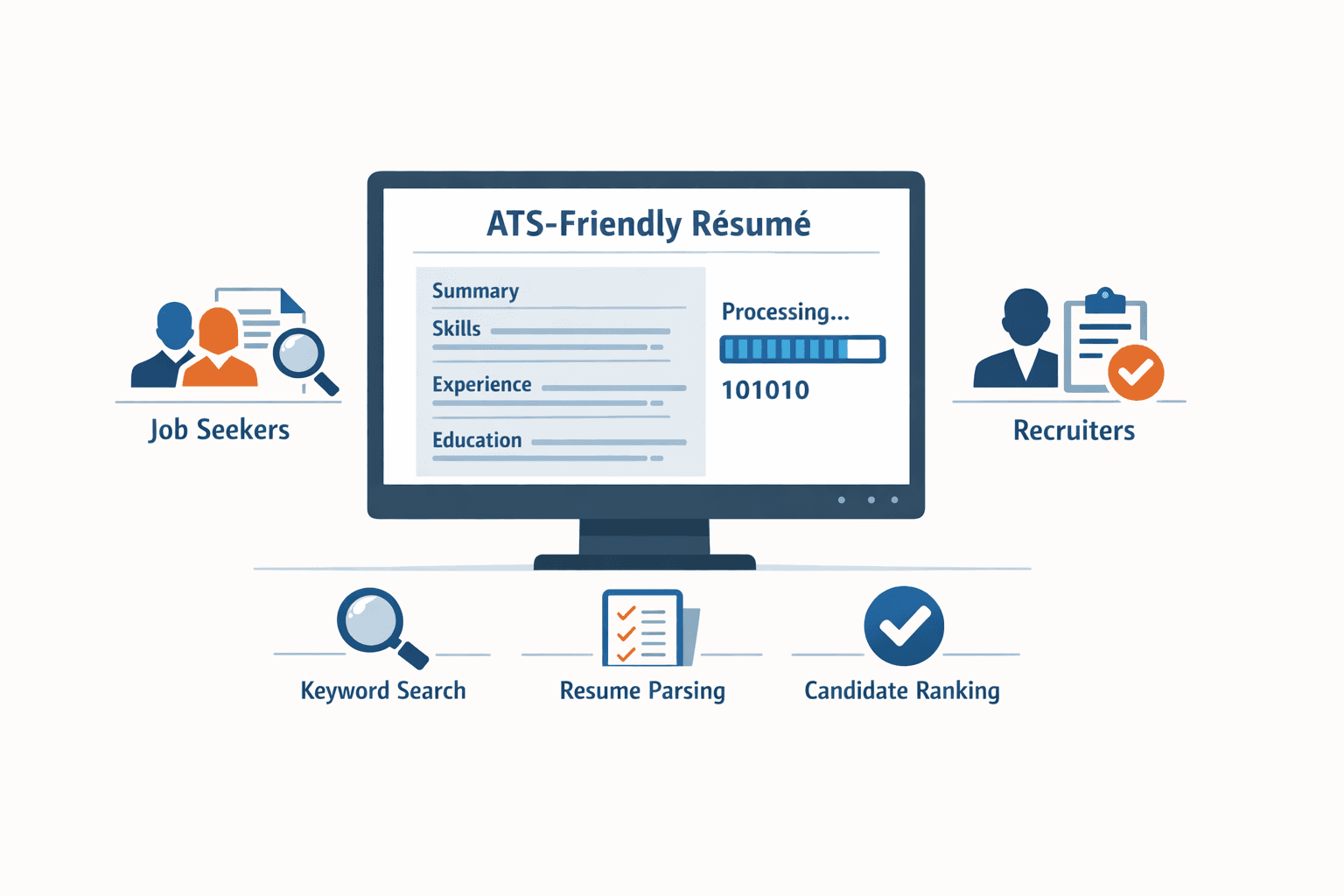
What Is an ATS-Friendly Resume? A Definition for Job Seekers
Learn what an ATS-Friendly Résumé is and how to create one that passes applicant tracking systems and meets recruiters' standards.

Honest Resume Score: Why I'd Prefer a 35% Score Over a 92%
Learn why an honest resume score of 35% can be more valuable than a 92% score in certain contexts.

Software Engineer Resume: What Gets Past the Screen
Software Engineer Resume guide reveals best practices for creating an effective, tailored resume that stands out to hiring managers and recruiters.