
What Hiring Managers Actually Look for in Resume Skills Sections
 John Cronin
Introduction
Resume skills sections are what hiring managers look for when they need a quick answer: "Does this person know Python?" or "Have they used Salesforce?" In my 25 years screening candidates, I've watched hundreds of resumes get tossed because the skills section was either a jargon dump or so generic it said nothing at all. The truth is, hiring managers don't read resumes the way you think they do — they skim, they scan for keywords, and they decide in seconds whether you're worth a closer look.
Most candidates treat the skills section like a catch-all: throw in every buzzword, every soft skill, every tool they've touched once. That approach backfires. Hiring managers know the difference between a real skill and a resume filler, and when your list runs two lines longer than your actual work history, it raises red flags instead of interest.
The good news is that a well-built resume skills section does real work. It surfaces the hard skills — the software, the languages, the certifications — that prove you can do the job. It gives the recruiter a fast answer without forcing them to hunt through paragraphs of job descriptions. But only if you build it right.
In this guide, I'll walk you through what hiring managers actually look for in resume skills sections, why the common mistakes kill your chances, and how to structure yours so it works for you instead of against you. If you've ever wondered whether your skills section is helping or hurting, you're about to find out. For a deeper look at how resume screening works behind the scenes, see Understanding ATS and What Applicant Tracking Systems Do in 2026.
What Makes Resume Skills Sections Fail?
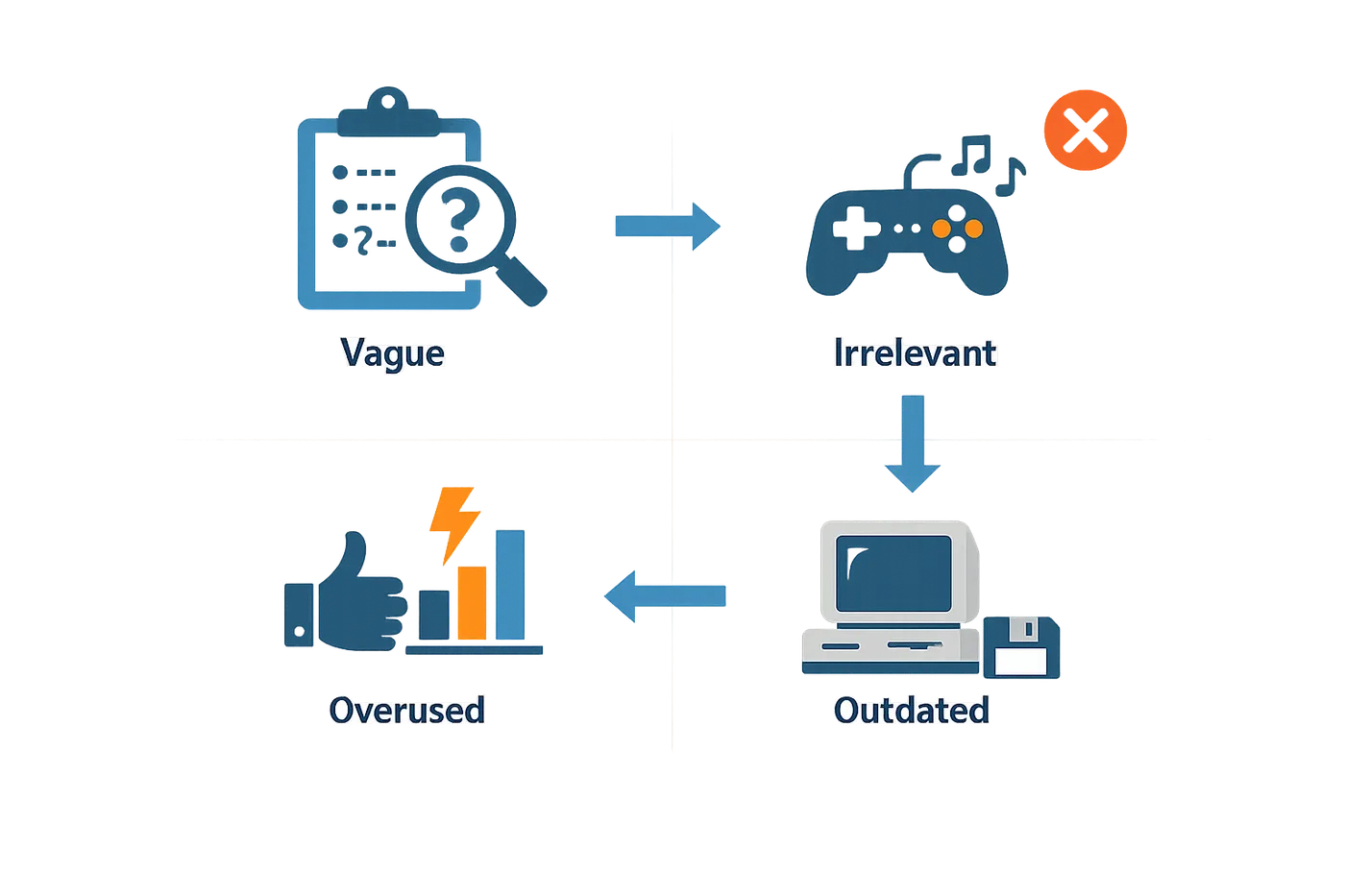
Most candidates treat the skills section like a checklist — a place to dump every tool they've touched and every soft skill they think sounds good. The result is a block of text that hiring managers either skip entirely or scan for thirty seconds before moving on to what actually matters: your work history.
I've reviewed thousands of resumes where the skills section lists Microsoft Word, "excellent communication," and "works well independently and in groups." None of that tells me anything. Anyone can claim those things. When I'm screening fifty resumes for a single role, I'm looking for evidence, not declarations.
Why Generic Skills Sections Fail
The problem starts with the assumption that listing a skill is the same as proving you have it. It's not. Saying you're "detail-oriented" doesn't convince me you are. Listing "Python" doesn't tell me whether you wrote one script in a bootcamp or architected production systems for two years.
When resume skills sections include generic entries like proficiency in common software or vague personality traits, they become noise. I'm not going to remember that you listed "video editing" in a bullet point at the top of your resume when I get to the interview. If it mattered, it should have been in the job description where you actually used it.
The Track Record Problem
Beyond the noise, there's a deeper issue: hiring managers want a track record of success, not just a list of things you've done. If you worked on a project that failed, listing the skill you used doesn't help your case. If you used a tool once in a side project, that's not the same as using it to deliver results in a professional setting.
The skills section can't carry that context. It's a flat list. When I need to know whether you can do the job, I'm reading your work history to see what you accomplished, not scanning a keyword dump to see if you checked the right boxes. For more on how ATS systems actually process these sections, the reality is less dramatic than most candidates think.
Why It's Crucial to Get It Right
The stakes are simple: if your resume skills section is full of filler, I assume the rest of your resume might be too. If you're listing skills that don't connect to your actual work, I wonder whether you understand what the role requires. And if you're relying on that section to convey something important about your candidacy, you're betting on a part of the resume that most hiring managers either skim or skip.
Getting resume skills sections right means understanding what they can and can't do. They can surface relevant technical skills that align with the job description. They can't prove you're good at your job — that's what your accomplishments are for. The fix isn't to make the section bigger or flashier. It's to make it useful, or in many cases, to move the important information out of it entirely.
How to Build Resume Skills Sections That Work
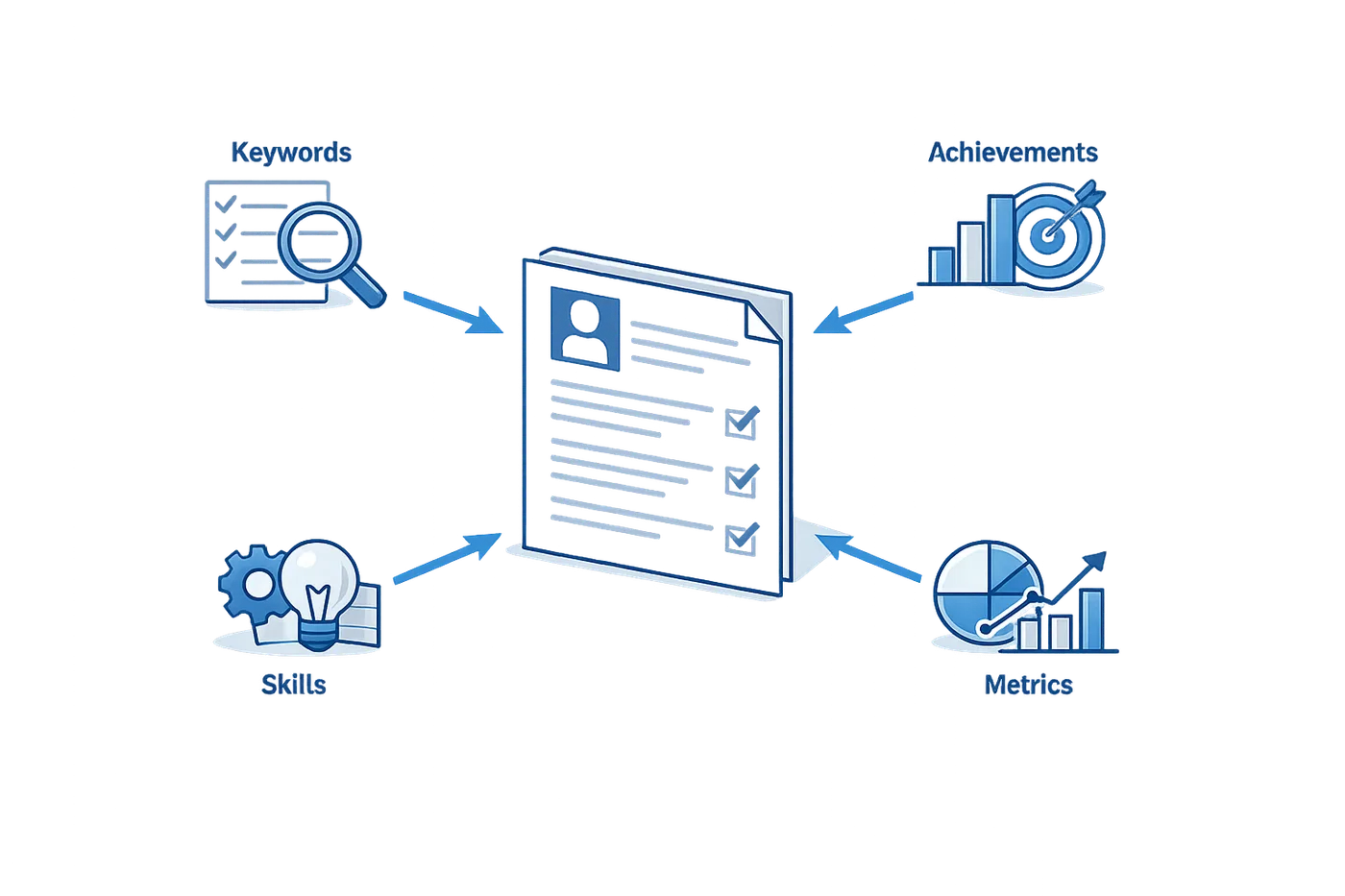
Here's how to fix a skills section that isn't working — or build one that will.
Step 1
Strip out subjective self-assessments
Delete anything that sounds like a personality trait: "detail-oriented," "team player," "works well independently and in groups," "strong communication skills." Hiring managers ignore these because anyone can claim them. If you're truly detail-oriented, your work history will show it — you don't need to announce it.
Step 2
Keep only hard skills that distinguish you
Your resume skills section should list technical abilities that are relevant and non-obvious. Software platforms, programming languages, certifications, specialized tools — these belong. Microsoft Word does not. If everyone in your field uses it, it's not distinguishing. If it's a skill that sets you apart or matches a requirement in the job posting, keep it. Everything else goes.
Step 3
Move your best skills into your work history
Don't just list a skill — show what you accomplished with it. Instead of "video editing" in a resume skills section, write a bullet under the relevant job: "Edited 40+ product videos for social channels, increasing average watch time 22%." Frame the skill in terms of results. That's what gets remembered.
Step 4
Rename the section if you keep it
If you decide to retain a separate skills block, call it "Skills" or "Technical Skills." Do not use "Core Competencies" — it's jargon that makes eyes glaze over. Simple, clear labels win.
Step 5
Put work experience first
Your resume skills section should never push your work history below the fold. Employers care most about what you've done and where you've done it. If your resume buries that information under a long skills list, an objective statement, or other preamble, you're losing attention before you earn it. Work experience comes first (unless you're in a field where a different structure is standard and you know it).
Making Skills Count in an ATS World
Applicant tracking systems parse resume skills sections, but they also parse your entire resume. A skill mentioned once in a standalone list carries less weight than a skill woven into multiple job descriptions with context and outcomes. If you're worried about keyword matching, the solution isn't a longer skills section — it's better integration of relevant terms throughout your work history.
Many candidates treat resume skills sections as a safety net: "If I list everything, something will stick." That's backward. Hiring managers skim or skip bloated skills lists entirely. A tight, relevant set of hard skills signals focus. A sprawling list signals desperation or lack of editorial judgment. For more on how systems evaluate your resume, see What the ATS Resume Checker Actually Checks.
Tips for Resume Skills Sections That Get Interviews
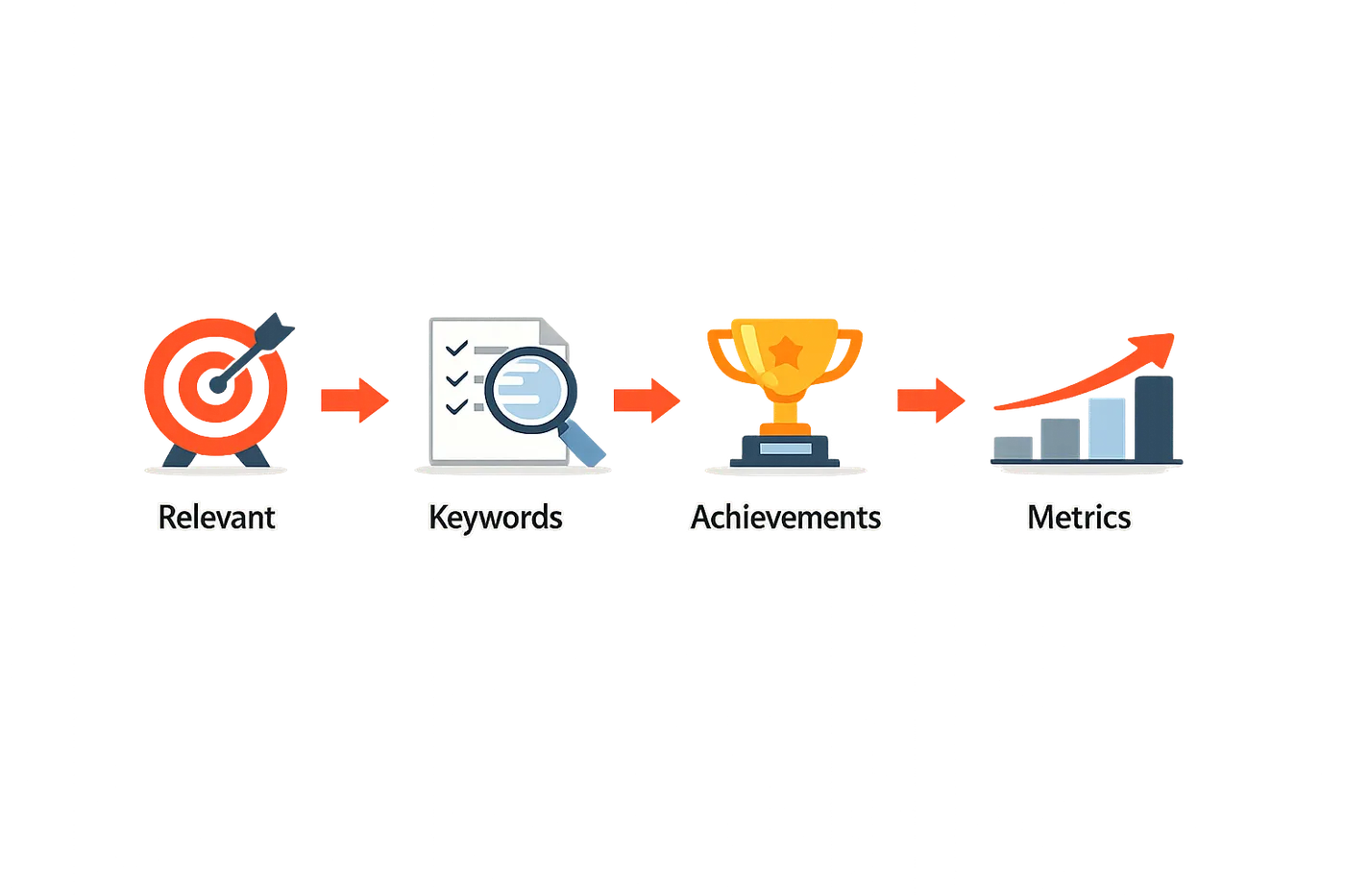
Once you've structured your resume skills section properly, a few insider practices can push your resume from the "maybe" pile into the interview queue. These aren't gimmicks — they're the small decisions that show you understand how hiring managers actually work.
Keep Your Skills Section Short and Honest
Long lists of competencies make hiring managers' eyes glaze over. I've seen resumes with fifteen-item skill lists where half the entries are filler. If you choose to include a resume skills section, limit it to hard skills that genuinely distinguish you: specific software, certifications, or technical proficiencies. Avoid subjective self-assessments like "strong written communication skills" or "works well independently and in groups" — people's self-assessments are wildly inaccurate, and these claims carry no weight.
Show, Don't Tell
Instead of listing a skill in isolation, demonstrate it through your accomplishments. Rather than writing "project management," describe how you managed a project and what it delivered. Frame skills in terms of results: "Led cross-functional team through six-month platform migration, reducing downtime by 40%" tells me far more than "leadership" ever could.
When you integrate keywords naturally into achievement statements, you satisfy both the ATS and the human reader. Don't force phrases like "hard-working" into awkward declarations — the work itself should make that clear. For practical examples of skills shown through results, see What an Honest Resume Score Looks Like.
Prioritize Recent and Relevant Experience
Your resume isn't a comprehensive job history; it's a marketing document. Focus on the last ten to fifteen years and the roles most relevant to the position you're applying for. If an old job doesn't strengthen your case, leave it off. Hiring managers care about what you can do now, not every entry-level role you held two decades ago.
Put Your Work Experience First
Don't bury your employment history under a wall of objectives, summaries, and skill lists. Work experience is what hiring managers care about most — it should be the first substantive section they see. If your resume skills section pushes your job titles to the bottom of page one or onto page two, you've lost the reader.
The strongest resumes make it effortless to see what you've done and where you've done it.
Conclusion
After 25 years screening resumes, I still see the same pattern: candidates list skills they think sound impressive, and hiring managers skim past them looking for proof. Resume skills sections aren't decoration — they're a filter that either gets you into the next round or sends your resume to the bottom of the pile.
The difference between a resume that works and one that doesn't comes down to three things: hard skills that match the job description, proof of those skills in your work history, and the discipline to leave out subjective claims that no hiring manager will believe. If you can demonstrate leadership through the team you built or the project you shipped, you don't need to write "leadership" in a list. If you can't demonstrate it, writing it down won't help.
Keep your resume skills section short, specific, and supported by what's in your experience bullets. Make it easy for the screener to see that you have the technical qualifications they're searching for, and let your accomplishments do the rest of the work. A tight, honest skills section paired with concrete results is what gets you the phone screen — and that's where the real conversation starts.
For more guidance on tailoring your resume to pass initial screening, see What the ATS Resume Checker Actually Checks in 2025.
Frequently asked questions
What should I include in a resume skills section?
Include hard skills that distinguish you for the role: specific software platforms, programming languages, certifications, or technical proficiencies. Omit generic tools everyone in your field uses (like Microsoft Word) and subjective traits (like "detail-oriented" or "team player"). If a skill matters, prove it in your work history with results.
How many skills should I list on my resume?
Keep your resume skills section to 6-10 relevant hard skills. A bloated list signals lack of focus. Hiring managers skim or skip long skill dumps entirely. Quality beats quantity — a tight set of distinguishing skills paired with proof in your work history wins interviews.
Should I put soft skills in my resume skills section?
No. Soft skills like "communication" or "leadership" belong in your accomplishments, not in a standalone list. Anyone can claim soft skills; hiring managers ignore them in a skills section. Instead, demonstrate them through results: "Led team of 8 through platform migration, reducing downtime 40%" proves leadership far better than listing the word.
Where should the skills section go on my resume?
Your resume skills section should never push work experience below the fold. Put your employment history first — it's what hiring managers care about most. If your skills section is short and relevant, it can go after your work history or in a sidebar. Never bury your job titles under a wall of skills, objectives, or summaries.

Written by
John Cronin
Published November 14, 2026 · 8 min read
John Cronin is a talent-acquisition leader with 25 years in recruiting, most recently as a Principal Technical Recruiter at Meta hiring machine-learning and AI engineers. He has been a founding recruiter at GoPro and Chipper Cash and led talent acquisition at Imgur. He writes about what recruiters actually do with your resume.
Want this kind of read on your résumé?
We'll tell you what's actually working, what's holding you back, and what to fix — in plain English.
Get My Job Match ScoreYou Might Also Like
More articles to help you advance your career