
Should You Include References on Your Resume?
 John Cronin
Introduction
Should you include references on resume submissions? No. After 25 years in technical recruiting, I can tell you with certainty: neither a reference list nor "references available upon request" belongs on your resume. Yet candidates keep adding them, convinced it shows preparedness or professionalism.
Every week, I see resumes that end with a list of references or the outdated line "references available upon request." The confusion is understandable. Job applications sometimes ask for references. Older resume templates include them. And the advice floating around LinkedIn is contradictory at best. But here's what actually happens in the hiring process: when I want your references, I ask for them directly. When I don't see them on your resume, I don't think you're unprepared — I think you understand how modern recruiting works.
This article walks through the practical reality of resume screening and ATS systems, why references don't belong on your resume, and what to do instead. You'll learn when references actually matter in the hiring timeline, how to prepare them properly, and what information deserves that space on your resume.
The short version: save your references for when they're requested, and use every line of your resume to prove you can do the job.
Should You Put References on Resume? The Core Problem
Candidates get conflicting advice about whether to include references on their resumes. Some templates still show a "References available upon request" line at the bottom. Others say to list names and contact information right on the page. The confusion is real, and it wastes space that could go to actual qualifications.
Why the Confusion Exists
The practice of listing references on a resume is a holdover from decades ago, when resumes were shorter and hiring moved more slowly. Today, resumes go through ATS systems that parse and score content, and every line counts. Candidates worry that leaving references off will make them look unprepared, or that including them will seem outdated.
Another layer of confusion comes from online application systems. Some platforms have a separate field for references, which makes candidates think the resume should include them too. It shouldn't. The application field is where references go, not the resume.
The Real Cost of Including References
When you put references on your resume, you're using space that should describe your own work. A resume is a marketing document for your skills and achievements, not a contact sheet. Every line should answer the question: what can this person do for us? A list of names and phone numbers doesn't answer that.
There's also a timing problem. If your resume goes to a dozen recruiters and hiring managers, your references could get calls before you're even interviewed. That's awkward for them and doesn't help you. References work best when they're contacted at the right stage, after you've had a chance to brief them on the role and the company.
Solution Steps
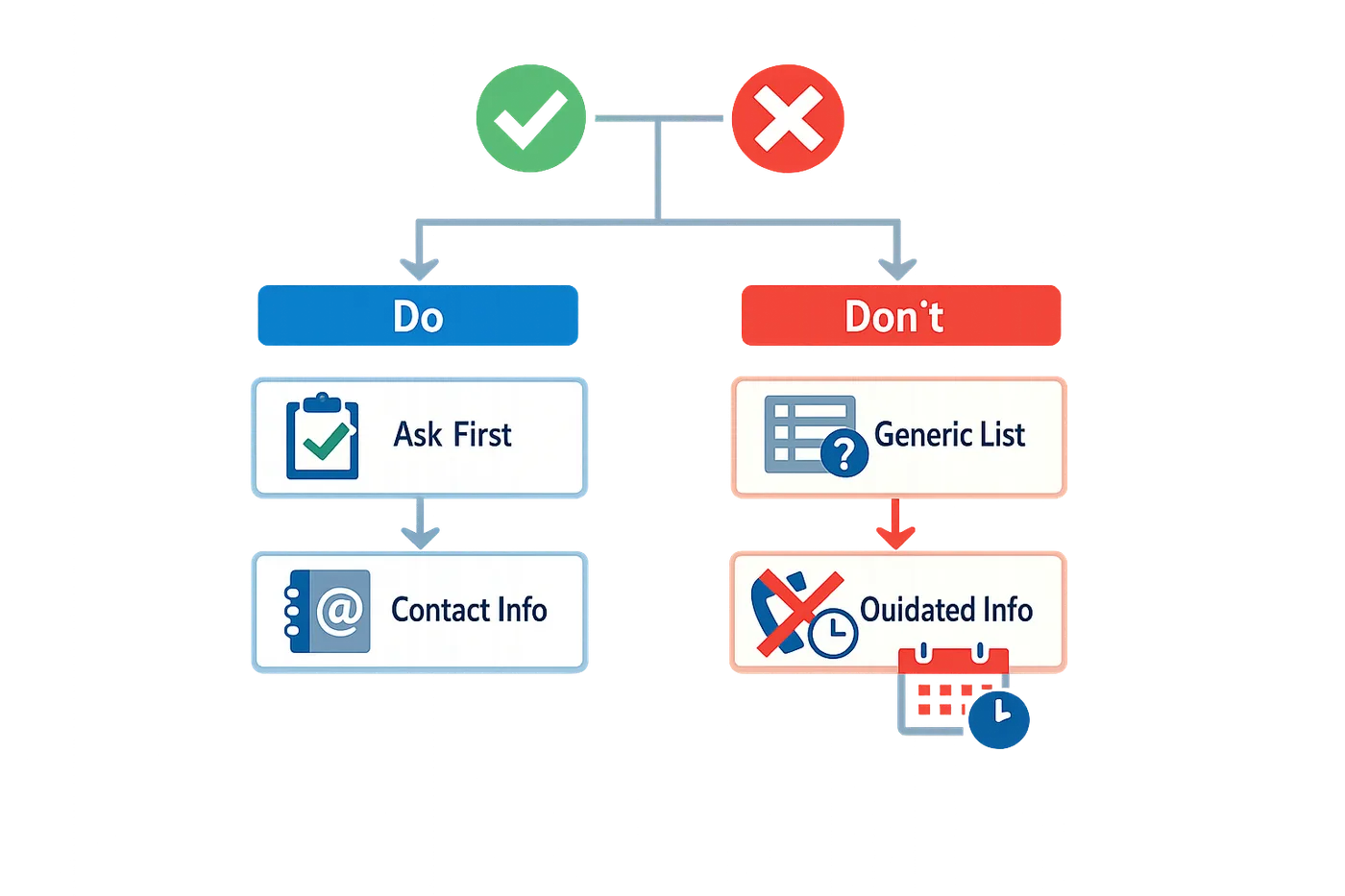
The short answer: don't put references on your resume. Here's the step-by-step approach that actually works in technical hiring.
Step 1
Leave references off your resume entirely
Your resume is for demonstrating skills, accomplishments, and fit for the role. References belong in a later stage of the process. Including them wastes valuable space and signals you don't understand hiring timelines. I've reviewed thousands of resumes — the ones that list references at the bottom never score higher for it, and they often lose room for a stronger project or achievement.
Step 2
Prepare a separate reference sheet
Create a clean document with three to five professional references. Include each person's name, title, company, relationship to you (e.g., "former manager at XYZ Corp"), phone number, and email. Format it to match your resume's header for consistency. Keep this file ready but don't send it unless asked.
Step 3
Wait until you're asked
Only offer references when the employer requests them. This typically happens when you're a serious finalist, often after final interviews. Providing them earlier doesn't speed up your candidacy — it just means your references might get contacted before you're ready to brief them. When you control the timing, you control the message.
When References Actually Matter
The phrase "references available upon request" is outdated and adds nothing. Recruiters already assume you have references. What matters is when you provide them and who you choose.
Choose references who can speak to recent work, ideally from the last two to three years. Former managers carry the most weight, followed by senior colleagues who directly observed your contributions. Avoid listing people who will give generic praise — specificity wins. A reference who can describe a particular project you led or a problem you solved is worth ten who say you're "great to work with."
Employers aren't limited to your list. They can reach out to anyone, and many do — especially when they spot a mutual connection on LinkedIn. If you've omitted a recent manager from your reference list, expect the hiring team to notice and possibly contact that person anyway. The only person typically considered off-limits is your current employer, and even then, recruiters sometimes ask for a future reference commitment.
For technical roles, consider including one peer reference alongside managers. Someone who worked with you on architecture decisions or code reviews can validate your technical depth in ways a manager can't. Just make sure they're articulate and willing to take a call during business hours.
If you're early in your career and lack multiple managers, professors or internship supervisors work. What you're demonstrating is that credible people will vouch for your work quality and reliability. The title matters less than the substance of what they can say.
One more thing: keep your reference list current. I've seen candidates lose offers because a reference's contact information was outdated or they'd moved to a competitor and couldn't speak freely. Update your sheet every six months, and confirm availability before you hand over it.
For more on how resume formatting affects ATS parsing, see our breakdown of what actually matters in automated screening. If you're wondering what ATS resume checkers actually evaluate, that guide covers the technical details.
Tips and Tricks
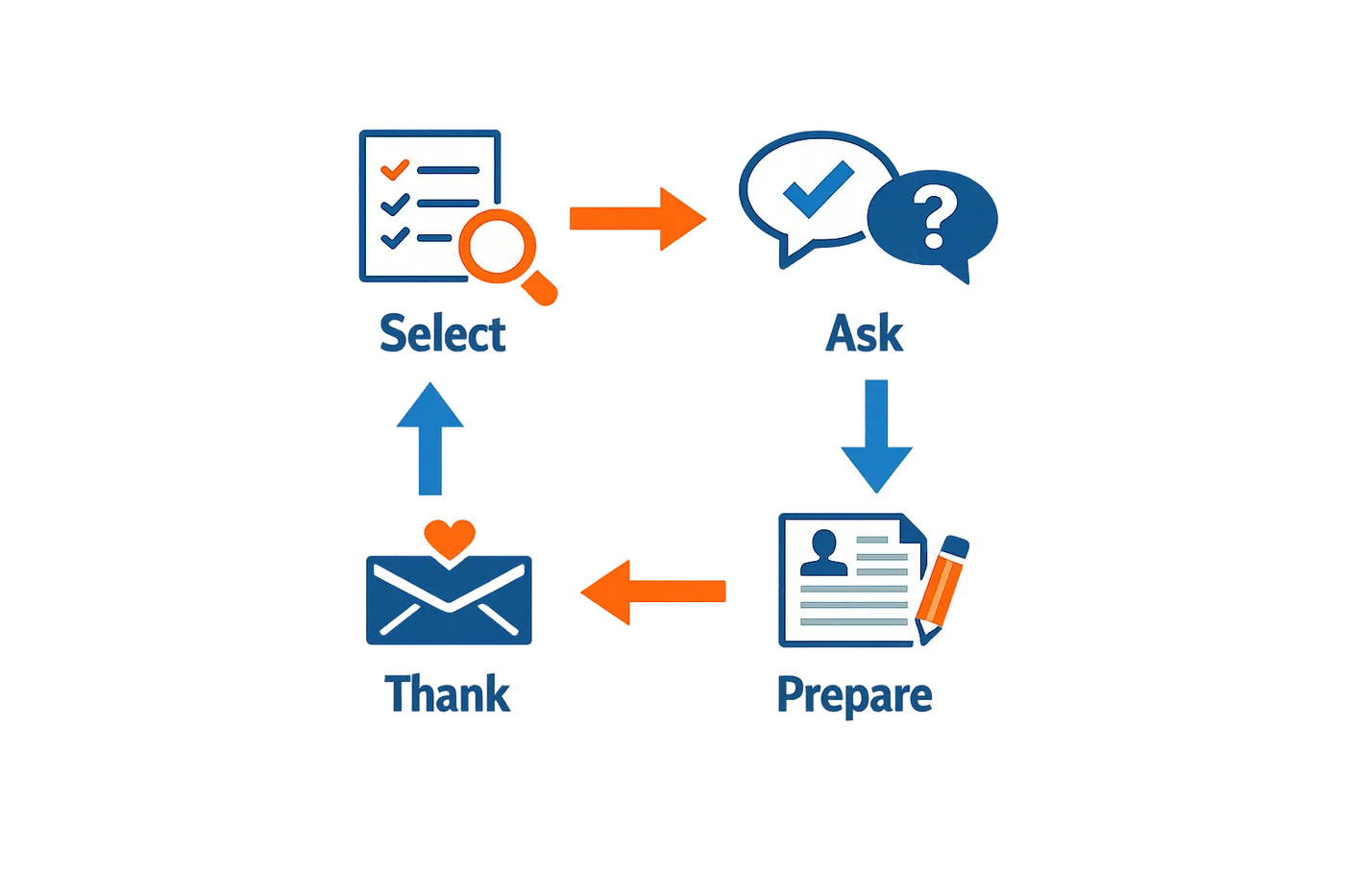
Handling references well is about control and preparation. The reference list you provide is just the starting point — hiring managers often reach beyond it. Your job is to make sure everyone who might get called is ready and that your resume itself stays clean.
Choose Your References Strategically
Your reference list should include people who will give specific, positive feedback about your work. Don't list someone just because they had a senior title or because you reported to them. List them because they saw you succeed and can describe it clearly.
Pick references who know different sides of your work. One manager who saw your technical execution, one peer who collaborated with you on a cross-functional project, one client or stakeholder who benefited from your work. This gives the hiring manager a fuller picture than three managers who all saw the same thing.
Prepare Your References Before Interviews Start
Don't wait until a company asks for references to brief your contacts. As soon as you're actively interviewing, send a short note to each reference:
- Remind them of the role and projects you worked on together
- Share the job description for the position you're pursuing
- Highlight 2–3 skills or accomplishments you'd like them to emphasize
- Confirm their preferred contact method and current phone number or email
This isn't coaching them to lie. It's giving them context so they can speak clearly and relevantly when the call comes. A prepared reference is a helpful reference.
Understand That Employers Go Off-List
Smart hiring managers don't limit themselves to your official reference list. They know those names were chosen because they're likely to say glowing things. They'll ask to speak with other managers from your past, or they'll reach out directly through LinkedIn or mutual contacts.
You can't control this, but you can prepare for it. Think about every manager you've worked with in the past five years. If any of them might give a lukewarm or negative reference, be ready to address it proactively in your interview. A short, factual explanation beats letting the hiring manager hear it cold from someone else.
The best reference strategy is leaving a trail of people who would vouch for you even if you never asked them to.
Keep Your Resume Focused on Your Work
Your resume has about 20 seconds to make an impression. Don't waste that time with a "References available upon request" line or a list of names at the bottom. Every line should demonstrate your qualifications, not state the obvious.
If you want to draw attention to key accomplishments that match the job posting, use bold formatting sparingly on 2–3 phrases per page. This helps the hiring manager's eye land on the most relevant points during that quick scan. Just don't overdo it — if everything is bold, nothing stands out.
For more on what hiring managers actually see when they review your resume, read what free ATS resume checkers actually measure.
Confirm Contact Information Is Current
A reference with an old phone number or a dead email address looks sloppy. Before you hand over your reference list, verify every contact detail. Send a quick message: "I'm listing you as a reference for [Company]. Is this still the best number to reach you?"
If a reference has changed jobs or roles since you worked together, update their title to reflect where they were when they managed or worked with you, not where they are now. The hiring manager needs to understand the context of your relationship, not your reference's current position.
Conclusion
The question of whether to include references on your resume has a straightforward answer: don't. They take up valuable real estate that should showcase your accomplishments, and employers will ask for them when they're ready to check them — typically after you've made it through multiple interview rounds and they're close to making an offer.
Over 25 years in technical recruiting, I've seen thousands of resumes. The ones that land interviews are the ones that use every line to demonstrate impact, not list contact information that won't be used until much later in the process. Save your references for when they matter: the final stage, when a hiring manager is ready to verify what you've told them.
Best Practices for Handling References
Keep a separate reference sheet ready with three to five professional contacts who can speak to your work. Alert them only when an employer specifically requests references — not every time you submit an application. This keeps your references engaged and prepared when it counts, rather than burning them out with premature calls.
Employers aren't limited to your list. They can contact anyone, including former managers you didn't list, or reach out through mutual connections. That's normal. Your job is to provide strong references who will reinforce the story you've told in interviews, and to give them context before the call happens.
If you're looking for more tactical advice on what actually matters in the hiring process, understanding how ATS systems evaluate your resume is a better use of your time than worrying about reference formatting. Focus on the content that gets you to the reference-checking stage in the first place.
The resume is your marketing document. References are your verification step. Keep them separate, keep them ready, and deploy them at the right moment.
Frequently asked questions
Should I include references on my resume?
No. References do not belong on your resume. Employers will request them separately when they're ready to check them, typically after you've completed interviews and they're close to making an offer. Using resume space for references wastes room that should showcase your accomplishments and skills.
Is "references available upon request" necessary on a resume?
No. This phrase is outdated and adds no value. Hiring managers already assume you have references. The line takes up space without demonstrating any qualifications or achievements. Leave it off entirely.
When should I provide references during the job search?
Provide references only when the employer specifically requests them, usually after final interviews when you're a serious candidate. This timing lets you brief your references on the role and company before they're contacted, making their recommendations more relevant and effective.
How many references should I prepare?
Prepare three to five professional references on a separate sheet. Include former managers, senior colleagues who directly observed your work, and for technical roles, one peer who can speak to your technical depth. Keep the list current and verify contact information before sharing it.
What if an employer contacts references not on my list?
Employers often reach out to managers or colleagues beyond your official list, especially through LinkedIn connections. You can't control this, but you can prepare by maintaining strong professional relationships and being ready to address any potential lukewarm references proactively during interviews.

Written by
John Cronin
Published November 8, 2026 · 9 min read
John Cronin is a talent-acquisition leader with 25 years in recruiting, most recently as a Principal Technical Recruiter at Meta hiring machine-learning and AI engineers. He has been a founding recruiter at GoPro and Chipper Cash and led talent acquisition at Imgur. He writes about what recruiters actually do with your resume.
Want this kind of read on your résumé?
We'll tell you what's actually working, what's holding you back, and what to fix — in plain English.
Get My Job Match ScoreYou Might Also Like
More articles to help you advance your career