



Medical Assistant Resume: The Ultimate Guide to Best Practices
Discover why a generic Medical Assistant Resume fails and learn the best practices to craft an effective, tailored resume that stands out.
 Emily Johnson
Introduction
You've spent months earning your certification, mastering EHR systems, and learning to take vitals with precision. You know you're qualified for that medical assistant opening. Yet your resume keeps disappearing into the void, and the callbacks never come. The problem isn't your skills—it's how you're presenting them.
A generic medical assistant resume simply won't work in today's competitive healthcare job market. With medical assistant jobs projected to grow by 12% annually between 2024 and 2034, you're competing against hundreds of applicants for every position. Hiring managers spend seconds scanning each resume, and automated systems filter out candidates before human eyes ever see the application. Your resume needs to do more than list duties—it must demonstrate impact, showcase relevant expertise, and speak directly to what each employer values most.
After reviewing thousands of resumes as a recruiter, I've seen talented medical assistants struggle because they relied on one-size-fits-all templates. The difference between candidates who land interviews and those who don't often comes down to tailoring. Understanding how ATS reads resumes is just the beginning—you need a strategy that highlights your strongest qualifications and differentiates you from the competition.
This guide walks you through exactly why generic resumes fail and how to craft a medical assistant resume that opens doors. You'll learn which elements hiring managers prioritize, how to optimize for applicant tracking systems, and what mistakes to avoid. Whether you're a recent graduate or an experienced MA seeking a new opportunity, these best practices will help you build a resume that reflects your true value.
Understanding the Medical Assistant Role

Medical assistants are the backbone of any healthcare practice, bridging clinical care and administrative operations. They work in physician offices, outpatient clinics, and specialty practices, performing a wide range of tasks that keep the medical office running smoothly. Understanding what the role truly entails is the first step to building a Medical Assistant Resume that resonates with hiring managers.
The position demands versatility. On the clinical side, medical assistants take vital signs, prepare patients for examinations, assist physicians during procedures, and handle basic laboratory tasks. On the administrative side, they schedule appointments, manage patient records, process insurance forms, and coordinate referrals. This dual responsibility means employers are looking for candidates who can seamlessly shift between patient care and office management.
Essential Skills Employers Seek
Mastering a combination of clinical, administrative, and soft skills is crucial for medical assistants to succeed in a fast-paced healthcare environment. Essential clinical skills include vital signs measurement, patient intake, phlebotomy, administering injections, and basic wound care. These technical competencies form the foundation of daily patient interactions and must be prominently featured on your resume.
Employers highly value candidates who can communicate effectively with patients and multitask in a busy medical office, making soft skills crucial. Empathy, attention to detail, time management, and the ability to remain calm under pressure are qualities that distinguish exceptional candidates from average ones. When you're crafting your resume, these interpersonal strengths deserve equal billing alongside your technical certifications.
Why Role Clarity Matters for Your Resume
When you understand the full scope of medical assistant responsibilities, you can tailor your resume to reflect exactly what practices need. A generic document that lists duties without context won't demonstrate your readiness for the specific challenges of the role. Instead, your resume should tell the story of how your clinical expertise and administrative efficiency make you the ideal candidate.
For additional guidance on structuring professional resumes that highlight transferable skills, explore our Account Manager Resume Template: The Ultimate Stress-Free Guide for cross-industry insights on presenting versatile competencies.
By grounding your Medical Assistant Resume in a clear understanding of what the role demands, you position yourself as a candidate who knows the job and is ready to excel from day one.
Common Pitfalls of Generic Resumes
A one-size-fits-all Medical Assistant Resume rarely makes it past the first screening. Generic resumes fail because they treat every medical assistant role as identical, ignoring the nuances that separate a pediatric clinic from a surgical center or a family practice from a specialty hospital. When your resume doesn't speak directly to the employer's needs, it gets lost in the pile—or worse, rejected by automated systems before a human ever sees it.
Why Generic Resumes Fall Short
The biggest mistake is listing responsibilities instead of accomplishments. Phrases like "assisted physicians" or "performed administrative tasks" tell the hiring manager nothing about your impact. Every medical assistant assists physicians; what matters is how you contributed. Did you streamline patient intake to reduce wait times? Did you maintain a perfect record of inventory accuracy? These specifics demonstrate value, while generic descriptions blend into the background.
Another common pitfall is failing to emphasize the dual nature of the medical assistant role. The position requires both clinical competence—taking vitals, preparing exam rooms, assisting with procedures—and administrative skill—scheduling, billing, electronic health records management. A generic resume often leans too heavily on one side, missing the opportunity to showcase the full scope of your capabilities. Employers need to see that you can pivot seamlessly between patient care and office operations.
The Cost of Ignoring Customization
When you submit the same resume to every job posting, you signal that you haven't invested time in understanding what makes each opportunity unique. A hospital system looking for someone with EHR certification and phlebotomy experience won't be impressed by a resume that buries those qualifications under vague bullet points. Similarly, a dermatology practice seeking front-office expertise won't dig through clinical jargon to find your scheduling skills.
Tailoring your resume isn't about rewriting it from scratch each time—it's about strategically highlighting the skills and experiences that align with the specific role. For guidance on how other professionals approach this challenge, see our Account Manager Resume Template: The Ultimate Stress-Free Guide for transferable strategies on customization.
Your resume should emphasize your clinical training, administrative skills, and ability to support both doctors and patients.
Generic resumes also tend to overlook the importance of formatting and readability. Dense paragraphs, inconsistent fonts, or cluttered layouts make it harder for recruiters to quickly assess your qualifications. In a field where attention to detail is critical, a poorly formatted resume raises red flags about your organizational skills. Clean structure, strategic use of white space, and clear section headers aren't just aesthetic choices—they're professional signals that you understand how to present information effectively.
Crafting an Effective Medical Assistant Resume
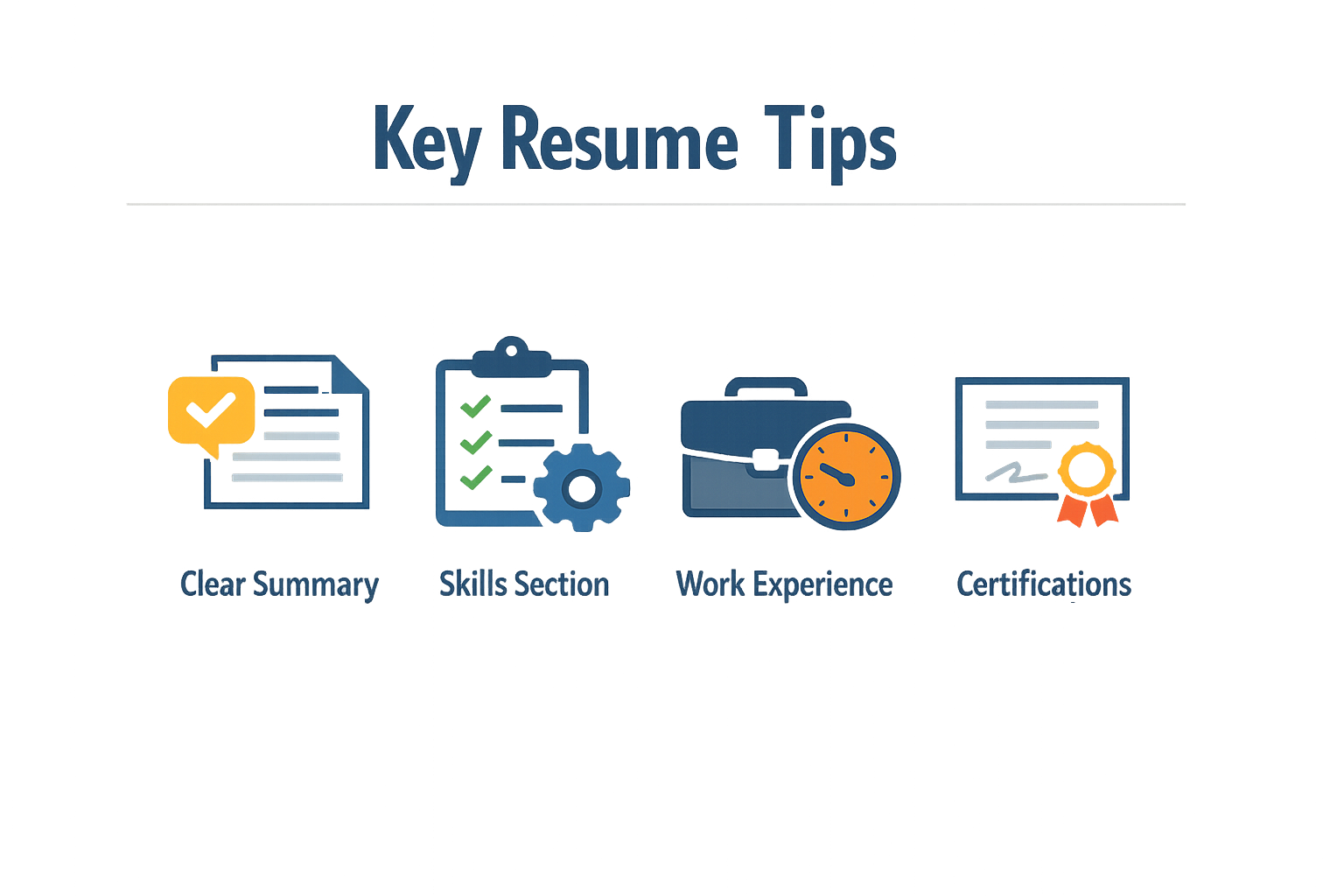
Building a standout resume requires more than listing your job history and hoping for the best. An effective medical assistant resume is a strategic document that highlights your strongest qualifications and demonstrates exactly how you meet the employer's needs. The goal is to differentiate yourself from dozens of other candidates who may have similar certifications and experience.
The key is shifting from a generic template to a tailored, accomplishment-driven approach. This means focusing on what you've achieved in your clinical roles rather than simply describing duties. When you frame your experience around measurable outcomes and specific contributions, hiring managers can immediately see the value you bring to their practice or facility.
Breaking Down the Medical Assistant Resume Framework
Creating a compelling resume follows a clear structure. Start with a targeted resume objective that speaks directly to the position you're applying for. This opening statement should immediately connect your background to the employer's specific needs, whether that's expertise in pediatric care, proficiency with electronic health records, or experience managing high-volume patient schedules.
Next, showcase your relevant skills with precision. Rather than listing every clinical procedure you've ever performed, prioritize the competencies that align with the job description. If the role emphasizes phlebotomy and EKG administration, those skills deserve prominent placement. If the practice uses Epic or Cerner, mention your proficiency with those systems by name.
Step 1
Write an achievement-focused experience section
Transform your work history from a list of responsibilities into a narrative of impact. Instead of "Assisted physicians with patient examinations," try "Supported 15+ patient appointments daily by preparing exam rooms, collecting vital signs, and documenting medical histories, reducing physician wait time by 20%." Numbers and outcomes make your contributions tangible and memorable.
Step 2
Format for ATS compatibility
Ensure your resume passes automated screening by using standard section headings, avoiding graphics or tables that confuse parsing software, and incorporating keywords from the job posting naturally throughout your document. A beautifully designed resume means nothing if it never reaches human eyes.
Step 3
Tailor to each job description
Customize your resume for every application by adjusting your objective, reordering skills to match the employer's priorities, and emphasizing the experience most relevant to that specific role. This extra effort signals genuine interest and attention to detail—qualities every healthcare employer values.
For additional guidance on structuring professional documents that pass automated filters, see our guide on How ATS Reads Resumes: The Ultimate Guide to Surprising Success.
Essential Sections Every Medical Assistant Resume Needs
Your resume must include four foundational components: contact information, certifications, clinical skills, and professional experience. Contact details should be current and professional—use a simple email address and a voicemail greeting that sounds polished. Certifications belong near the top of your resume since credentials like CMA, RMA, or CCMA are often non-negotiable requirements.
The clinical skills section is your opportunity to showcase technical competencies that set you apart. Group related abilities together: administrative skills like insurance verification and appointment scheduling, clinical procedures like injections and wound care, and technical proficiencies with specific EHR platforms or medical equipment. This organization makes it easy for hiring managers to quickly assess your capabilities.
Professional experience should follow a reverse-chronological format, starting with your most recent position. For each role, include your job title, employer name, location, and dates of employment. Then use bullet points to describe your achievements and responsibilities, always leading with your strongest accomplishments. If you received recognition, improved a process, or took on additional responsibilities, those details belong here.
Key Elements to Include
A strong medical assistant resume showcases both your clinical expertise and administrative capabilities. Hiring managers look for candidates who can handle patient care while managing the operational side of a medical practice. The key is demonstrating that you possess the full spectrum of skills required for the role.
Your resume should highlight clinical competencies front and center. Include specific skills like vital signs measurement, patient intake procedures, phlebotomy, administering injections, and basic wound care. These hands-on abilities prove you can deliver quality patient care from day one.
Administrative Skills That Matter
Don't overlook the administrative side of the role. Medical assistants often serve as the bridge between patients and providers, which means your organizational skills are just as important as your clinical training. Feature capabilities like customer service, appointment scheduling, electronic health record (EHR) management, and insurance verification prominently on your resume.
Certifications deserve their own spotlight. Whether you hold a Certified Medical Assistant (CMA), Registered Medical Assistant (RMA), or specialty certifications in phlebotomy or EKG, place these credentials near the top of your resume. Active certifications signal professionalism and commitment to the field.
Quantifiable Achievements
Numbers tell a compelling story. Instead of simply stating "managed patient intake," specify "processed intake for 30+ patients daily" or "reduced appointment scheduling errors by implementing a new verification system." Concrete metrics help hiring managers visualize your impact in previous roles.
Your education section should include your medical assistant training program, any relevant coursework, and graduation dates. If you completed clinical rotations in specialized areas like pediatrics or cardiology, mention those experiences—they demonstrate exposure to different patient populations and medical settings.
Soft skills matter more than many candidates realize. Communication, empathy, attention to detail, and the ability to work under pressure are essential in healthcare environments. Weave these qualities into your experience descriptions rather than listing them generically. For example, "Maintained calm demeanor while triaging patients during high-volume flu season" shows stress management in action.
If you're exploring resume strategies for other roles, the Account Manager Resume Template: The Ultimate Stress-Free Guide offers additional insights on structuring professional experience effectively.
Optimizing Your Resume for ATS
Applicant Tracking Systems filter the majority of resumes before a recruiter ever sees them. As many as 75% of resumes never reach a human recruiter due to these automated gatekeepers. For medical assistant positions—where competition is fierce and job growth is projected at 12% annually through 2034—making your resume ATS-friendly is not optional.
ATS software scans resumes for keywords, formatting compatibility, and structural clarity. A beautifully designed resume with graphics, tables, or unconventional fonts may look impressive to you but appear as gibberish to the system. Understanding how ATS reads and ranks resumes is the first step to ensuring yours makes it through.
Use Standard Section Headings
ATS algorithms look for common section labels to categorize your information. Stick with conventional headings like "Work Experience," "Education," "Skills," and "Certifications." Creative alternatives like "My Journey" or "What I Bring to the Table" confuse the software and may cause it to skip entire sections of your resume.
Consistency matters. If you label one section "Professional Experience," don't switch to "Employment History" later. The system may not recognize them as the same category, fragmenting your work history in its database.
Incorporate Relevant Keywords Naturally
ATS ranks resumes based on keyword matches pulled directly from the job description. For a medical assistant role, this typically includes clinical skills (phlebotomy, EKG, vital signs), administrative competencies (scheduling, medical billing, EMR systems), and certifications (CMA, RMA, BLS).
Read the job posting carefully and mirror its language. If the employer asks for "electronic health records experience," use that exact phrase rather than "EHR proficiency" alone. However, avoid keyword stuffing—listing skills in a block without context. Instead, weave them into your work experience bullets where you demonstrate how you applied those skills.
Simplify Formatting for Machine Readability
Complex formatting breaks ATS parsers. Avoid text boxes, headers and footers, columns, tables, and images. Use standard bullet points (solid circles or hyphens) rather than custom icons. Stick to widely supported fonts like Arial, Calibri, or Times New Roman in 10–12 point size.
Don't use special characters or symbols to separate sections. A simple line break or bold heading is sufficient. If you want to emphasize a certification or achievement, use bold text sparingly—but never underline, italicize excessively, or change font colors.
Tailor File Names and Metadata
Before uploading, rename your file to something professional and descriptive: "FirstName_LastName_Medical_Assistant_Resume.docx." Generic names like "Resume.docx" get lost in hiring managers' download folders and offer no context if the file is separated from your application.
Some ATS platforms also read document metadata. Ensure your file properties don't contain outdated information or previous employers' names if you're reusing a template.
Test Your Resume Through an ATS Simulator
Several free tools allow you to upload your resume and see how an ATS interprets it. These simulators highlight parsing errors, missing keywords, and formatting issues. Running this test before applying gives you a chance to fix problems that would otherwise disqualify you automatically.
For a deeper understanding of how these systems evaluate resumes, How ATS Reads Resumes: The Ultimate Guide to Surprising Success offers detailed insights into the scanning process and ranking criteria.
Prioritize Substance Over Style
ATS optimization doesn't mean sacrificing quality. A resume that passes the software but lacks substance won't impress the recruiter who eventually reviews it. Focus on clear, results-oriented language that demonstrates your impact in previous roles. Quantify achievements where possible—"Managed scheduling for 40+ patients daily" is stronger than "Handled patient scheduling."
The goal is to create a resume that satisfies both the machine and the human reader. Clean formatting, strategic keyword placement, and substantive content achieve that balance.
Tailoring Your Resume to Job Descriptions
Every medical assistant job posting is different, even when the titles look identical. One clinic might prioritize phlebotomy skills, while another emphasizes administrative tasks like scheduling and insurance verification. A generic resume treats all these positions the same—and that's exactly why it gets overlooked. Tailoring your resume means reading the job description carefully and reshaping your document to mirror the employer's priorities.
Match Your Skills to the Job Requirements
Start by highlighting the skills and experiences that directly align with what the employer is asking for. If the posting emphasizes "proficiency in EHR systems" and you have experience with Epic or Cerner, make sure that appears prominently in your skills section and work history. If they want someone who can handle patient triage, feature your clinical assessment experience front and center. The goal is to make the hiring manager see an immediate match between their needs and your qualifications.
Customize Your Resume Summary for Each Application
Your resume summary is prime real estate—it's often the first thing a recruiter reads. Instead of using the same generic summary for every job, rewrite it to reflect the specific role. If you're applying to a pediatric clinic, mention your experience working with children. If the job focuses on administrative duties, lead with your scheduling and billing expertise. Quantifying your achievements in this section makes an even stronger impression: "Managed patient scheduling for a 15-provider practice" is more compelling than "Handled scheduling tasks."
This approach ensures that your resume speaks directly to what the employer values most, making it clear you didn't just blast out the same document to fifty different clinics. For additional guidance on structuring effective resumes across different roles, check out our Account Manager Resume Template: The Ultimate Stress-Free Guide.
Reflect the Job Description Language
Many employers use specific terminology in their postings, and echoing that language helps your resume resonate with both ATS systems and human readers. If the job description mentions "patient intake procedures," use that exact phrase rather than "patient registration." If they ask for "vital signs monitoring," don't substitute it with "clinical assessments" unless you're also including the exact term they used. This isn't about keyword stuffing—it's about demonstrating that you understand the role as they've defined it.
Tailoring your resume isn't extra work—it's the difference between looking like a possibility and looking like the right fit.
Final Tips for a Successful Resume
Before you hit send on that application, a few strategic finishing touches can elevate your Medical Assistant Resume from solid to standout. These final checks ensure your document is polished, professional, and ready to make a strong first impression.
Quantify Your Achievements Wherever Possible
Numbers speak louder than vague descriptions. Instead of stating you "improved patient flow," specify that you "reduced patient wait times by 20% through streamlined intake procedures." Quantifiable achievements demonstrate measurable impact and give hiring managers concrete proof of your capabilities. If you maintained high patient satisfaction scores or processed a specific volume of insurance claims monthly, include those metrics.
Proofread Multiple Times
Typos and grammatical errors undermine your professionalism instantly. Read your resume aloud to catch awkward phrasing. Use spell-check, but don't rely on it exclusively—it won't catch "form" when you meant "from." Consider asking a trusted colleague or friend to review it with fresh eyes. A single error in your contact information or a clinical term can cost you the interview.
Keep Formatting Clean and Consistent
Consistency matters. If you bold one job title, bold them all. If you use bullet points in one section, maintain that format throughout. Stick to one or two professional fonts, keep margins balanced, and ensure adequate white space so the document doesn't feel cramped. Your resume should be easy to scan in under 30 seconds.
An accomplishment-driven resume that highlights your strongest qualifications differentiates you from the competition.
Save in the Right Format
Unless the job posting specifies otherwise, save your resume as a PDF to preserve formatting across different devices and operating systems. Name the file professionally: "FirstName_LastName_Medical_Assistant_Resume.pdf" makes it easy for hiring managers to locate your document later.
Review One More Time Before Submission
Do a final check against the job description. Have you addressed the key requirements? Does your resume tell a cohesive story about your qualifications? Is your contact information current and professional? This last review ensures nothing critical slips through. For additional insights on optimizing your application materials, explore our guide on How ATS Reads Resumes: The Ultimate Guide to Surprising Success.
Taking these extra steps signals attention to detail—a trait every medical facility values in their clinical staff.
What to Avoid in Your Resume
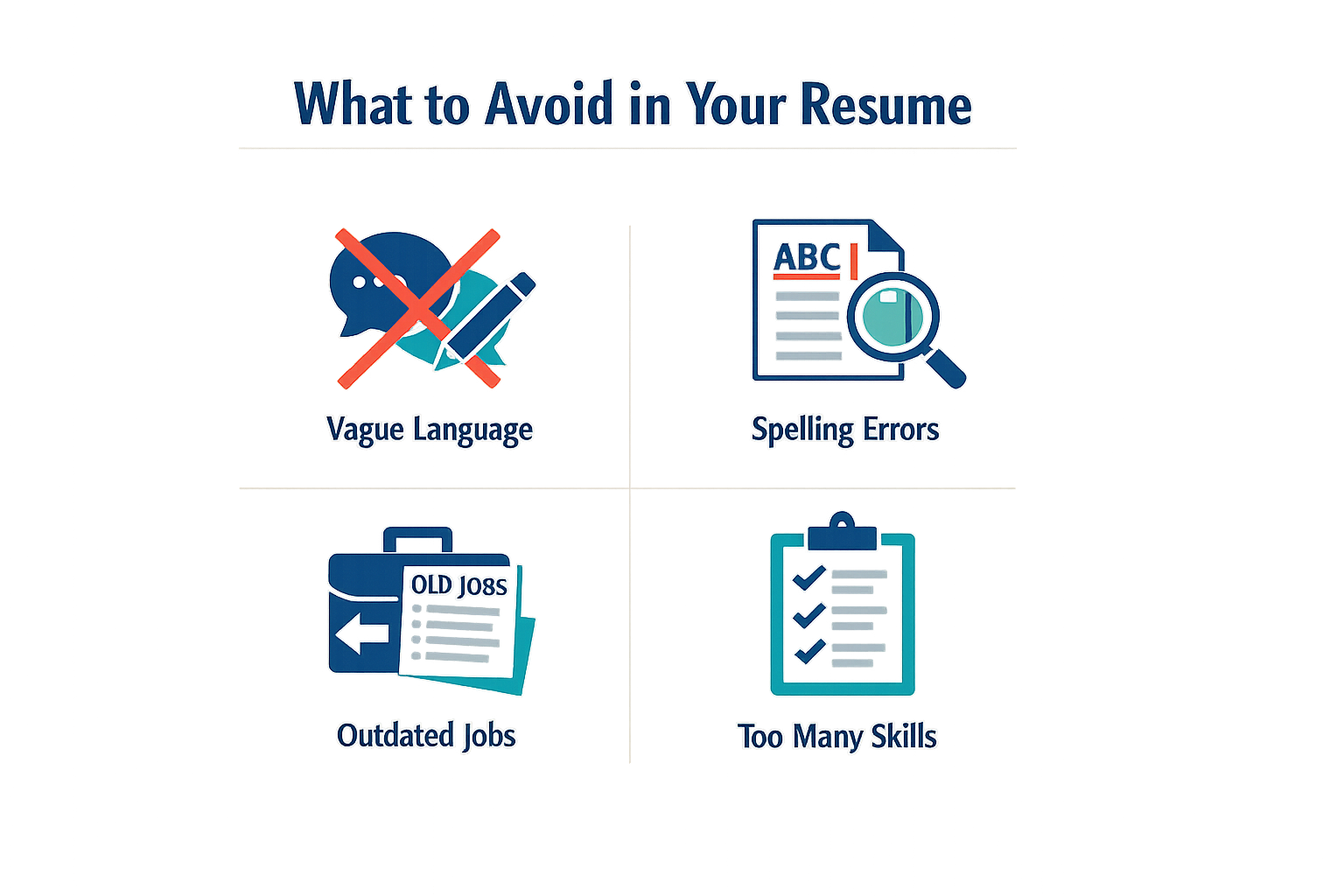
Knowing what not to include in your medical assistant resume is just as important as knowing what to include. Common mistakes can undermine even the strongest qualifications, causing your application to be overlooked by hiring managers or filtered out by ATS software. By avoiding these pitfalls, you protect your chances of landing an interview.
Generic, One-Size-Fits-All Content
The biggest mistake you can make is submitting a generic resume that looks identical for every application. A tailored medical assistant resume demonstrates that you've taken the time to understand the specific role and employer. Generic resumes fail to highlight the skills and experiences most relevant to each position, making it easy for recruiters to pass you over in favor of candidates who clearly align with their needs.
Excessive Length and Irrelevant Details
Keeping your resume concise is essential. For those with under ten years of experience, a one-page resume is recommended. Including irrelevant work history, outdated skills, or unrelated hobbies dilutes the impact of your strongest qualifications. Every line should serve a purpose and reinforce your suitability for the medical assistant role.
Avoid listing every job you've ever held. Focus on positions and accomplishments that demonstrate clinical skills, patient care experience, and administrative competencies relevant to medical assisting. If a previous role has no connection to healthcare or transferable skills, consider leaving it off entirely.
Spelling and Grammar Errors
Typos, misspellings, and grammatical mistakes signal a lack of attention to detail — a critical quality in healthcare settings. Even a single error can cause a recruiter to question your professionalism and competence. Proofread your resume multiple times, use spell-check tools, and consider asking a trusted colleague or friend to review it before submission.
Unexplained Employment Gaps
While employment gaps are common and often unavoidable, leaving them unaddressed can raise red flags. If you took time off for education, caregiving, or personal reasons, briefly acknowledge it in your cover letter or with a short note in your resume. Transparency reassures employers and prevents them from making negative assumptions.
Overuse of Buzzwords and Clichés
Phrases like "team player," "hard worker," and "go-getter" are overused and vague. Instead of relying on buzzwords, demonstrate these qualities through specific examples and measurable achievements. Show how you contributed to patient satisfaction, streamlined administrative processes, or supported clinical teams with concrete results.
For more guidance on avoiding common resume mistakes across industries, see our Account Manager Resume Template: The Ultimate Stress-Free Guide.
Unprofessional Email Addresses or Contact Information
Your contact information should reflect professionalism. Avoid using outdated or informal email addresses. A simple format like firstname.lastname@email.com is ideal. Double-check that your phone number and email are current and that your voicemail greeting is professional.
Listing Duties Instead of Achievements
Simply listing job duties tells recruiters what you were responsible for, not what you accomplished. Shift your focus to achievements that demonstrate impact. Instead of "Assisted with patient intake," write "Managed patient intake for a high-volume clinic, reducing wait times and improving patient flow." This approach highlights your value and differentiates you from other candidates.
Conclusion
A generic Medical Assistant Resume is a missed opportunity in one of healthcare's fastest-growing fields. With medical assistant jobs projected to grow by 12% annually through 2034, competition for the best positions is intensifying. The difference between landing an interview and being overlooked often comes down to how well your resume speaks to the specific needs of each employer.
Throughout this guide, we've covered why tailored resumes outperform generic templates, how to optimize for ATS systems, and which elements hiring managers prioritize most. The core principle remains simple: your resume must demonstrate that you understand the role, the facility's needs, and how your skills align with their priorities. Every bullet point should serve a purpose, every certification should be current, and every skill should match the language in the job description.
In my years reviewing resumes as a recruiter, I've seen countless candidates with strong clinical skills get passed over because their resumes failed to communicate their value clearly. The good news? Once you understand the framework for tailoring your resume, the process becomes straightforward and repeatable.
Take the strategies outlined here and apply them to your next application. Review your current resume against the checklist in this guide, identify gaps, and make targeted improvements. If you're exploring other healthcare or administrative roles, the same principles apply—check out our Account Manager Resume Template: The Ultimate Stress-Free Guide for additional insights on crafting compelling professional documents.
Your next career move starts with a resume that works as hard as you do. Make it count.
Related reading
ATS Résumé Format: What Recruiters Actually Look For
What Is an ATS-Friendly Resume? A Definition for Job Seekers
Related reading
HR Coordinator Resume: The Ultimate Guide to Best Practices
Paralegal Resume: The Ultimate Guide to Best Practices
Resume Formatting: 9 Essential Best Practices for ATS Success

Written by
Emily Johnson
Published September 2, 2026 · 21 min read
Emily Johnson is a seasoned career strategist with over a decade of experience in recruitment and talent acquisition. With a background in human resources, she excels at helping professionals refine their job search strategies, from crafting compelling resumes to mastering interview techniques. As an expert in Applicant Tracking Systems (ATS), Emily is dedicated to guiding individuals toward their dream careers.
Want this kind of read on your résumé?
We'll tell you what's actually working, what's holding you back, and what to fix — in plain English.
Get My Job Match ScoreYou Might Also Like
More articles to help you advance your career

ATS Meaning Resume: Understanding ATS and What Applicant Tracking
Learn what ATS meaning resume entails and how Applicant Tracking Systems work in 2026 to streamline your hiring process and recruitment workflows.

Honest Résumé Score Example: What It Looks Like and How to Improve
Learn what an honest résumé score looks like with this real walkthrough. See actual examples and discover how to improve your résumé evaluation results with an honest

Why a Generic Cybersecurity Resume Won't Work and What Will
Discover why a generic cybersecurity resume won't cut it and learn how to tailor your application for success in the tech industry.

Free ATS Resume Checker: What's Useful and What's Not
Discover what Free ATS Resume Checker tools can and can't do. Learn which features actually help optimize your resume for applicant tracking systems.